“If the brain does not work, the rest does not matter” –

Professor Alfred K. Njamnshi, founder of Brain Research Africa Initiative
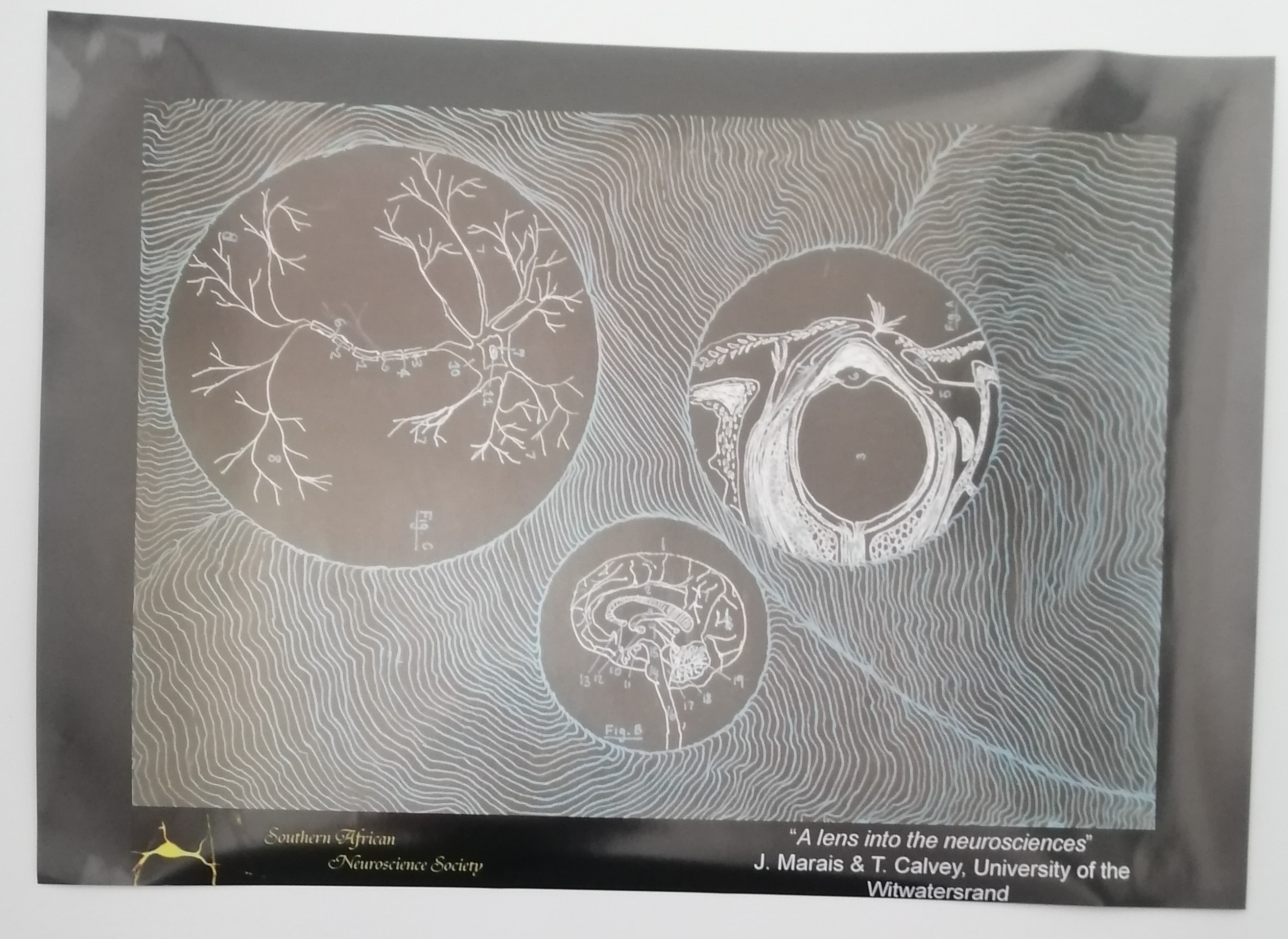
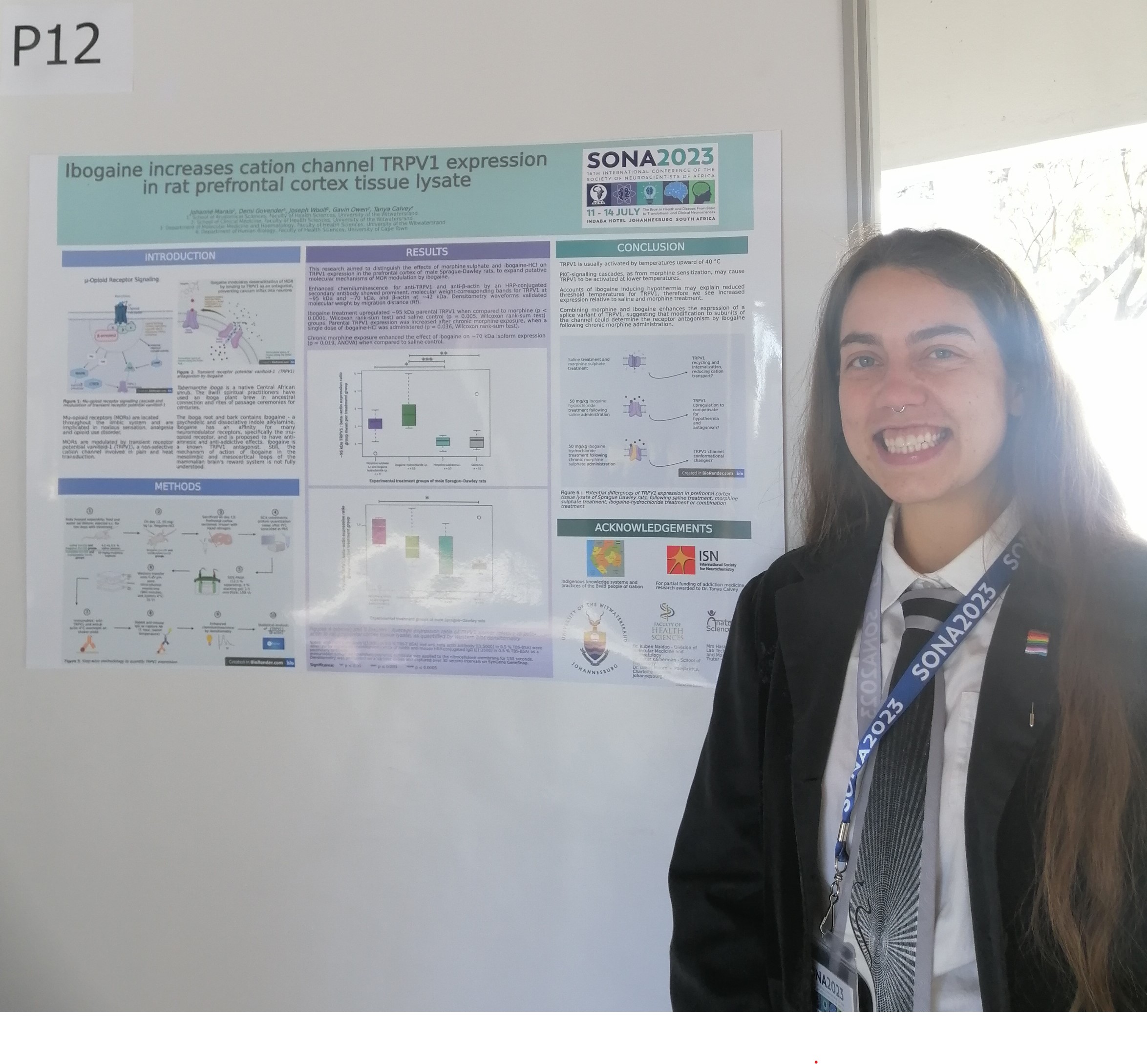
During a daily email scan on some day in May, I read that my research project had been accepted for a poster presentation at a conference I had applied to. Imagine that! For specialists, early career researchers, graduate students, and established professors alike, conferences offer an opportunity to touch base with current prospects (and persons) of a particular field.

Many anticipatory weeks and several hours of design later, I made my way to the venue – printed poster proudly in hand. Being socially anxious yet outspoken and opinionated (read: awkward), I felt a little uneasy about how the week would play out. Most of this was settled when I met a Twitter™ friend, Arish. We sat in the sun, exchanging warm parcels of chit-chat some hours before the first plenary speaker, Prof. Njamnshi, officially opened the conference.
My recounting of the conference is cherished in journal pages and short-hand notes. I could probably write a Master’s thesis on my experience. Though, in the absence of 150 pages available for my storytelling, I will offer you the abstract:

Introduction: Some 30-odd years ago, in Kenya’s city of Nairobi, the Society of Neuroscientists of Africa was registered. What began as a handful of African neuroscientists coming together to amplify African neuroscientific research has now grown so vastly that nearly 300 keen delegates are affiliated members of the society. Some of these delegates from 19 African countries – and 34 countries worldwide – congregated at the 16th Biennial International Conference of the Society of Neuroscientists of Africa (SONA), held in Johannesburg in the middle of July.

Aims: According to the society’s webpage, SONA aims “to promote research, teaching and advocacy in neuroscience in Africa…”. I arrived at the conference with my own aims, though. I intended to remain humble but secure in my knowledge basis, while being receptive to learning new topics unfamiliar to me. I sought to meet and engage with as many neuroscience enthusiasts from the continent as what my social capacity would permit, to begin forming my own “neural network” for collaborations and research support.

Methodologies: An array of symposia, workshops, poster presentations and communal meals gave attendees the opportunity to ask questions, share their work, rub shoulders with giants and shake hands with mentors and friends. The theme, “The Brain in Health and Disease: From Basic to Translational and Clinical Neurosciences”, stimulated provocative and challenging conversations across the multidisciplinary niches. Notebooks embellished with SONA aesthetics sat back-to-back with a printed program in each person’s complimentary tote bag, so that they could plan their preferences over the four days.

Results: From cell culture to measuring protein expression; patient-facing clinical research to data sharing… Neurosciences are diverse and expansive! The underlying message which unified all the sessions was the importance of shifting focus to research that was locally relevant but internationally applicable. Formal neuroscientific teaching now spans 70 % of the 54 African countries, and there was a conference-wide encouragement for teaching centres to continue boasting investigations by Africans, for Africans.

A broad contribution was made by researchers studying neurodegenerative diseases like Alzheimer’s; similarly, by those who work at the intersection of neurosciences and the immune system. Some important buzz terms that permeated the air were “neurodiplomacy”, “FAIR (findable, accessible, interoperable and reusable) brain data” and “neuroethics”.

Conclusion: As a postgraduate researcher, I have days where I feel in limbo: neither entirely a student nor a staff member. At the SONA conference, this felt different. Most people were less phased by using titles or the accolades that follow their name than they were about actively engaging with other attendees. By the final day, I was so diversely besotted with the neurosciences (and the neuroscientists) of the continent that the thought of following just one path to the future was entirely unsatisfying.

In the absence of clarity for the “what” question of research, I found myself re-establishing my answers to how; why and where. As Prof. Njamnshi implored, good science comes not from publishing papers but rather from having strong vision, acting on accomplishable goals, living with passion and creating a purpose. The aims of SONA – and my own – had been surpassed.  

Sleeping more and moving less? Thank the suprachiasmatic nucleus!

The winter solstice rolls us into the second half of the solar year. Trees surrender their fiery leaves to frozen dewdrops on bare branches. Shorter periods of daylight and longer portions of night lure thick socks and hot water bottles out from a deep drawer of winter clothes. Hearty stews simmer and fires frequently flicker as the season shifts. Animals seek warmth and reprieve from the cold by “… migration, hibernation and resistance (tolerance)”. For many humans, winter may burgeon these types of adaptations too, encouraging changes to our appetite, our exercise patterns, even our sleep and wakeful behaviours! Unpacking the physiology of this can help us be kinder to our bodies and minds for embracing our inner polar bears during winter months. So, allow me another moment of sleep science nerdery…

An intrinsic, 24-hour, regulatory system is present in each of our bodies. The system is called the circadian rhythm; internal oscillations that cycle around a biological clock. Some molecular mechanisms of the biological clock are retained across plant and animal kingdoms – from the most primitive single-cell organisms like cyanobacteria to human beings. In mammals, the circadian rhythmicity is observed in fluctuations of hormones, sleep-wake cycles and even periods of optimal cognitive functioning. Genetic variables of circadian rhythms are by no means conserved across species, and especially not within the same species.

Your 24-hour structure may differ from your housemate, sibling, or colleague by up to eight hours. This depends on microenvironments within and macroenvironments around the body. For example, your sibling, a shift worker who drives shipment trucks across the country, might wake up at two o’clock in the morning to arrive at their destination by four o’clock that afternoon. Their bedtime may be 6pm. At this time, a night nurse who clocked in at Rahima Moosa moments earlier may be enjoying his equivalent of a “morning coffee” and prepares to work through the night. How can this vary so vastly (and manageably) from person to person?

In brief, the answer is light and chemistry!

The circadian rhythm’s master-regulatory site is called the suprachiasmatic nucleus – a cluster of thousands of neuronal cells in the brain, situated on top of the optic chiasm. The suprachiasmatic nucleus (SCN) is receptive to photic stimulation (think: packages of light called photons sent via the visual system) and chemical (or, neurotransmitter) stimulation. The SCN’s sensitivity to light means that timely exposure to or limitation of daylight can shift the phase of our circadian rhythms; we can feel a desire to sleep earlier and wake up later, like with shift workers.

This is happening across the world as seasons change: a phase shift of circadian rhythm aligning with Earth’s orbital cycles and environmental cues. During winter, the sun sets about 90 minutes earlier than it would in warmer months – it may be a challenge to stay awake until your 11pm summer-bedtime. Similarly, the 5am Club may lose a few committed members (not mentioning any names erhuurhm @me) between May and August. Frankly, if the Sun can go to sleep earlier, so can I! This is an expected adaptation; a sign of your body adjusting well to its circumstance. No big deal!

It is also common for emotional affect to change in winter. Ever heard of Seasonal Affective Disorder? It’s basically the SADs that often come with less sunlight exposure. Our mental health is a huge determinant of our sleep-wake behaviours, too. People who live with a psychiatric illness (or even symptoms of one) are considerably more likely to experience coincident insomnia – up to 90% coincidence! This relationship, though, is no coincidence. Several molecular messengers involved in sleep, wakefulness, appetite control, and mood regulation are in the same class of neurotransmitters called monoaminergic neurotransmitters.

Just as animals do, humans may migrate smaller distances in winter: like, no further than to the snack stash and back. So, maybe we gather a little more belly fat. We don’t have that spring (haha, get it?) in our step. We want to sleep in… Guess what? Colder times of the year welcome a series of natural and protective evolutionary traits to be expressed and experienced. Sometimes that feels like seven extra centimetres between your skin and your belt buckle or admitting you simply must rest for 12 hours every day. Just as we do not look up at leafless trees nor look down at frost on the grass with judgement, there should be no shame around the physical, psychological, or physiological changes that come from seasons changing. If you’re sleeping more and moving less, give thanks to the suprachiasmatic nucleus!