Was there a defining moment that led you to choose your career? How did you decide what you wanted to be when you grew up? Did inspiration precede passion, for you?
The more you learn about something, the more interested you become— a romantic marvel; don’t you agree? ‘You never know where life will lead you’ because you don’t know what you haven’t learned.
How did you get here (to browsing this blog?!)?
I chose my career path because I experienced research at a young age. I was fortunate to have the opportunity because my father is an academic and I spent many summers crossing his maize plants in an experimental research field. I feel fortunate to have had that experience. Although, I wouldn’t call it ‘inspiring’—often working in the middle of a field in near 40-degree heat in Kansas, the center of the USA (as a teenager, I should add!)— but the experience provided the recognition that research is a means to make a positive impact on the planet (and in that experience: control maize diseases!).

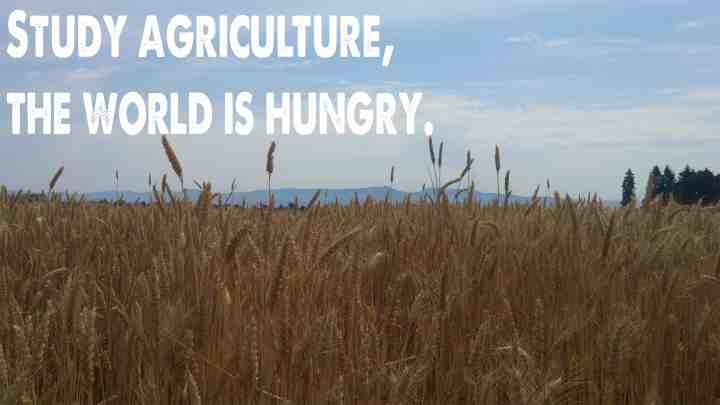
Research is critical; especially agricultural research, because feeding the world is undeniably important. Even more so when faced with big challenges from global trends such as climate-change-driven droughts and the continual increase in invasive species introductions.
What are the aspirations of youth in South Africa? Does today’s youth want to science? Do they want to help feed Africa’s growing population? Do they want to research climate change? The climate is changing and our current lifestyles are drying out. FABI just contributed 2000 liters of water to Operation Hydrate. What is this phenomenon, the “El Niño Southern Oscillation”? Do children care? Would you have cared if we weren’t experiencing a historically powerful drought? Do our children believe they can do something to make a difference?
Every research project centered on climate change will help us adapt to our changing world.
But how do we inspire youth to pursue scientific careers dedicated to solving environmental and ecological problems? Without investing resources and inspiring interest in such careers, our grandchildren will not have the same opportunities to enjoy and benefit from the earth’s natural and agricultural systems.
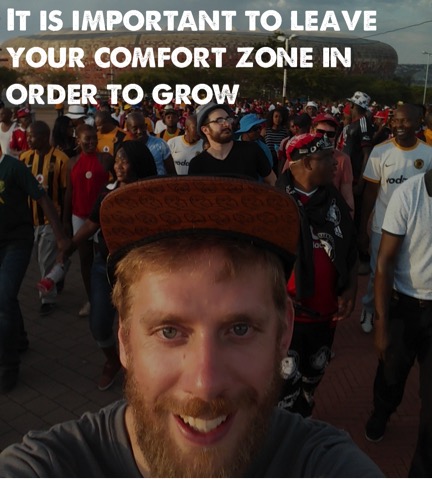
 Taking from my own story: I was given the opportunity to participate in research at a young age, inspiring an interest that blossomed into a passion, ultimately bringing me to the beautiful rainbow nation, South Africa.
I want to provide similar opportunities to young learners. So with support from FABI and the University of Pretoria, we have initiated a citizen science project to engage as many youth as we can in our research.

Citizen Science is a term for research that engages non-scientists, ranging from young learners to retirees and tourists to local professionals. In a sense, citizen science is a tool that can be used to aid research while engaging and inspiring society.
 Cape Citizen Science is a project to engage the public in research about plant disease in the fynbos biome of the Western Cape Province. Along with conducting research to help conserve South Africa’s biodiversity, the project will provide unique learning opportunities for South African citizens about ecological processes in the fynbos, the importance of biodiversity, the effects of invasive species, and microorganisms as the causal agents of disease. More information about our project can be found at: http://citsci.co.za.
Citizen science projects provide opportunities to participate in research, engaging the public to inspire a passion for scientific discovery.
There are many ongoing citizen science projects out there, just type #citizenscience on twitter to discover more.
Feel free to contact me for more information about our project, to schedule a presentation or a workshop. You can reach me at joey.hulbert@fabi.up.ac.za. I also encourage you to follow this blog for updates about the project and our methods to engage youth in science.





 SAYAS BLOG