So, I am on Robben Island, it’s dark, I am alone, and in front of me… a dead African Penguin!
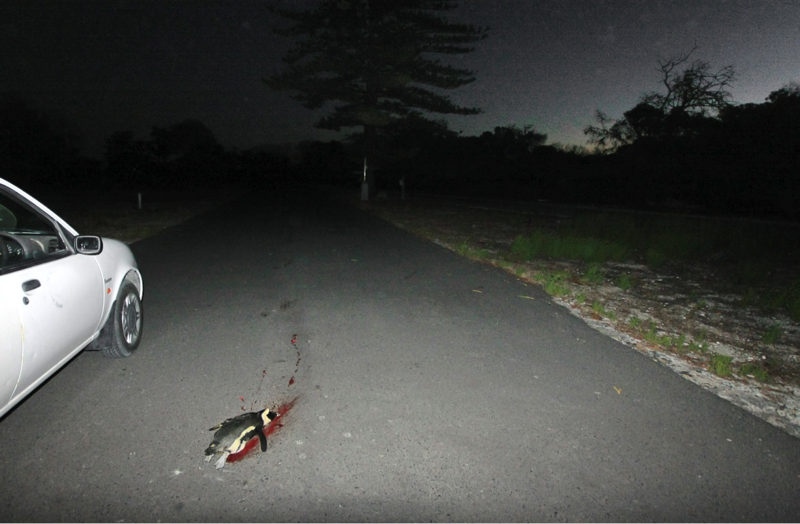
Let’s remain calm, I say to myself, thinking to get the best from this tragic experience. Well, you’d be surprised to see what happens to the penguin next! 🙂
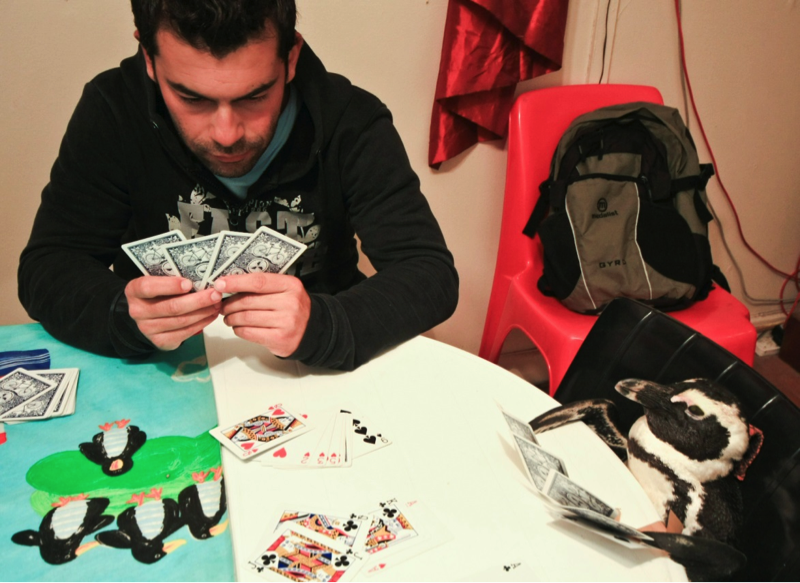
I believe a sense of humour is important even for serious matters and is extremely crucial for scientists! Anyway, the day after I stumbled across the penguin carcass I was still traumatised but feeling ready to start my research. Things like that must not happen again, I kept saying to myself… From that day I promised I would get on top of my research and do all my best to share knowledge and education to those people who do not know/care about the importance of the ocean and its inhabitants. Being on Robben Island, I thought about a quote that Nelson Mandela shared about education in South Africa, “Education is the most powerful weapon which you can use to change the world”… and I knew that there was no better place for me to fulfil my promise.
That day I started at 6 am… yes my dream had come true. I was taking photos for my research and at the same time, I knew that those images would help me to communicate love for the ocean and its need to be protected. I would never imagine that very soon two of my photos would be selected as one of the top 50 of the International Photographic competition run by South Africa Birdlife “Ocean of life” 2013 and another one in 2014!
http://oceansoflife.co.za/gallery
http://oceansoflife.co.za/gallery/2014
I have been amazed to discover how helpful my photographic skills have become in my scientific research! Did you know that in the last few years, between 6,000 and 10,000 Swift Tern pairs have bred on Robben Island every year? And understanding what’s going on is not always easy! I have been making full use of modern technology to help me out, especially DLSR cameras, camera-traps and
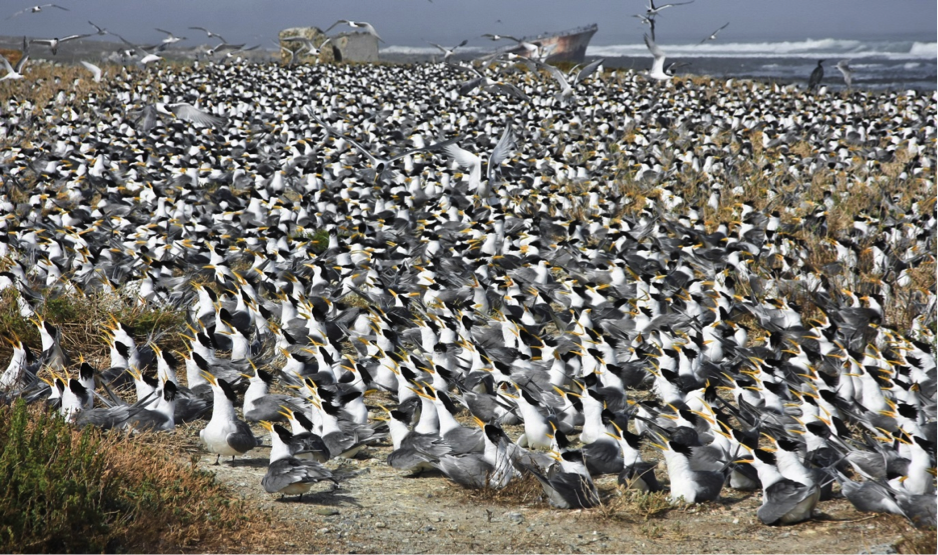
video cameras. Trust me, they are very useful tools in such noisy, smelly, crowded and chaotic colony such as this one.
So, let’s see if you could contribute to some fishy science… Let’s have a poll on this blog to see if you know your sharks from your sardines.
Early in the morning as the sun is coming up, my terns are already busy bringing food to their chicks. And I am busy there taking photos of them…the first photo is the most common species….do you know what species is this?
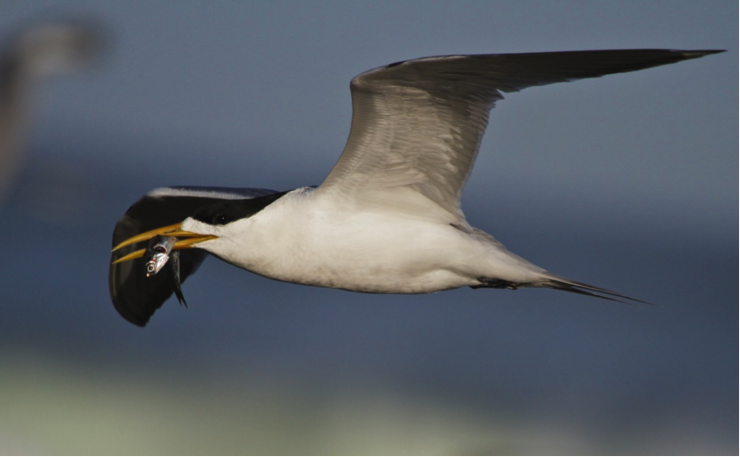
Right 🙂 , this is an anchovy….easy! What about this one?
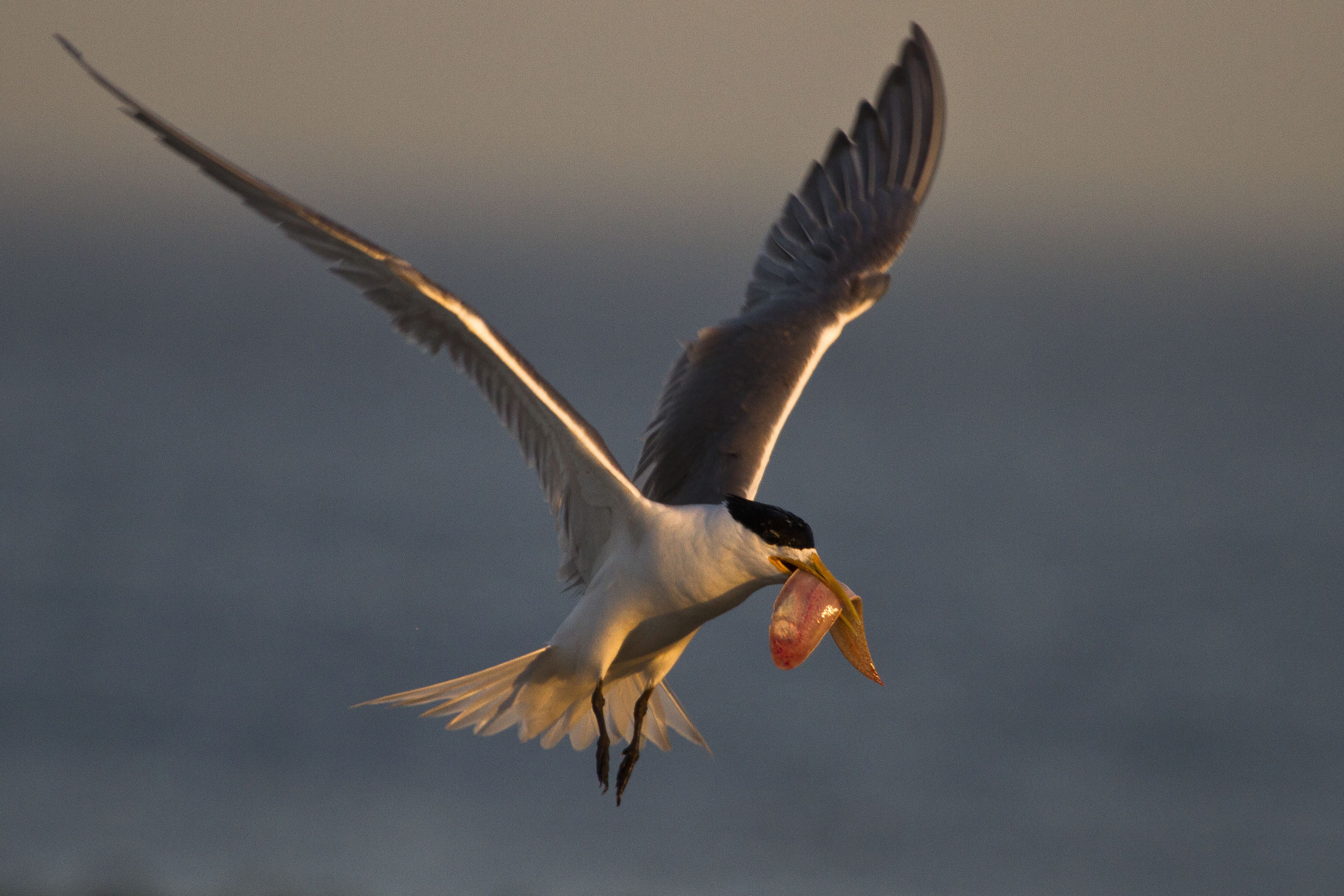
…Ok I am not telling you 😉 Let’s see if you have the right answer in the comments and polls.
And some more for you…..

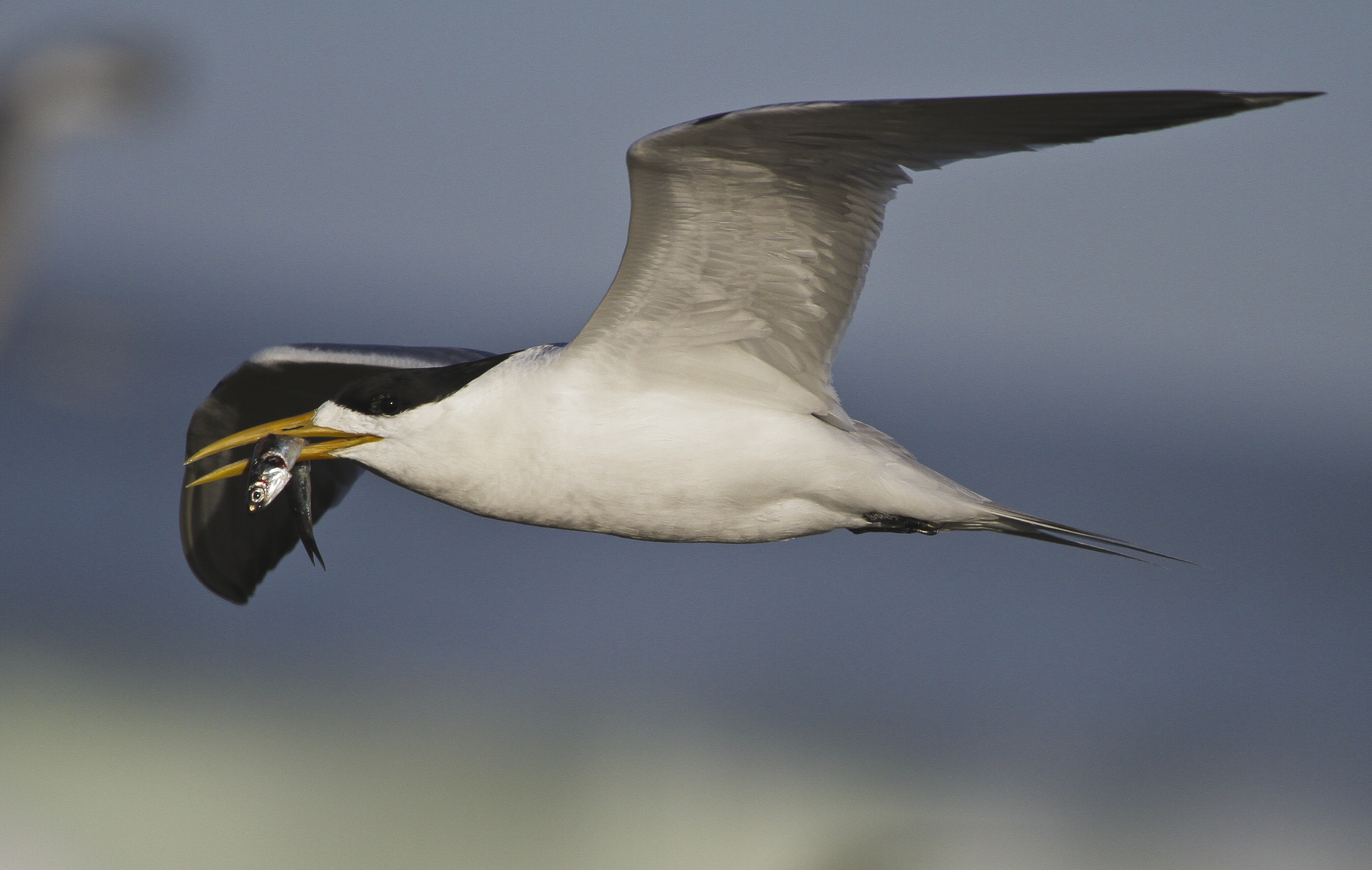
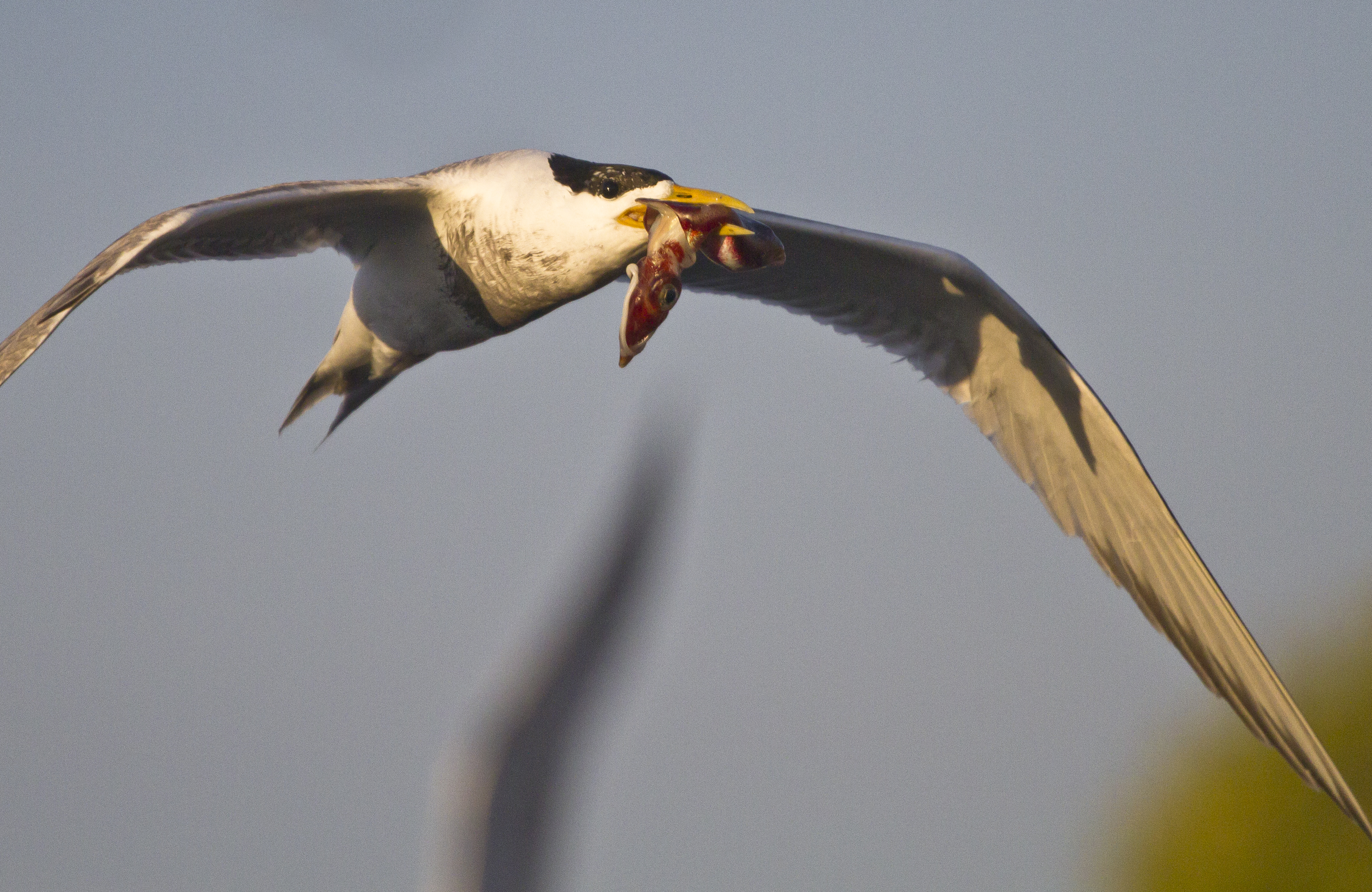
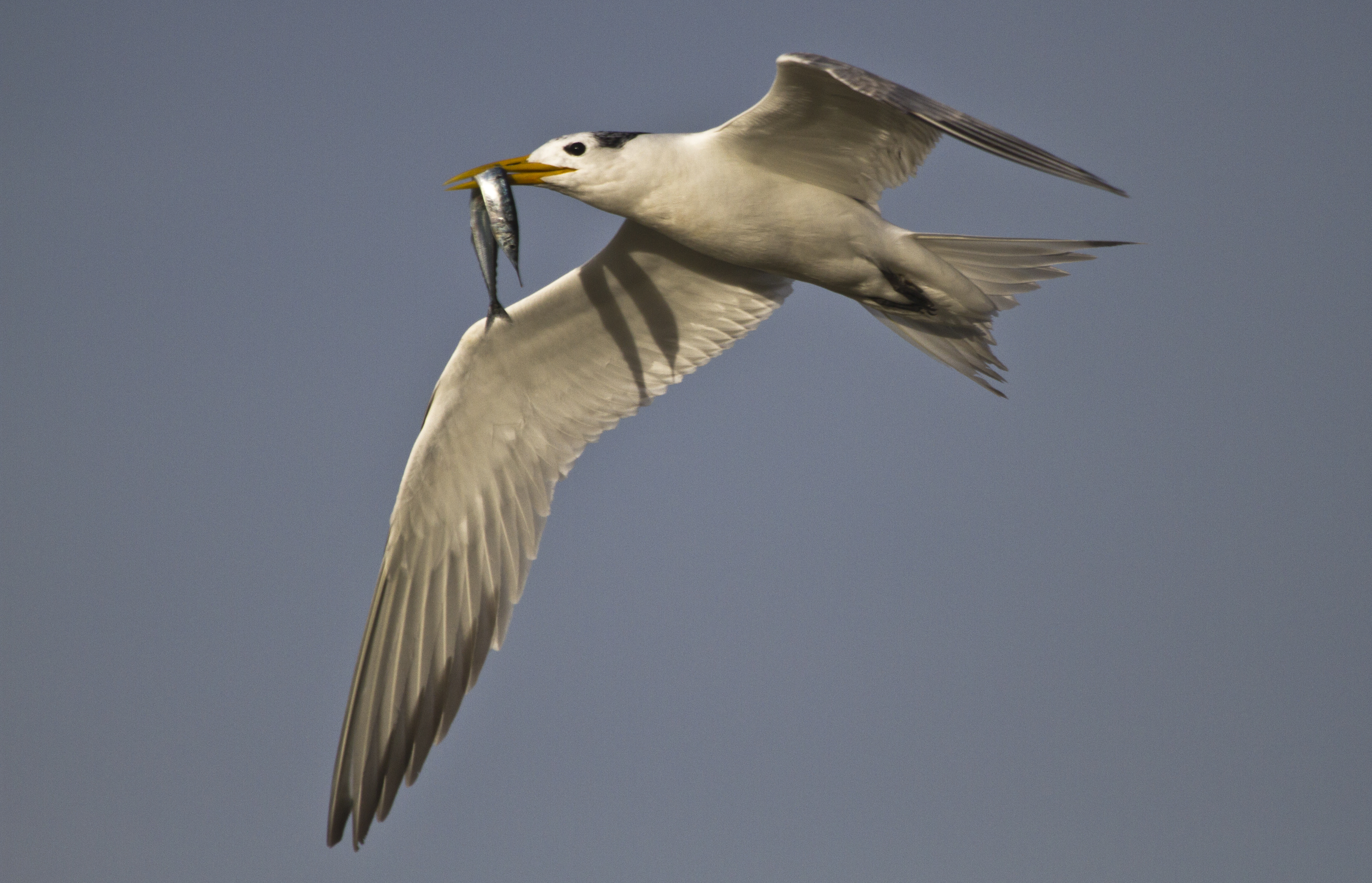
I promise to reveal the correct answers by next week Wednesday, in the comments section. At the moment, I am collecting many more photos and soon it will be time to identify new prey species, which I will publish on this blog. So, are you ready to join the challenge in trying to identify their prey and give me your comments? Whether you are a keen photographer, or knowledgeable on fish identification or you just like to know more about it, you are welcome to comment and vote, and let me know your thoughts.
I have found many prey species so far, and it’s exciting everyday, although sometimes it can be exhausting and challenging… but chicks must eat in the wind, rain, fog, well … anytime!
The ultimate goal of my research is to understand how Swift Terns cope with variable food availability and understand differences to other seabirds. I am investigating to what degree their behaviour flexibility underlies their success, in order to assess the impact of commercial fisheries on marine ecosystem dynamics. So there is a lot of stuff to learn, and I have many more adventures to tell you! Keep connected and don’t forget to complete the polls about the prey photos…. the more votes… the more photos 🙂 See you next time!


 SAYAS BLOG