So in preparation for my data collection which I hope will start soon. I have been having practice shoots or mock situations with friends who have been so generous to pose as farmers and extension officers. Allowing me to take videos while they demonstrate how the farmer and extension officer will most likely interact when working together in establishing home gardens. The mock shoots were suggested by my supervisor since I have never worked with a camera before. He made me understand that it would be beneficial for me to get used to working with the camera before meeting the actual participants of the study. Having this experience has in many ways prepared me for some of the realities I can expect when I begin my actual data collection.
People prepare in various ways for various situations. For example, some people meditate, some go to the venue where they will be presenting or writing exams to familiarize themselves with the environment and some have mock presentations or situations to help keep themselves calm. In my situation having mock situations was the best way for me to prepare. Being prepared either for exams, presentations, an interview or a meeting puts one at a competitive advantage, enhances strategic thinking, self-discipline and builds confidence.
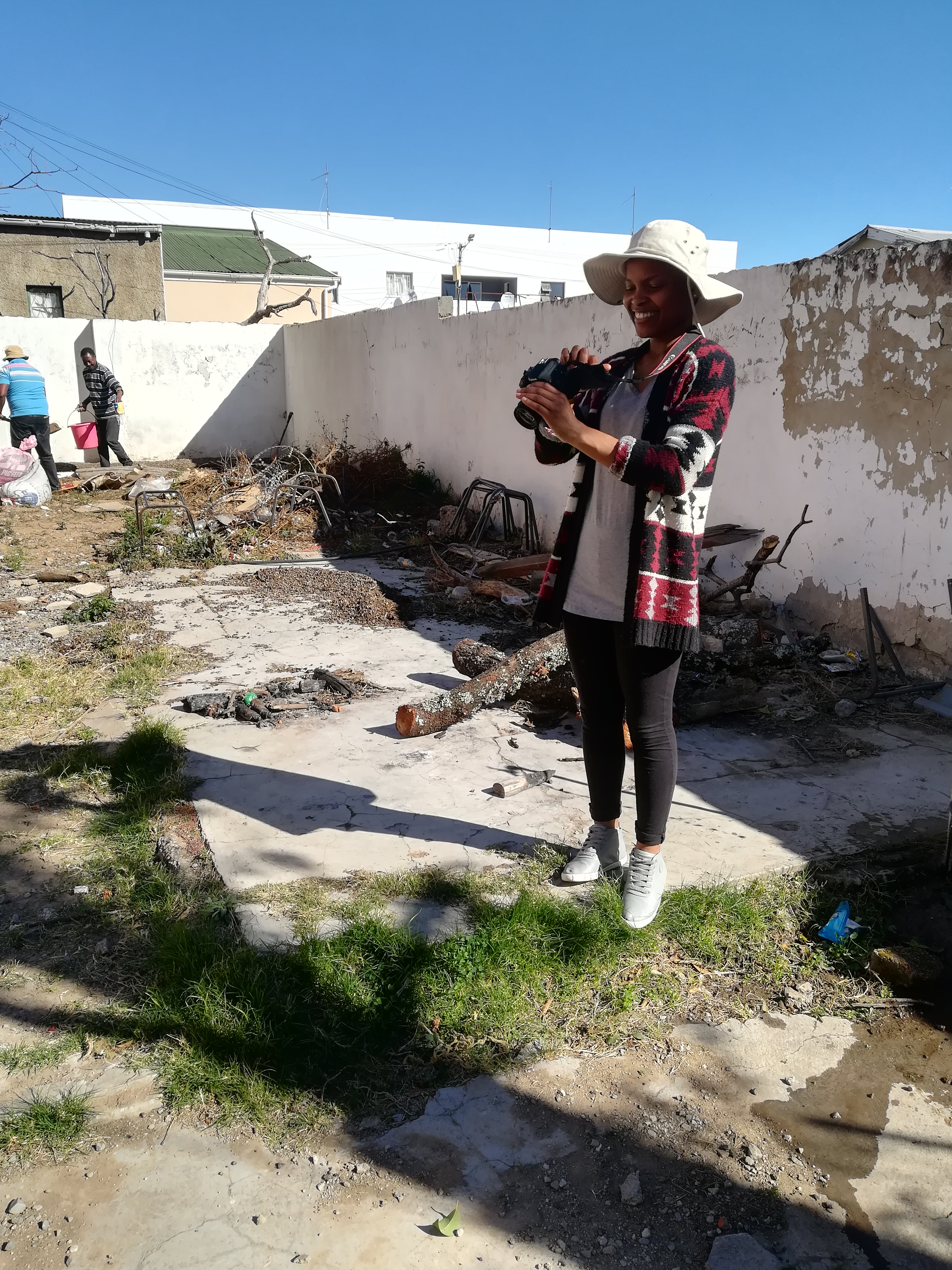
From regular clothes to a work suit…
My expectation about wearing the “right clothes” for the work I will be doing was “of course I will get dirty, I mean I will be working in gardens with smallholder farmers after all, but surely I will not get that dirty besides, I will be the girl operating the camera most of the time”. Consequently, on the first day of shooting the mock videos, I put on jeans, sneakers and a cute jersey what a miscalculation. The wind blew so drastically by the time we were finished my black sneakers looked pale from dust, my blue jeans were literally brown I do not even want to talk about the cute jersey I had on it was not so cute anymore. At that moment it hit me, my dress style has to change from everyday clothes to a work-suit and a doek. The doek is for protecting my hair from dust. On the bright side of things, this does mean less laundry for me… hehehe.
Unexpected challenges
I thought that the challenges I would encounter would be internal more than they would be external. For example, I anticipated having challenges with operating my camera while engaging with the person I am interviewing and choosing the appropriate software for editing videos. I was intimidated by working with editing software’s but now that I have been experimenting with them I have gained confidence. However, I really did not expect to be confronted by social challenges like livestock roaming around and destroying my hard work. We used a friend’s backyard to prepare the soil, plant the seedlings and eventually got the video done. The content of the video was about the “best methods of planting that are available to smallholder farmers when starting a home garden”. My friend lives in a commune and a day after we planted our seedlings one of the tenants left the gate open and a cow came in and ate all the seedlings… I died. So we had to start from the beginning because we cannot monitor the crops inside the stomach of a cow we do not know. I did not see the cow coming…literally. Seriously caught me off guard.


Having the opportunity to prepare for my actual data collection made realize that there is probably a lot of work, shock and plan B’s waiting to be executed. It has also taught me that no two days are the same. Just because one day of data collection has gone well does not mean that the next day will be just as good. Preparation even just a little goes a long way I can attest.
 SAYAS BLOG