Conferences are more important for networking than they are for sharing or learning when you are a post-graduate student.

A conference without networking is just a proceeding of abstracts or papers. You may disagree, especially if you are shy, but depending on who you meet, attending a conference could change your life.

The reason I am here writing this for you is because I met my current advisor at a conference.
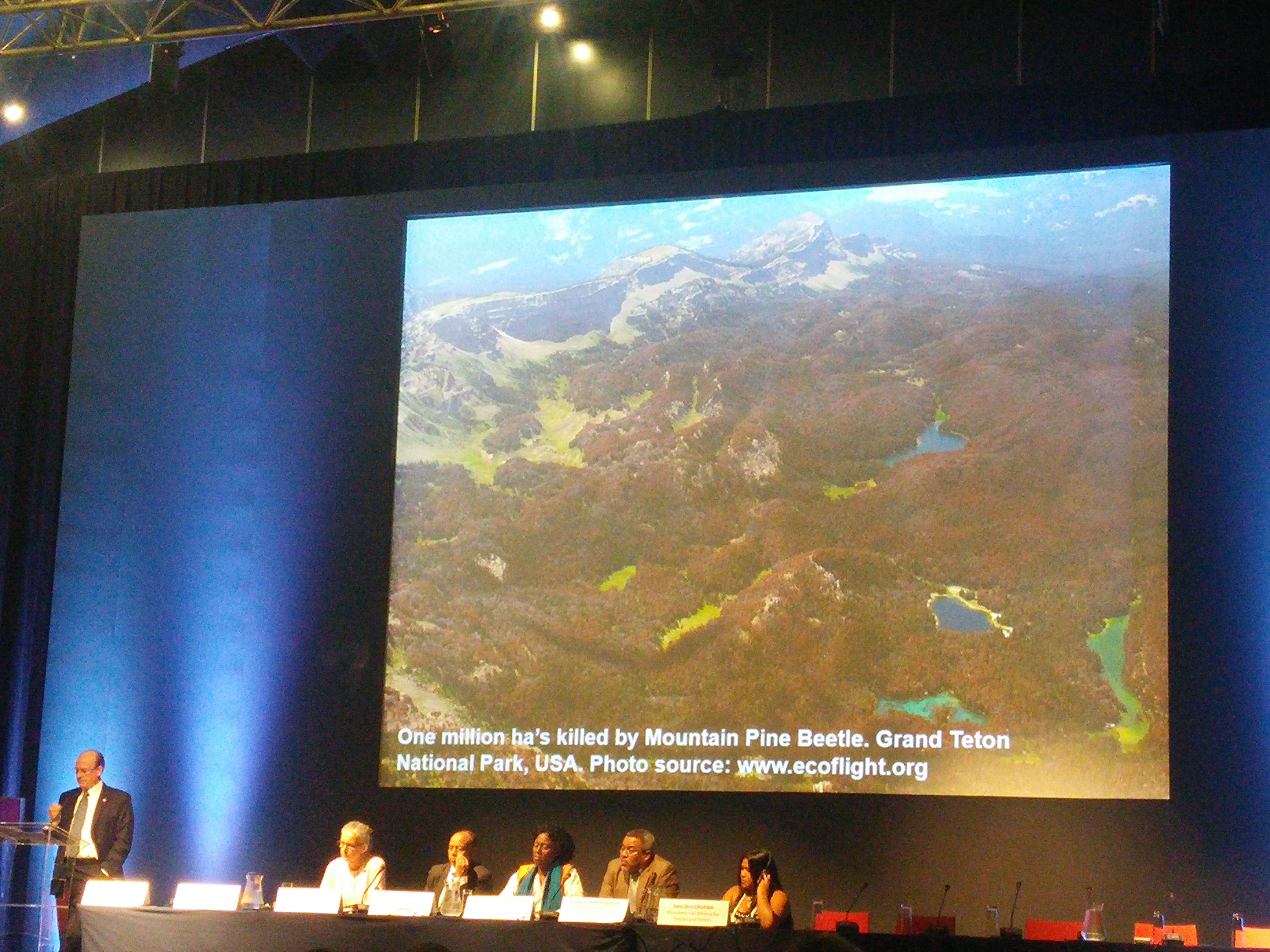
So what is the point of networking? Is it only useful if you are looking forward? Why drum up the courage to talk to the Prof or even the Minister of Science?
Even if you are not looking for anything, every meeting can still be beneficial. Below are some questions that you can ask any scientist. Even if you study biology and they study astronomy, or if you study plants and they study marine mammals, such conversations could be beneficial to you.
- ask for advice (e.g. how does a young, South African scientist get ahead in the world?)
- ask what they would’ve done differently,
- ask about an experience they recommend (for an international student in SA for example)
- ask about their personal story (what inspired you to become a scientist?)
The timing of conferences is certainly relevant to the pants you wear, but even if you are far from transitioning to a new degree or job, meet as many people as you can. If you meet someone outside of your field or someone irrelevant to your mission, ask if they recommend anyone at the conference that you should to speak to.
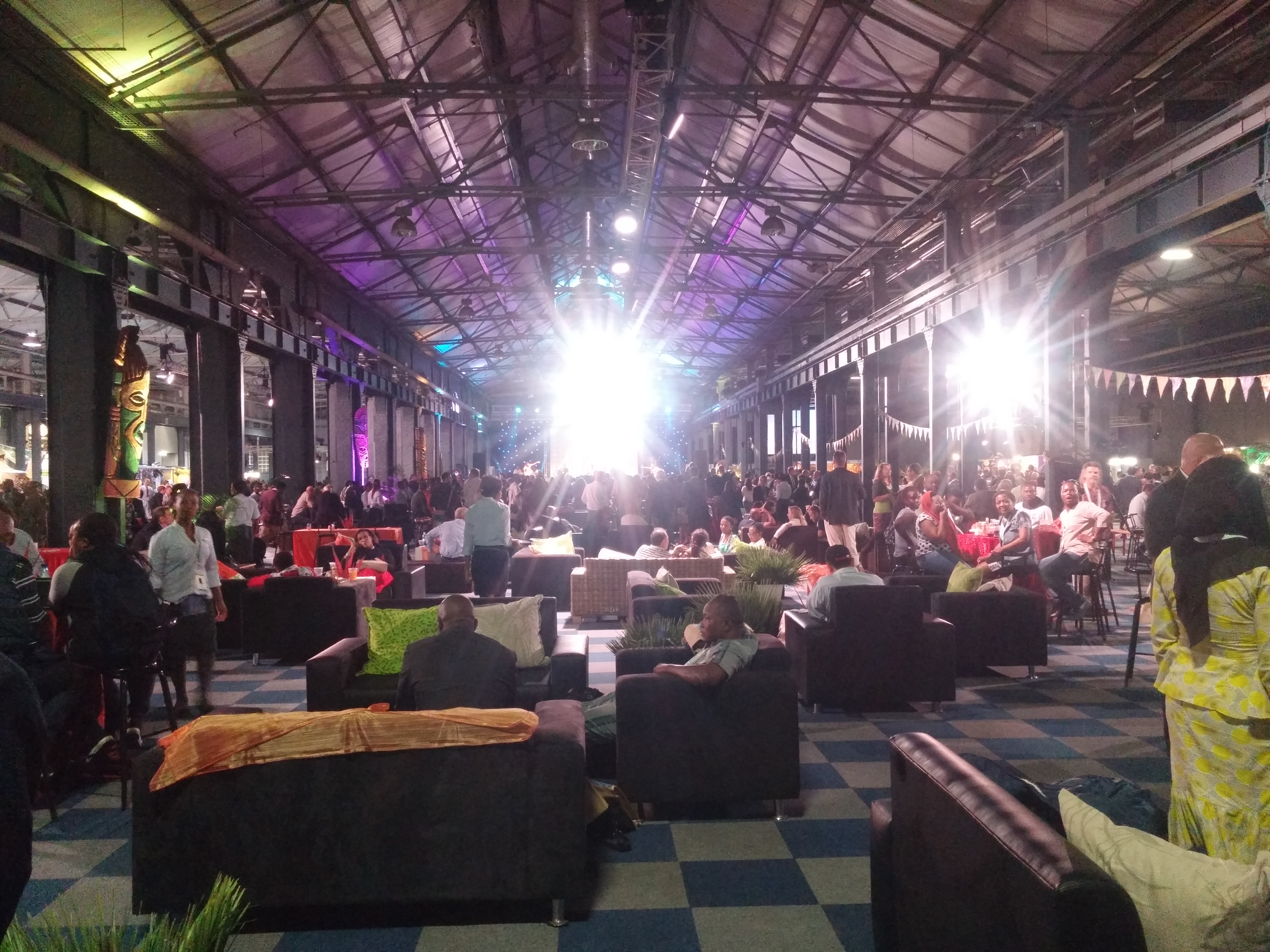
Meet people that aren’t immediately relevant to your project, maybe they will inspire you to shift specializations, or alternatively, bolster your current interest. Conversations with strangers will help you find out more about yourself.
There is a positive linear relationship between the importance of networking and the time spent on your current degree, assuming you want to continue learning and pursuing science further after you finish. If you are close to finishing, and you want to continue on the path of advancing knowledge, treat every conference as a career fair, update your CV and make some business cards.
Perhaps the best advice I can give is to contact people ahead of time, especially for bigger conferences. Look through the schedule of presentations, take note of the talks relevant to your interests, and send those individuals emails. Introduce yourself and attached your CV. Then, when you meet them at the conference, you can say: “My name is… I contacted you a few weeks ago”.
Here are some suggestions for taking the next step to actually meet strangers:
- Follow up with questions. Perhaps the most obvious is to approach people after their talks. This is generally well accepted and usually expected.
- Eat with strangers. Less obvious but even more casual is to use meal opportunities. Pick a random table and sit next to someone you don’t know to eat your food. Then, start or join a random conversation.
- Attend social events. Many conferences also arrange social events, generally providing liquid lubricant to alleviate the awkwardness of scientists. Never miss a social event at a conference.
- Use your poster as a conversation starter or activity. Stand by your poster more often than the actual designated poster session, check back occasionally to see if anyone is perusing it. Also, use your poster as a tool to explain your interests and current research, ask people if you can show them your poster and arrange a time or walk to it with them.
- Meet people through twitter. Twitter is an incredible tool to participate in discussions centered on conferences. You can shamelessly promote yourself or your poster, or you can use it to have conversations, summarize a main point, add your perspective to discussions or talks, and set up meetings. “Hey I am at this conference too! Come by my poster tomorrow”

There is enormous variation in science persona, but I am yet to meet a scientist unwilling to entertain a short introduction. Use these opportunities to ‘pick their brains’. Avoid the comfort of your friends and put yourself out there for one or two nights to maximize your conference experiences.

 y boy, who is determined to eat any electronics and books I hold in my hands. So, now, we stare at the sky and dig in the garden when I return home. And I do it rather early in the afternoon, otherwise we’re both in a mood.
 SAYAS BLOG