In a world marred with an array of problems, which range from environmental to personal, my thoughts this month are centred on the challenges we face as women. Our role has indeed evolved through the ages. From singing struggle songs and marching the streets, to fighting for our rights, and finally, commemorating “imbokodo” – the strong woman. As we celebrated Mother’s day in May, we rejoiced the women who have played a pivotal role in raising us to become the women we are. Numerous examples come to mind, from sisters, to friends, family and our role models. We reflect on the victories won by these women, raising children, modelling life and career guidance, all in the hopes that you learn from their lives in every sphere! However, in the same breath, inner conflicts and societal issues plague us.
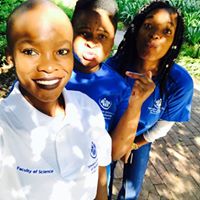 The question then becomes what role do we play where we can empower each other and assist in going through life’s problems. I see one important step as advocacy through creating societies, forums and communities, in the institutions we are in. These can become a lifeline for those that need a helping hand. The Women in Science Forum at the Tshwane University of Technology is an example of such a fraternity, comprising both aspiring and already-established female scientists, whose plea is, for women to make a change, no matter how small, wherever they are, not only in science, but in a broader scope. We’ve created a sisterhood that aims at ensuring overall personal growth by conducting self development workshops, scientific engagements but most importantly mentorship. Our hope is that this forum impacts the way that women are seen, but most importantly, act as a safety net for them to come to.
Our plight as a nation is rooted in our history, which has seen women break out of the mould, from being a care givers, to becoming career women. The advancement, albeit slow, has resulted in many of us being able to freely choose to be what we want to become. However, it saddens me to see so many stories of the torment against women blooming at every turn, of their torment at the hands of the wicked. These strifes, we bare at the hands of the men in our nation. To be violated emotionally, physically and sexually – that is not the future we envisage for South Africa. Even more-so, when the Minister, who is meant to be the voice of reason and protector of these rights, throws women to the lions! Does our future look bleak? Enough is enough! This is the united voice of many women and men across the world as they march the streets, hoping to be heard. NOT IN MY NAME they said! Yes! NEVER!
Women — and the men who support them — must never forget that they too have a voice that must be heard. Enough is enough! The future of a nation begins in a woman’s womb. It is this life-giving spirit we must nurture too, to ensure that the backbone of our country isstrong. Breaking this beautiful spirit, physically or emotionally, has a ripple effect. Lest we forget where we have been, let us remember who we are and what we want to become, in order to make our society one that strives towards holistic wellbeing. Treat people how you would like to be treated!



 SAYAS BLOG