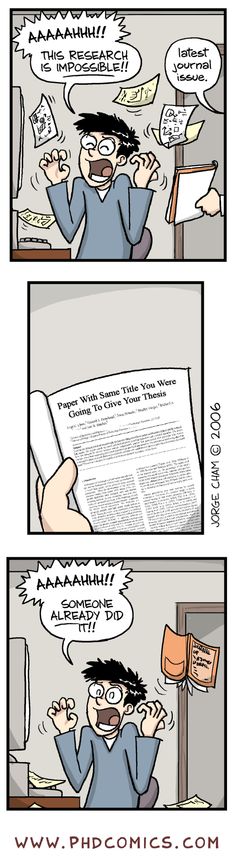
Expectations meet reality…

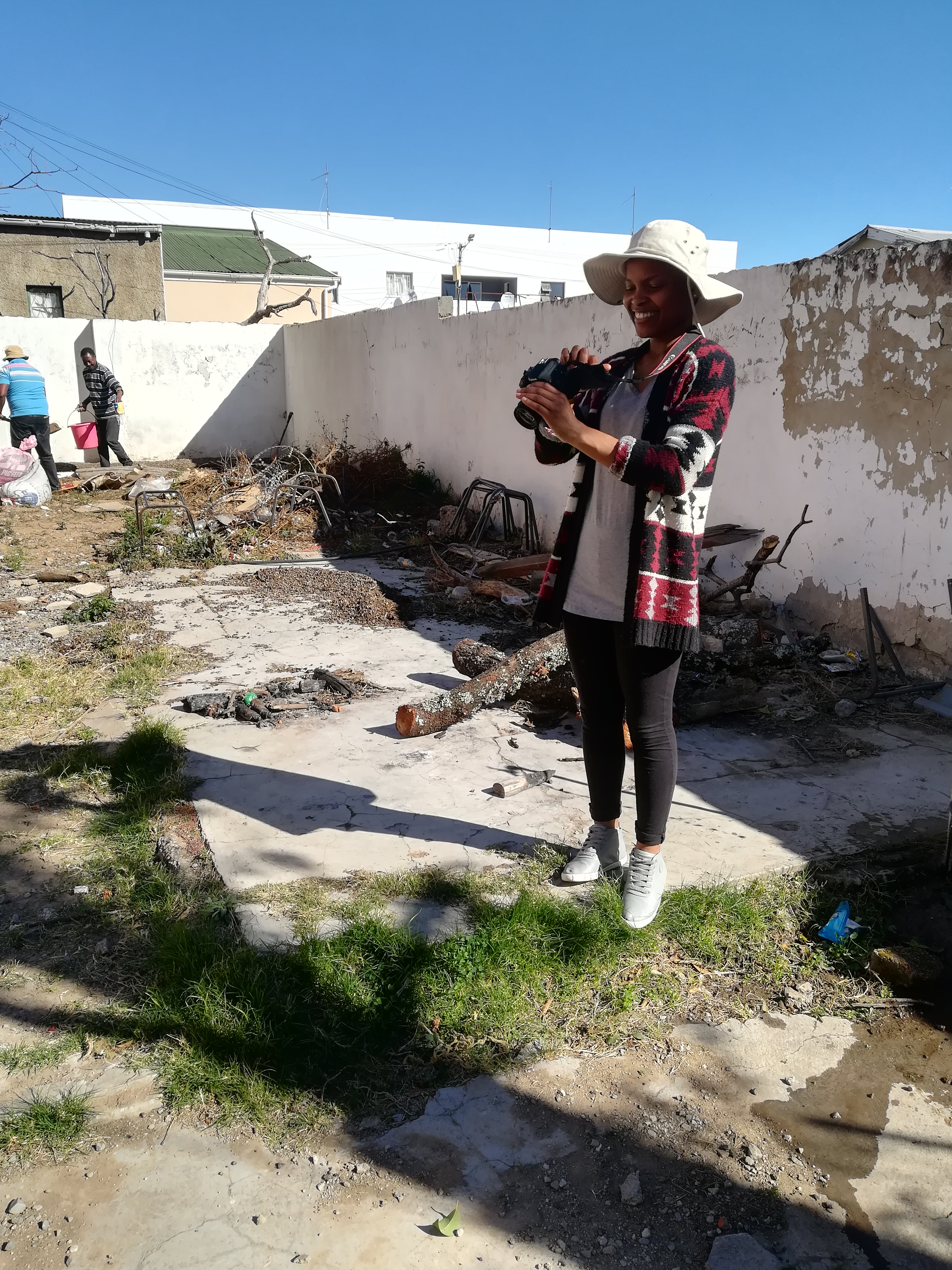
So in preparation for my data collection which I hope will start soon. I have been having practice shoots or mock situations with friends who have been so generous to pose as farmers and extension officers. Allowing me to take videos while they demonstrate how the farmer and extension officer will most likely interact when working together in establishing home gardens. The mock shoots were suggested by my supervisor since I have never worked with a camera before. He made me understand that it would be beneficial for me to get used to working with the camera before meeting the actual participants of the study. Having this experience has in many ways prepared me for some of the realities I can expect when I begin my actual data collection.

People prepare in various ways for various situations. For example, some people meditate, some go to the venue where they will be presenting or writing exams to familiarize themselves with the environment and some have mock presentations or situations to help keep themselves calm. In my situation having mock situations was the best way for me to prepare. Being prepared either for exams, presentations, an interview or a meeting puts one at a competitive advantage, enhances strategic thinking, self-discipline and builds confidence.  
sdr

From regular clothes to a work suit…

My expectation about wearing the “right clothes” for the work I will be doing was “of course I will get dirty, I mean I will be working in gardens with smallholder farmers after all, but surely I will not get that dirty besides, I will be the girl operating the camera most of the time”. Consequently, on the first day of shooting the mock videos, I put on jeans, sneakers and a cute jersey what a miscalculation. The wind blew so drastically by the time we were finished my black sneakers looked pale from dust, my blue jeans were literally brown I do not even want to talk about the cute jersey I had on it was not so cute anymore. At that moment it hit me, my dress style has to change from everyday clothes to a work-suit and a doek. The doek is for protecting my hair from dust. On the bright side of things, this does mean less laundry for me… hehehe.

Unexpected challenges

I thought that the challenges I would encounter would be internal more than they would be external. For example, I anticipated having challenges with operating my camera while engaging with the person I am interviewing and choosing the appropriate software for editing videos. I was intimidated by working with editing software’s but now that I have been experimenting with them I have gained confidence.  However, I really did not expect to be confronted by social challenges like livestock roaming around and destroying my hard work. We used a friend’s backyard to prepare the soil, plant the seedlings and eventually got the video done.  The content of the video was about the “best methods of planting that are available to smallholder farmers when starting a home garden”. My friend lives in a commune and a day after we planted our seedlings one of the tenants left the gate open and a cow came in and ate all the seedlings… I died.  So we had to start from the beginning because we cannot monitor the crops inside the stomach of a cow we do not know. I did not see the cow coming…literally.  Seriously caught me off guard.


Having the opportunity to prepare for my actual data collection made realize that there is probably a lot of work, shock and plan B’s waiting to be executed. It has also taught me that no two days are the same. Just because one day of data collection has gone well does not mean that the next day will be just as good. Preparation even just a little goes a long way I can attest.
A first for everything

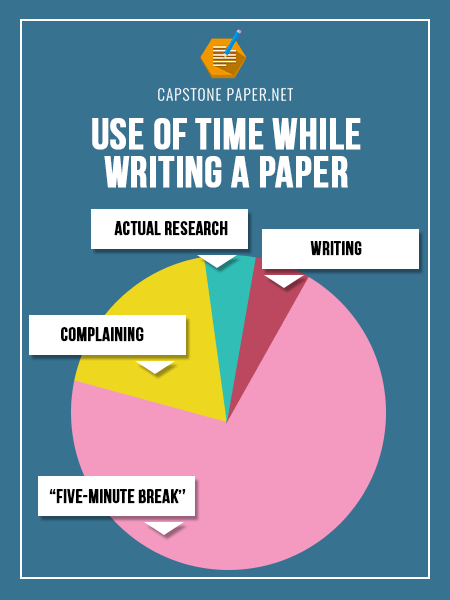
I recently had a nerve-wracking experience, my very first manuscript was finally ready to be submitted to a journal but when it came time to press the “submit” button, I froze. I had been working on this manuscript since my honours year in 2015, it has been 4 years, there have been countless drafts, my co-authors (my supervisors) were happy with it and they were ready to let it go. I think I reread the final draft 87 times, checking if I had dotted my i’s and crossed my t’s, I found myself making excuses to not submit, it wasn’t ready (after 4 years it really REALLY was though!), I wasn’t ready and, frankly, I was TERRIFIED. This would be my introduction into the ‘real world’ of research, the very first piece of writing I put out to my research community for them to critique and read.

d742fd2ae07123a9be0f5c11ab2e36e3

So, what did this millennial do before pressing submit? Naturally, I went to Twitter and told my online support system that my impostor syndrome had crippled me. I was overwhelmed at the response, many people offered advice, words of encouragement and some even offered to press submit for me, it helped me feel less afraid. Many researchers shared their feelings about their first submission and their first rejections. It has now been just over a month since I submitted, I am still anxious and check the submission status constantly but I feel more confident now, even if the paper is rejected, my online support helped me realise that it is not the end of the world, it is simply a hurdle that I will overcome.

df41da2abdf1082236b687283ccbba62--phd-humor-humour

So, in honour of my first baby, my first paper, I thought I should put together a post that helps guide other first-timers in the world of publication! There are many fantastic detailed guides online, one of my favourites is from Dr Melanie Seiler on the blog The Female Scientist. This is a good guideline for writing a paper, outlining what is expected in each section and how to go about writing your first paper. Also check out this guideline on Enago, How to Write a Research Paper. These are REALLY helpful to start your writing process! Below I detail a few of my own tips, the last one being my favourite. My editor, Prof Inglesi- Lotz, has also contributed to this area of interest in a SAYAS blog post which is worth the read before going into a panic about publishing your first paper.

  • Find a good support system

I was fortunate enough to attend a publication workshop early last year hosted by The Centre of Excellence in Paleosciences at WITS University and led by the phenomenal publishing machine that is Dr Jennifer Fitchett. Dr Fitchett covered the publication process, she explained things like H-indexes and choosing journals and navigating this scary space. If your institution offers writing support like this, I encourage you to attend, it is great to work through problems in groups and to bounce your ideas off researchers that could be in a completely different field in order to test the clarity of your work.

Your support system can also consist of your co-authors, your supervisors and your peers. They are probably familiar with your work and if you ask, would be happy to provide feedback. If you love Twitter, like I do, then an online community can also help you navigate through your fears.

  • Choose your journal wisely

Most journals have an outline of the research work they publish and often a guideline for authors. Make sure to check your prospective journals’ homepage and learn about their format, submission and review processes. This will help you decide if it is the right journal for your work and assist in preparing your manuscript. Another way to decide if a journal is a good fit for you is to look at your own reference list and the journals you frequently cite, this could be an indicator of the right type of journal for your research work. Aim high and even if you are rejected, chances are you will receive some feedback that can be helpful in revising your paper. If that is not for you though, try to pick a suitable journal based on the research at hand, this requires an honest look at your work.

  • Get a second, third or fourth opinion

It is okay to feel unsure! It is great to bounce your ideas off other people whose opinions and input you value. The manuscript can be circulated (confidentially) for you to get some constructive feedback. This is also why conferences and seminars are so important, they offer an opportunity to present to an audience who can provide feedback and act as a room of reviewers. Discussing your work with others may encourage new ideas and insights and take you out of your mental bubble.

  • Stop that impostor syndrome

ff8827a44ceb7590b70c0fe0f5e63bbe.jpgMy wonderful SAYAS editor also reminded me that just a few weeks before my panic, I had written a blog post on Impostor Syndrome and my dealings with it, she reminded me that I was capable and that my voice, my research and my perspective mattered. Sometimes that is all you need. It is going to be difficult and your fears are valid, but you cannot let that stop you from sharing your research work. You matter!

  • Press SUBMIT!

This is probably the hardest part, once you press submit, your work is out there to be judged. Reviewer 2 is real, and they will probably have feedback but that can all assist you in presenting the best possible work. If you need a gentle nudge, you could always ask someone you trust to press the button for you. I promise once it is done you will feel a sense of relief! Sometimes it is about changing your perspective, although it is nerve-wracking, think of the feedback and how it will help you improve your work.

  • Don’t let the fear of rejection stop you

If your paper comes back with revisions, or it is rejected, do not let that stop you. Take a moment, maybe more, reflect on the feedback, dust yourself off and TRY AGAIN. There are many reasons why manuscripts are rejected and take the feedback and rework it, change your approach, change the journal possibly but do not give up.

  • Congratulate yourself

I pressed submit before 11AM on a Monday and you know what? I had a glass of wine and didn’t feel an ounce of guilt. Celebrate that you were brave enough to do it, you deserve it!Instagram-Simple-as-that-6a4430