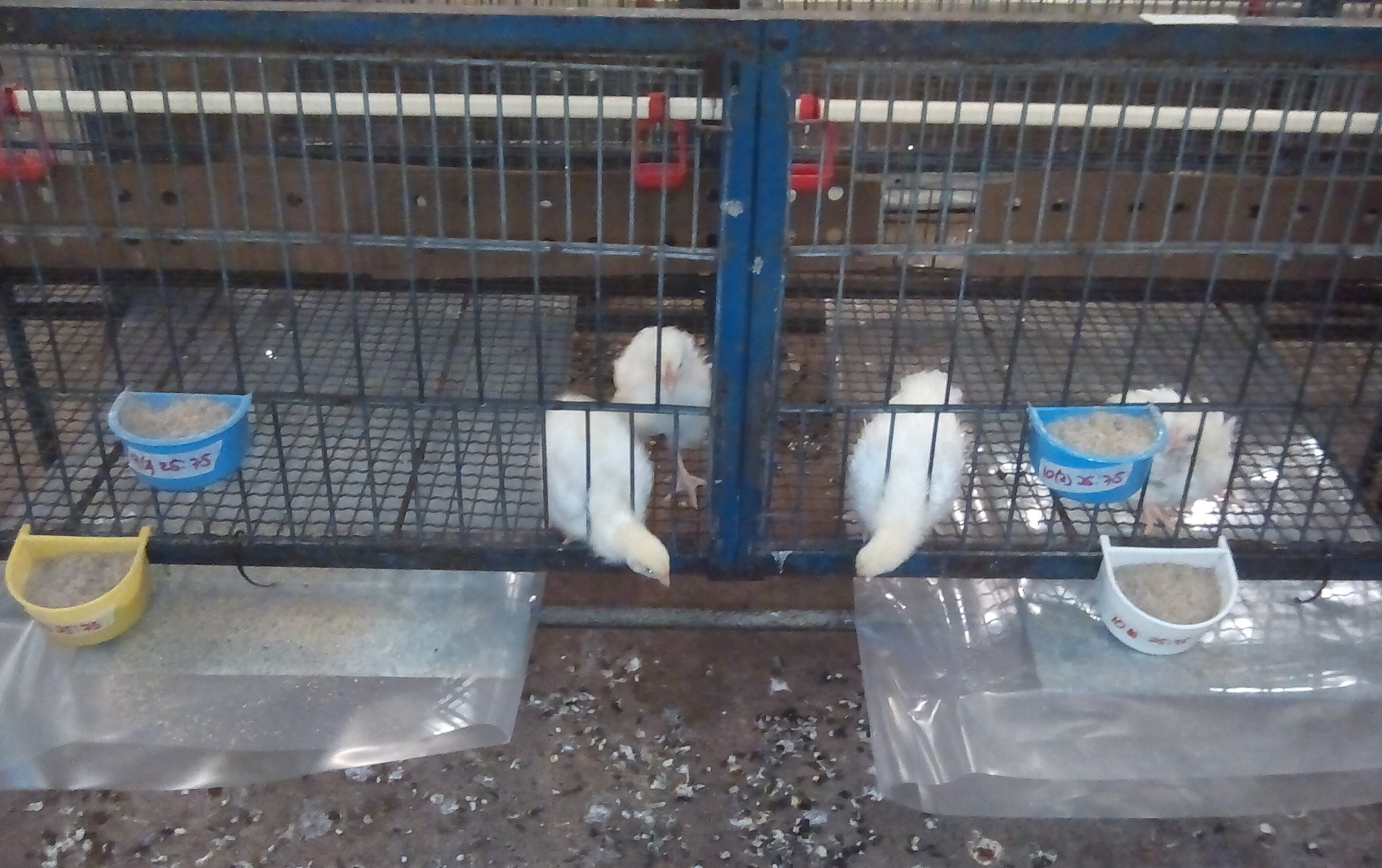
I only have one word to describe Africa, DIVERSE. In this continent there exists more than eight thousand dialects spoken among three thousand tribes that to me is diversity defined! In the past three months I have had the pleasure to experience a bit of that diversity through living with housemates from Zimbabwe, Uganda and of course the rainbow nation. Come to think of it even the chickens had a bit of diversity (in terms of behaviour)… I mean there was one naughty cage. I tell you, those birds would even poke my pants! And then there were my sweet babies, always well behaved (laughs).

Food matters at house no. 24
Anyway, my housemates and I have a lot in common, maybe because we are all students or it could be that our similarities emanate from the fact that we are all nourished by the African sun and our history is stained with the rich soil that produce precious stones. Nonetheless there is a significant difference in the food we eat. Believe you me in this regard (p ˂ 0.005). My house mates from Zimbabwe prefer SADZA (pap) on any day to most dishes. To them it’s their thing and without it they are “food insecure”. On the other hand there’s me, I always feel “food insecure” when I have no vegetables and of course meat. We sometimes explore each other’s meals but what I realised was, though I may like how each dish tastes, I may not necessarily regard it as food for nourishment. Same goes for the rest of the house. I never though diversity would be evident even in food. A simple meal (well, simple in my view) is complicated and sometimes unacceptable to some of my housemates because they didn’t grow up eating such foods and it won’t fulfil their hunger.
There is always hope
Yes, our food is different, but there is beauty in it. I guess as researchers we are trying to find an answer to the same question in different ways for various communities; these ways based on the environment, availability and acceptability of the foods we are so desperate to produce. The quest for food security in Africa is not new, neither is it impossible to attain. I believe food security challenges on our continent can be solved through our diverse strategies to make Africa better — research being one of them. For that reason I will continue to pursue excellence and appreciate diversity in even in food. It’s only been a year into my research about animal production and already I’m thinking it’s too late to quit now. There must be something I can do to redefine the state of our continent… (Sigh).
Food and more food is what I’m striving for.

 SAYAS BLOG