Attending conferences as a post-graduate student

Conferences are more important for networking than they are for sharing or learning when you are a post-graduate student.

dsc_2338_15415498314_o

A conference without networking is just a proceeding of abstracts or papers. You may disagree, especially if you are shy, but depending on who you meet, attending a conference could change your life.

0907151058d_21186207076_o

The reason I am here writing this for you is because I met my current advisor at a conference.
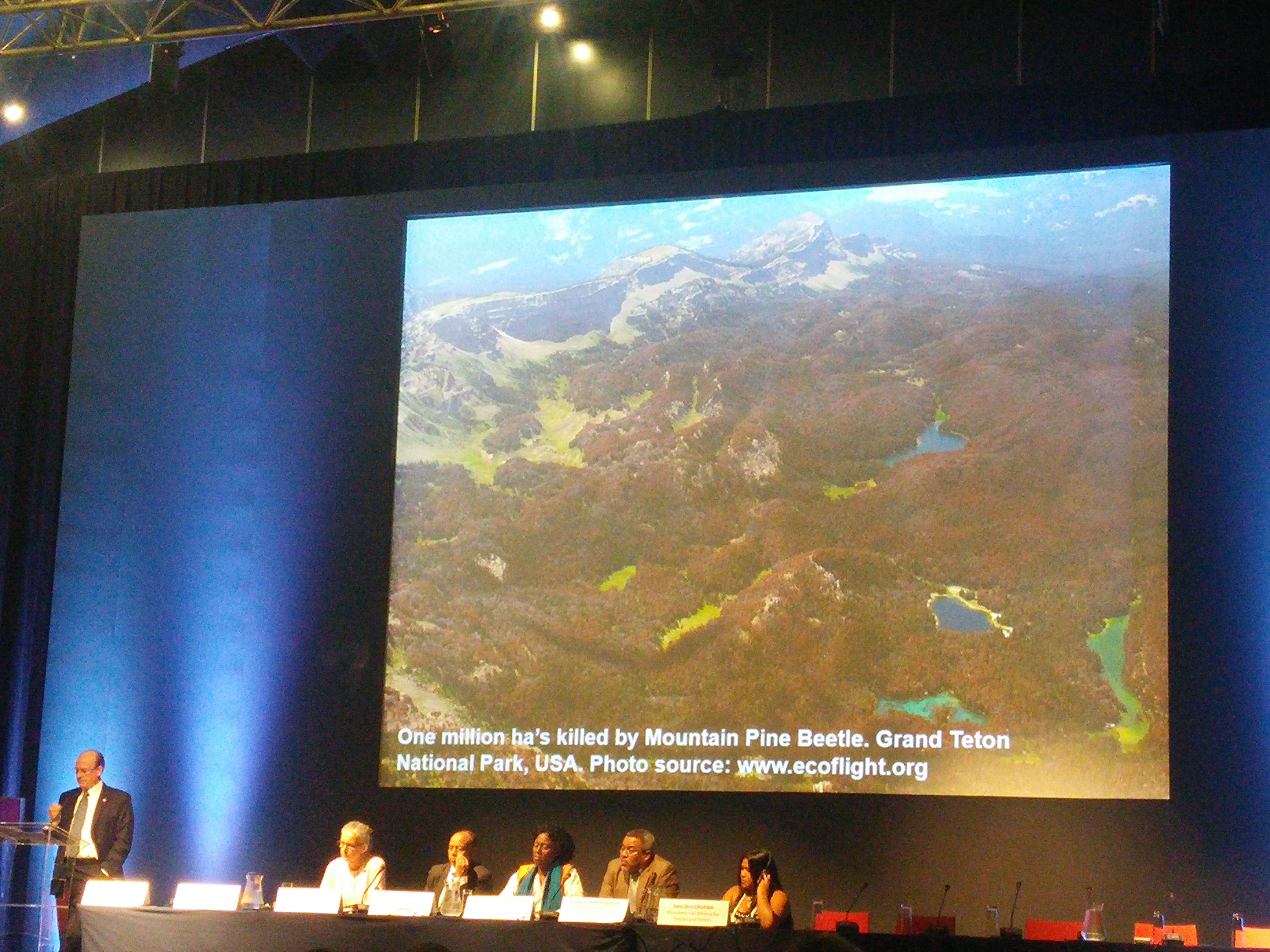
0907151717a_21293742762_o

So what is the point of networking? Is it only useful if you are looking forward? Why drum up the courage to talk to the Prof or even the Minister of Science?


Even if you are not looking for anything, every meeting can still be beneficial. Below are some questions that you can ask any scientist. Even if you study biology and they study astronomy, or if you study plants and they study marine mammals, such conversations could be beneficial to you.

  • ask for advice (e.g. how does a young, South African scientist get ahead in the world?)
  • ask what they would’ve done differently,
  • ask about an experience they recommend (for an international student in SA for example)
  • ask about their personal story (what inspired you to become a scientist?)


The timing of conferences is certainly relevant to the pants you wear, but even if you are far from transitioning to a new degree or job, meet as many people as you can. If you meet someone outside of your field or someone irrelevant to your mission, ask if they recommend anyone at the conference that you should to speak to.
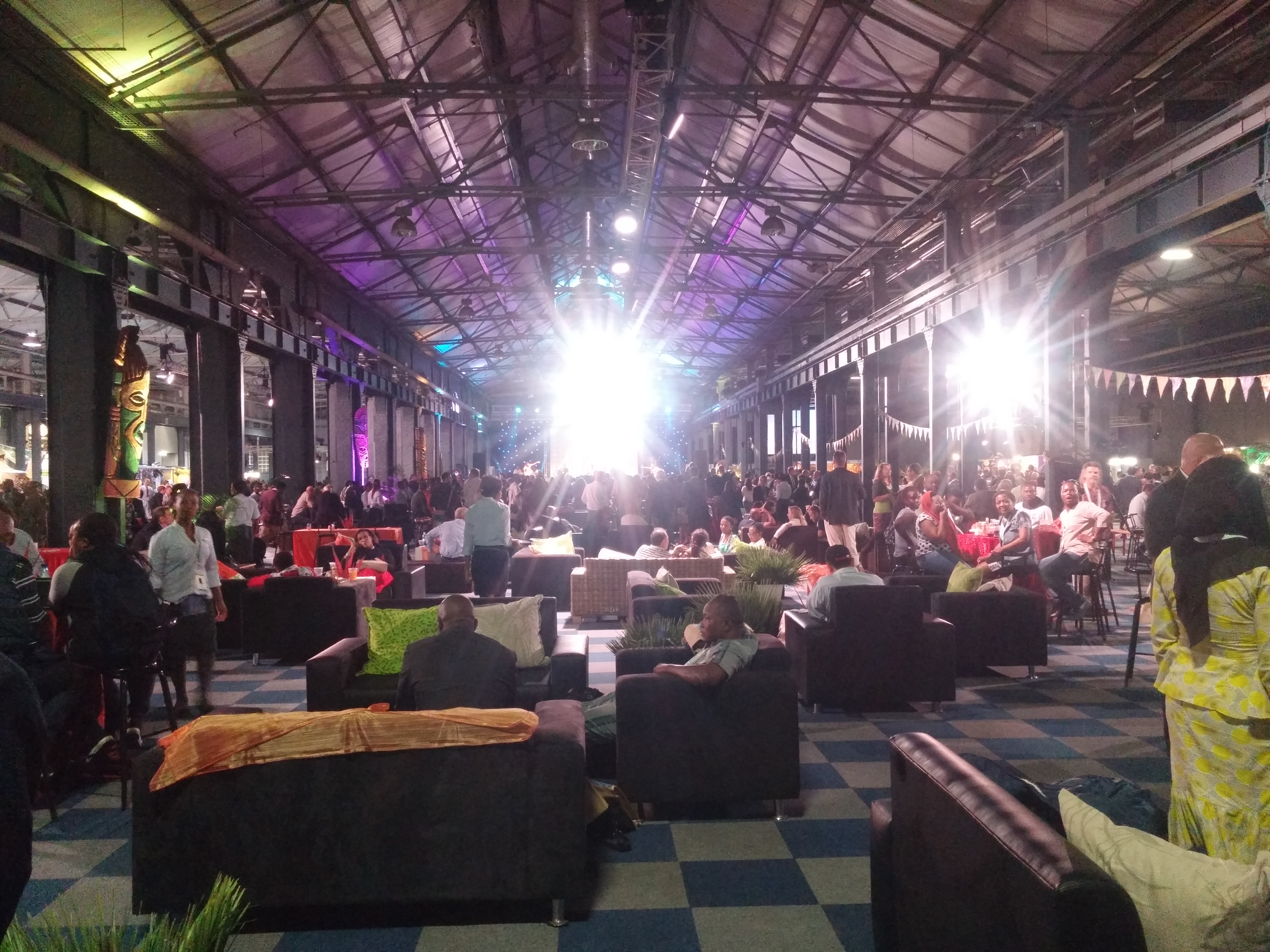
0906151953c_21184985022_o

Meet people that aren’t immediately relevant to your project, maybe they will inspire you to shift specializations, or alternatively, bolster your current interest. Conversations with strangers will help you find out more about yourself.


There is a positive linear relationship between the importance of networking and the time spent on your current degree, assuming you want to continue learning and pursuing science further after you finish. If you are close to finishing, and you want to continue on the path of advancing knowledge, treat every conference as a career fair, update your CV and make some business cards.


Perhaps the best advice I can give is to contact people ahead of time, especially for bigger conferences. Look through the schedule of presentations, take note of the talks relevant to your interests, and send those individuals emails. Introduce yourself and attached your CV. Then, when you meet them at the conference, you can say: “My name is… I contacted you a few weeks ago”.


Here are some suggestions for taking the next step to actually meet strangers:

  • Follow up with questions. Perhaps the most obvious is to approach people after their talks. This is generally well accepted and usually expected.
  • Eat with strangers. Less obvious but even more casual is to use meal opportunities. Pick a random table and sit next to someone you don’t know to eat your food. Then, start or join a random conversation.
  • Attend social events. Many conferences also arrange social events, generally providing liquid lubricant to alleviate the awkwardness of scientists. Never miss a social event at a conference.
  • Use your poster as a conversation starter or activity. Stand by your poster more often than the actual designated poster session, check back occasionally to see if anyone is perusing it. Also, use your poster as a tool to explain your interests and current research, ask people if you can show them your poster and arrange a time or walk to it with them.
  • Meet people through twitter. Twitter is an incredible tool to participate in discussions centered on conferences. You can shamelessly promote yourself or your poster, or you can use it to have conversations, summarize a main point, add your perspective to discussions or talks, and set up meetings. “Hey I am at this conference too! Come by my poster tomorrow”

0908151051b_21293759452_o

There is enormous variation in science persona, but I am yet to meet a scientist unwilling to entertain a short introduction. Use these opportunities to ‘pick their brains’. Avoid the comfort of your friends and put yourself out there for one or two nights to maximize your conference experiences.

The Climb!

sdr

Ever heard of the Chinese phrase, “Outside of this mountain that you’ve marveled at or climbed, there’s a taller one waiting for you somewhere”? If you have, then you can most certainly relate to this blog post. That saying seems to be resonating through me as I write this blog entry. It makes me think about the different objectives that we pursue, not just in research but also life: it’s almost like life is this never-ending hike, with hill after hill after hill that we need to climb if we want to reach the top of the final mountain. Just like Miley Cyrus says in her song, The Climb. “There’s always gonna be another mountain, I’m always gonna want to make it move. Always gonna be an uphill battle, sometimes I’m going to have to lose, it’s not about how fast I get there, it’s not about what’s waiting on the other side, it’s the climb”.

Personally, the past few weeks have been filled with incredible triumphs (see my previous blog). I’ve just conquered the peak of data collection and analysis for my MSc. Unfortunately, there isn’t time to relax and bask in my glory and I’m sitting in the shadow of another looming mountain.  That latest mountain is reporting, discussing, concluding and formatting my dissertation.

Few scientists choose this career because they like writing and communicating…. and I guess that makes me a typical scientist. I have been somewhat struggling with writing up my dissertation. I do believe that the brisk pace that I have been working at might just have an effect on that struggle.

Being the perfectionist that I am, I feel like there is a need to make amends for not submitting my dissertation last year. One way of doing that was to work on my document and submit it as soon as possible. That’s all well and good, but I reckon that one thing that I did not consider was that writing up in a hurry would affect the quality of my work. “It’s not about how fast I get there, it’s not about what’s waiting on the other side, it’s the climb.” So it means the process of writing up is more important than just submitting.

You’d think that after years of listening to those lines, they would actually mean something to me by now!

Only after many attempts to submit my chapters to my supervisor and getting them back with lots of unpleasant red ink, have I finally decided to slow down, to pause and think about what I want to do before doing it. Because when I keep rushing rushing rushing to just put something – anything – on paper for her, I lose sight of my real goal; I’m getting somewhat lost. And I don’t want to keep wandering aimlessly, after all.

Screenshot_2016-06-03-20-34-50

Just had a flashback of a book called “Think Fast and Slow” by Daniel Kahneman that I bought a few months back. I haven’t finished it by the way, but I’ve read enough of it to grasp the concepts echoing through the book. Sometimes you have to make fast and instinctive decisions and, sometimes, you have to be reflective and more deliberative in your approach. The dark tunnel phase of my research has passed, the phase where had to move fast and instinctively. Now I need to slow down and be more purposeful in my approach, I need to read the results, be one with them and discuss them as they are.

Easier said than done though, right? Like I said in my earlier blog, not a lot of work has been done on Moringa oleifera seeds and egg laying chickens. This too is a mountain that I have to move. I guess it’s called “Masters” for a reason. It’s not about just feeding chickens and getting eggs but also about the scientific consequences of that. Because no matter how solid your research may be, if you don’t publish it, don’t grapple with the methods and conclusions yourself, then it’s as good as never having being done. In the scientific world, it doesn’t exist.

I’m a little bit of a twitter fan, so whilst I was there, minding other people’s business, I saw a post shared by one of my fellow student, Nobuhle Sharon Lungu. The post said, “We Screenshot_2016-06-03-20-16-19win every day but we don’t appreciate, we only celebrate when we win big”.

I hope this blog will change this mindset; you must celebrate every victory, every small mountain top that you reach. I had to take joy in finishing data collection, or else I would not have had energy for this current slog. So, yes, every peak you reach, celebrate it — even if you think it’s not too high; because it is those small hills that make us stronger to fight and reach the ultimate peak.