The chase is wonderful — in fact, it’s thrilling! Nothing is as fulfilling as meeting a deadline or completing a task even before the deadline (impressive, I know). However, there is that horrible, anti-climactic period after you’ve submitted all your chapters, and you can’t do anything but WAIT… For a constantly busy person, that is an almost frightening experience. All the interviews and motivational speeches I’ve listened to never told me about this phase of research, and my colleagues don’t really talk about it. So how did I stay sane while waiting for feedback from my supervisor? Here is what unfolded.
I read
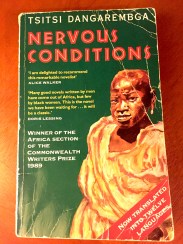 Books – good, old-fashioned novels – handily took my mind off grammatical errors, responding to reviewer comments, and italicized references (as I take a breath). Reading gave me the opportunity to laugh and also to understand the struggles other people go through. The characters I read about in some of the books came alive, and I was able to escape boredom as it was. It was also a real relief to be reminded that all reading does NOT have to be scientific. I have a new appreciation for authors; they too have become a part of my study, a comforting part.
I travelled
It’s been said that we travel not to escape life but for life to escape us and to this statement, I concur. As you’re on your way, it’s amazing how free-spirited it feels to look at passing fields and hopefully soon, passing countries. The scenery in our country is so beautiful and glimpsing others’ lives, I was able to empathize with my fellow country men and women as they face challenges on a daily basis, challenges different to my immediate ones. To my amazement some parts of the country are drought-stricken while others battle with snow — all in one season — and yet both situations threaten the survival of their livestock. This of course immediately spoke to me of threatened food security. All this reminded me to count my blessings rather than complaining about desiring a life of relaxation. Traveling and meeting strangers is an education in itself, one I don’t want to ever neglect.


I improved on a skill or two
This may sound a little ambitious, but really, why not? What better way to be useful to my community and myself than to learn something new?
“I would suggest something out of your comfort zone, something that will allow you to tap into someone else’s world” said the inner me to the lazy me.
So, I bought cooking books and boy did I cook up a storm! Nobody suffered while I fed them, and now I am left with the challenge of identifying a new comfort zone to escape. Self-development is a huge part of my journey, and working on non-academic skills reminds me that there is more to myself than just academia and or science.
Perhaps a number of things are happening around you, outside of your research field, take a moment to appreciate them. It surely does go a long way to staying sane.

 SAYAS BLOG