Is the research we are producing in South Africa locally contextualized, relevant and addressing societal needs?
In the 2000s social justice became a buzz word, hence in 2009, the United Nations declared 20 February annually for the international observance of World Day of Social Justice. The 2020 theme being ‘If you want peace and development, work for social justice’. In South Africa, there can be no discussion on the topic without adding the word economic social justice. A Statistics South Africa (2019) report acknowledged that usually, inequality is more between nations, for example, Spain is more equitable than Venezuela. Yet, South Africa holds the dubious placing of being the country where the most inequality exists internally as opposed to another state. As per the graphic below, only 1% of the richest have almost 20% of the wealth, only 10% earn 65% of South Africa’s income, creating a bleak picture for the remaining 90% of South Africans and underscoring why the triple challenge of poverty, inequality and unemployment cannot in 2020 remain political rhetoric, but 26 years into democracy, requires urgent turnaround.
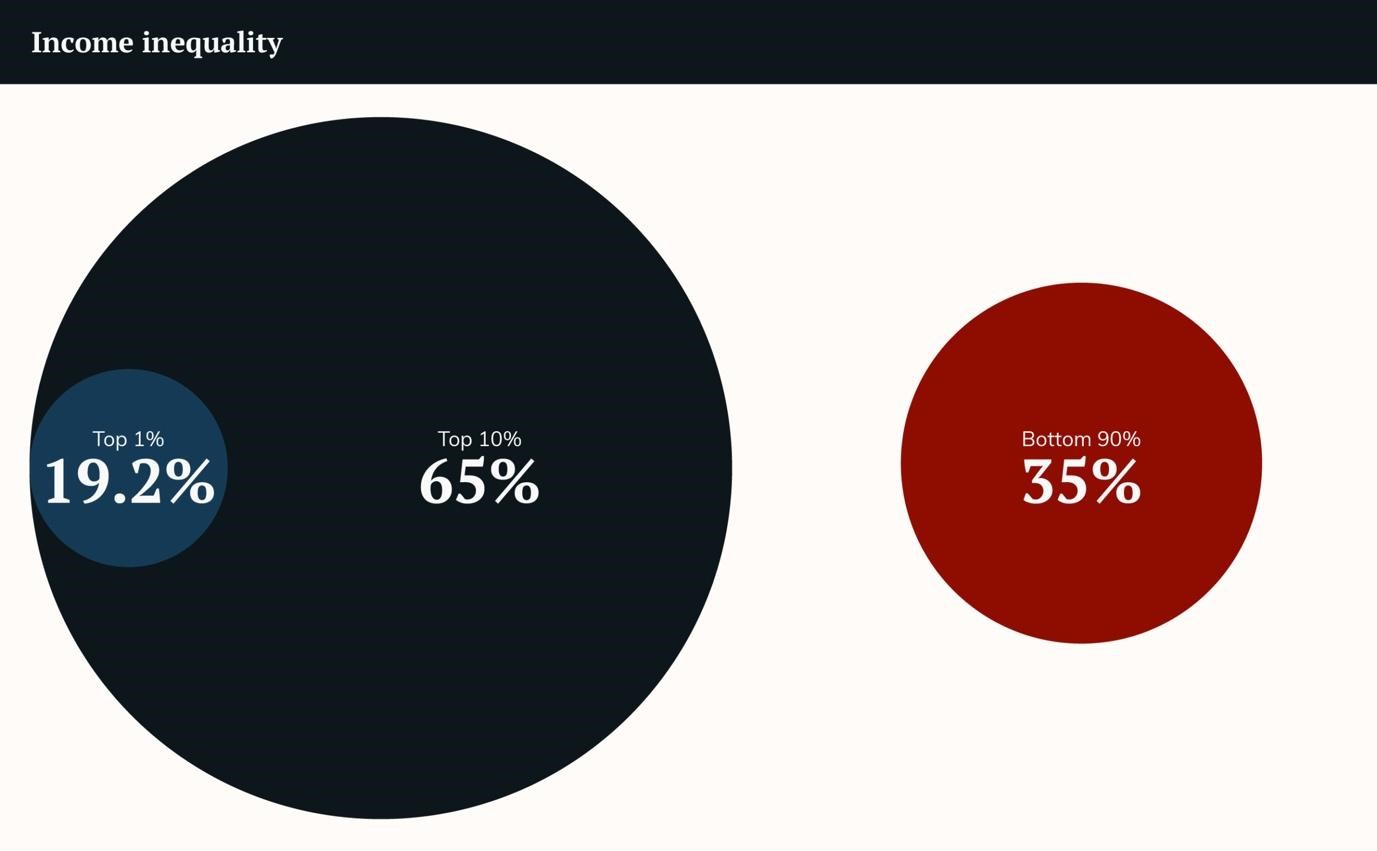
In South Africa, wealth and access to resources isn’t the only dividing factor. The legacy of colonialism and Apartheid have created a countrywide spatial plan that research by the Socio-Economic Rights Institute of South Africa (2016) explained seriously undermined the ‘other’ to access opportunities such as employment, transport, education and basic services thereby entrenching the divide between the have and have-nots.
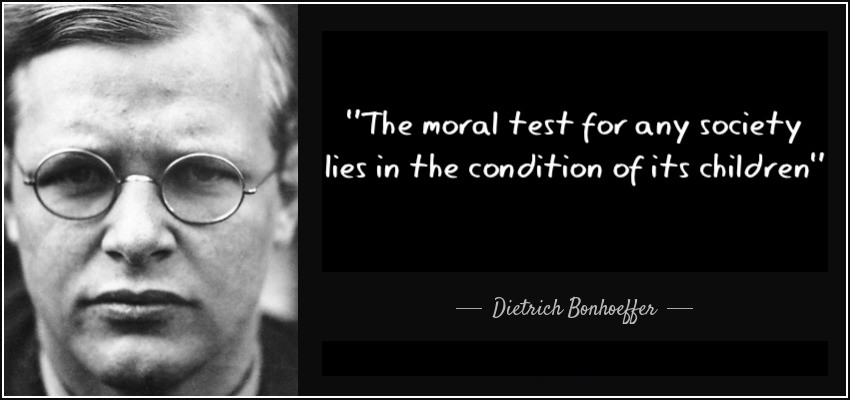
There are many wise words spoken on being the change in our world, a few noted below:


Using these quotes and understanding the indisputable levels of inequality in South Africa, the question must arise as to how do those of us engaged in research and academia ensure that our work, irrespective the field of study, is locally contextualized, relevant and addresses our societal needs, the most pressing here being socioeconomic justice.
In 2019 Prof Tawana Kupe became the first black vice-chancellor and principal of the University of Pretoria. Off the bat, he stated that under his tenure the university would focus on research that is relevant to society. In his own words, “Our research must address the issues that are most pressing to the communities in our country and on our continent. These include achieving food security and addressing climate change, unemployment and poverty, inequality and violence.”
From this vision, Future Africa emerged with the University of Pretoria as its base. The institute aims to mobilise African scientists across faculties and the continent to collaborate using multidisciplinary and technology-based research to develop innovative and locally contextualized responses to Africa’s most pressing societal challenges, in other words, research that matters.
This issue of study/research relevance often rears itself in the almost annual debate on access to institutions of higher learning, notably from the agenda-setting momentum created by the 2015 #FeesMustFall movement. Of late, there are even questions over whether we produce too many PhDs and if their research makes them employable or over-qualified for the market outside of academia? Without being specific, I recently participated in a postgraduate conference and was surprised by the number of research topics that I couldn’t connect the dots to tangible societal outputs. I wondered then, as I still do now if the new Vice Chancellor’s vision is for the university to produce socially required and relevant research, who is allowing and sponsoring the topics, not in line with this very specific objective? I personally research on improving public policy and implementation on food safety within the broader political rights of food security, to prevent another foodborne disease such as the 2017/18 listeriosis outbreak that caused many deaths, too many unnecessarily so. What are you researching? What are you supervising? What studies are you funding and approving?
Within this context as we continue and up the ante on the discourse over the decolonisation of education in South Africa, I argue that it would be socially irresponsible to place not only the number of graduates and PhDs we are producing and the costs thereof on the agenda, without a deeper understanding of the skills, research and studies that South Africa requires to actualize the vision espoused at the dawn of our democracy in 1994 of socioeconomic justice for all. As we move towards the National Development Plan and Sustainable Development Goals, both earmarked to be met by 2030, this question of the co-production of societal need-based research and skills needs to be even more urgently answered. Government and civil society must work with academia to establish the short, medium and long-term research goals required to fulfil constitutional and international obligations such as meeting universal human rights as well as achieving the strategy that best serves our national interests.
Using this framework, institutions of higher learning, need to create enabling environments to produce the skills and research that our society requires to develop and compete on the global stage. Ultimately, this means that you (and I) need to ask ourselves the tough question – ‘does my study contribute to an aspect of acknowledged societal need or is it simply because I am interested in the topic and have the time/money to pursue it?’ There may come a time in South Africa where we will have the luxury of studying at our whim and passion, but surely that time is not now in 2020 when we have 29% unemployment, an average of 17 million social grants paid annually for basic survival, a quarter of the population living below the food poverty line and a reminder again that only 10% of the population earn 65% of all income generated.
Laurie Buchanan wrote ‘whatever you are not changing, you are choosing’.
Read that again academics.


 SAYAS BLOG