Education as a public good: is it any good for the public?
Born in Piet Retief, Mpumalanga in 1988 to two loving parents and two caring older siblings. I completed my schooling in Piet Retief (now known as Mkhondo) and was the first Indian/Black student in the local and previously staunch, ‘white-only’ Primary school.
After completing my BEd, I moved to Cape Town, SA. It’s here that I noticed the massive injustices that are still prevalent in the majority of our schools and neighborhoods. These Educational injustices can be explained by severe inequalities between the poor (usually black) and the rich, and a strange Economic dependence on Neoliberalism & Capitalism, which only furthers these inequalities.

My experiences have made me realize that South Africa’s segregated past has played a vital role in our current situation and cannot simply be forgotten or erased. With this motivation (i.e. to understand our complex and unequal education system), I enrolled in and successfully completed my Honours in Educational Management (Cum Laude) in 2017 as well as my Bachelors of Theology degree in 2018. These academic experiences have encouraged me to enroll for a Masters degree in the Educational Policy, Leadership & Change stream at UCT (University of Cape Town).
I am Pro-poor in my worldview and outlook in life, meaning that I am an activist for those who have been side-lined and neglected by years of discrimination and hatred. I wish to contribute to the improvement and success of South Africa by making sure that each and every one of us have equal access and opportunity to our most basic necessities, namely a quality education, quality healthcare, an honest means to make a living and the freedoms to live and worship in the manner and ways in which one chooses. These basic necessities are rights that, according to our constitution, are afforded to every South African citizen. In reality, however, it is plain to see that in today’s unequal South Africa these necessities are seen as privileges that only a select few can possess.

Education, being a case in point, is – according to article 29 (1) of our constitution – considered a public good in South Africa (a good provided by the State for the benefit of its citizens). The actual outworking of this however, shows us that Education is a commodity that can be bought and sold, often leaving out the majority of people who do not have the resources to afford an education that is usually of a much higher quality than what is provided by the State. Examples of this are the vast majority of private schools, the fact that public schools have the option of charging school fees (of which some charge more than private schools) and the newly implemented Public-Private-Partnership project, known as Collaboration Schools in the Western Cape.
My educational journey and research is focused on the above mentioned oxy-moron and specifically how the notion of Education as a Public Good has changed over time; how it has been affected by Neoliberalism, Capitalism and Privatization; and monitoring how it has warped into something that does not benefit society, but actually causes more harm than good by increasing the dangerous inequalities that have plagued South Africa since before 1994.

In the weeks to come I wish to explore (through my blog posts) this idea of Education as a public good as well as my own personal enigma and journey of working in one of South Africa’s most prestigious public schools, I do hope you will join me for the ride!
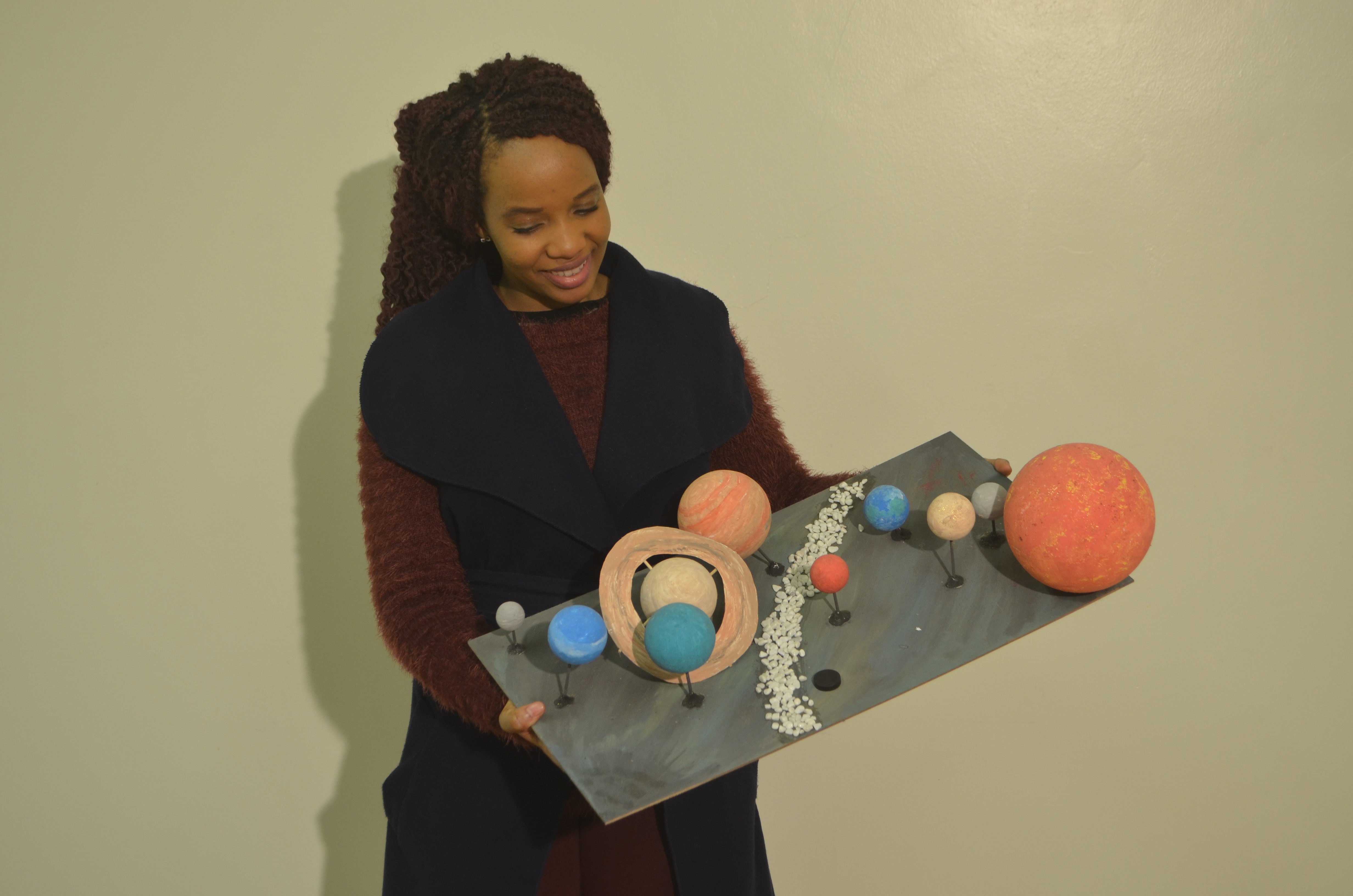


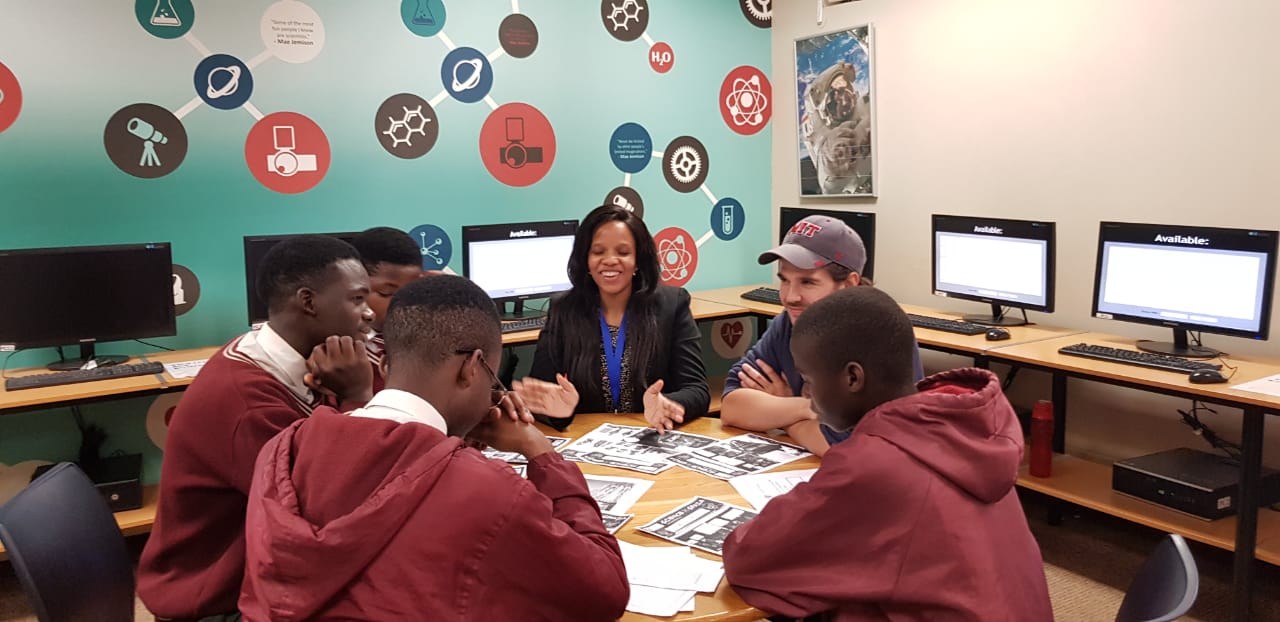 When I finally attain that ‘Dr’ tittle, I would like to establish a mentorship programme that guides young girls that are science enthusiasts. I have also personally encountered that no matter how brilliant your science is unless communicated effectively, it will never make a great impact. This led me to the idea of technical science writing retreats for postgrad students; it is a dream I intend to fulfil in the near future.
 SAYAS BLOG