The Gemini Problem

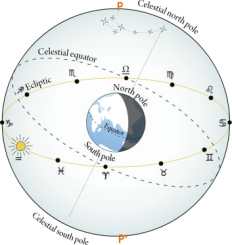
There are two words that will upset most astronomers – ‘astrology’ and ‘aliens’. Although searching for extraterrestrial intelligence has embraced the scientific method in recent times,  (Area 51 memes aside) and the consensus amongst historians and astronomers is that human beings built the pyramids, astrology becomes more mainstream by the day. A recent video clip from The Bachelor Australia that has been making the rounds perfectly captures how most astronomers feel about this situation. So it got me thinking about pseudoscience and astrology in particular.

On the one hand, things like astrology are pretty harmless and have helped people with things like self-improvement and introspection. All of us (including myself) have beliefs that we follow that aren’t scientific at all but improve our lives. On the other hand, we have climate change denialism and the anti-vaccination movement that are causing serious harm to us as human beings and the planet as a whole. The trouble is figuring out where to draw the line. 
WhatsApp Image 2019-07-29 at 14.05.12

Something else that bothers me about astrology is how it is specifically targeted at women. Young women who are interested in stars and space might be directed to a Refinery29 article about ‘black hole astrology’ (I refuse to link to it) instead of an article talking about the amazing scientific achievement that several women were involved in. Because astronomy is a field where women are underrepresented, it can be frustrating when you want to encourage girls to become scientists but all of the content targeted towards them is about astrology instead. 

My natural reaction to these posts is usually ‘No!!! You’re wrong!!! That’s not how this works!!!’ and panic, rather than taking the time to stop and listen to the other person and understand their reasons for following whatever they are following. Maybe they’re concerned about their children’s health. Maybe the politician that they trust told them that there are more pressing matters – like poverty and a weak economy – to worry about besides carbon emissions. Sometimes – like in the recent debates about plastic – people are living with disabilities and other concerns that you haven’t taken into account.

Added to all of this is that science is complicated. Many people have been told that they are not smart enough to understand something difficult or that ‘Western’ scientists aren’t to be trusted. 

While explaining complicated scientific concepts in a simple way is a challenge science communicators embrace, science remains intimidating to many people. And it is very easy to insult and belittle people – especially when you are (like I’m sometimes guilty of) coming from the ‘I’m a scientist who knows everything’ perspective. 

Like any good scientist, I am trying to figure out a methodical way of engaging with people around controversial topics. So far, I’ve come up with a few different questions to ask myself: ‘Does this belief cause harm?’, ‘Is this a stranger on the internet or someone I know?‘,  ‘Am I educated in this topic well enough to properly counter their argument?’, ‘Would I be insulting a traditional/marginalized belief system?’ and ‘Have I listened to their reasoning behind these claims?’. I think framing my responses to situations with these questions in mind will help my science communication be a little less frustrating and a lot kinder around controversial topics. 

How do you deal with controversial topics and pseudoscience that overlaps with your field? If you have any advice or questions that you ask yourself, please let me know!

Am I a good or bad postgraduate student?

Over the years since I started my postgraduate career, I have come across a lot of different kinds of people. I have seen students who spend all day from 6 am to 9pm (or even later) at the office; those who disappear from campus for weeks in a row; those who spend all of their time in the lab doing experiments; those who are in the office every day with Facebook, Twitter, Youtube and their email (to make themselves feel better) tabs opened; and those who come occasionally for tea time and leave immediately after lunch. People are different and depending on what research you are doing, there are different expectations for each one of us.

Those doing theoretical/computational research do not necessarily have to be on campus every day (if they have a really good internet connection at home); as compared to those who have experimental work and are required to be in the lab to get experiments done. Like I said, people are different and we do different research, therefore, there are different expectations for each one of us. It is not fair or right to expect all of us to have the same work schedule. Some people work better at home than others. Just like Sesethu mentioned in her July blog post, all fields matter and we shouldn’t look down on others because they appear to not be putting as much effort into their studies like we do.

1.png

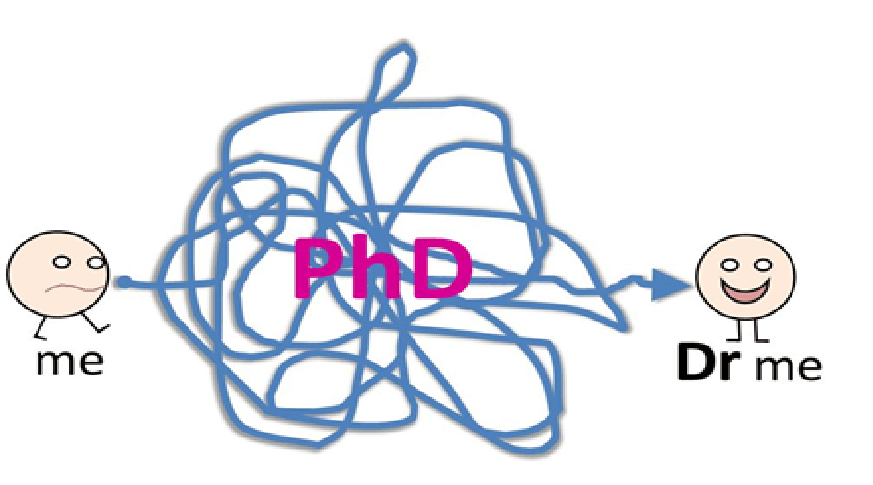
I am one of those people who do experimental research and is expected to be on campus most of the time doing “experiments” but strangely enough, I fall under the “occasionally showing on campus for tea and leave after lunch” group. In the beginning, everyone would comment on how scarce I was and that I must be working really hard in the lab doing “experiments”. I would laugh and agree with them to make myself feel better that I am working very hard and being a good student. Unfortunately for me, this lie caught up with me and now everyone is shocked to see me on campus after 3pm. Is there such a thing as being a “good” postgraduate student? Well, I googled it and to my surprise, there wasn’t much on the topic but I did find something worth reading.

I am particularly happy with this one set of slides I found by Dr Sherry Beaumont. Nowhere does it say that I need to be in the office all day every day to be a good postgraduate student (which is fantastic news for me since I struggle with that). The slides give pointers on what the definition of a successful graduate student, what the characteristics of a good graduate student are and how to be a good graduate student. It is very consoling to me that I can say I follow some of the tips given but I still need to work very hard on this “being a good postgraduate student” thing.

I decided to change my search from “how to be a good postgraduate student” to “how to be a successful postgraduate student”. This search, on the other hand, yielded many results, I literally could not choose which page to open first. Since I like things summarized for me, I decided to go with a post by The Grad Student Way.  They published a post on 10 ways to be a successful PhD student; while choosing the right University is one of the most important things to consider, it is also important to stay passionate about your PhD. It is also very important to learn as much as we can, network, communicate, work hard, preserve, stay productive, read and publish. The last two are very important; you can never read enough, there are so many published papers out there for us to learn from and the best way to show all of your hard work is through publishing.

2

If the journey to a Masters or PhD degree is not straightforward, how are we expected to behave in a certain way? There is no such thing as a good postgraduate; as long as you put in effort, dedication, commitment and stay passionate then you will conquer the bumpy road towards the red gown. Let us continue soldiering on to become successful postgraduates students, I mean, why be good if you can be successful?