In any other year, the title of this blog would be ‘in 2017/2018/2019 I would like to travel the world’. Travelling makes me happy, from the moment I start planning my trip to the day I return home and many years later. Travelling has always given me a sense of freedom and independence, and has provided long lasting memories and friendships. Some of the absolute best memories of my life are from my experiences travelling overseas. I often share these memories and stories to friends and family whenever I reminisce about my experiences. I have been fortunate to visit Portugal, Brazil, Australia, America, and Indonesia.
My personal travel plans have revolved around overseas trips. Regrettably, I have not made similar plans to travel around my home country, South Africa. South Africa is an incredibly attractive destination for overseas tourists, and I have not taken advantage of enjoying what my country has to offer.
South Africa is an amazingly diverse nation. The diversity of this beautiful country is not limited to its people, cultures, and languages. The rainbow nation is also home to a wide range of travel destinations. We have deserts, forests, snow-capped mountains, warm and cold oceans, vineyards, and sandy beaches. It saddens me that with all these attractions, I have somehow always looked to travel overseas, and I have not fully explored my country. With the global pandemic, this is the perfect opportunity for me to travel local.

As South Africa is currently on national lockdown level one, locals have been encouraged by SA tourism to travel locally whilst adhering to the National Institute for Communicable Diseases (NICD) Covid-19 guidelines. Local support of the tourism industry is especially important as many countries have placed continued and far stricter restrictions on travel to South Africa due to the new coronavirus variant which was identified in December 2020.
The tourism sector is extremely important component of the South African economy, directly contributing 2.9% to the gross domestic product in 2016. An estimated R68 billion has been lost to the tourism industry, including 300,000 job losses during the pandemic due to national lockdowns and restricted international travel to South Africa.
The advantages of travel and tourism in this country are now extremely enticing to me. This is even more so now during the pandemic, when South Africans have limited international travel options. Upon arrival to a new country, South Africans are likely to be denied entry or have to undergo a period of quarantine, not much of a holiday.
Many local activities can be enjoyed outside and in open-air spaces under the warm South African sun. Travel destinations are not limited to specific provinces and are country wide, meaning that I can enjoy these areas without having to travel too far or book an overnight stay. So far, I have enjoyed day event activities including hiking/trail walking, mountain bike riding and an Acrobranch adventure course from areas in Gauteng. Of course, these activities were much cheaper than travelling to another country, are relatively Covid-19 friendly, and I get to share experiences with friends that usually would not be able to accompany me on an overseas trip.
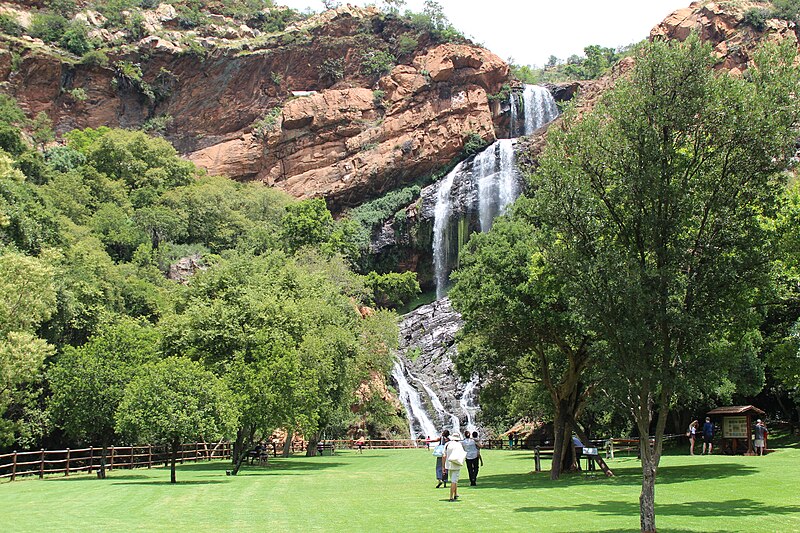
My plan is to visit each of Gauteng’s nature reserves, once per week, for the foreseeable future – I have counted at least ten great destinations that I have not been to, yet. Small plans can turn into bigger plans and I am hoping to explore other provinces this year.
In recent months, I have noticed that social media is filled with South Africans enjoying the outdoors. Posts that used to show people in crowded clubs before the pandemic are now showing people posing in front of waterfalls with their masks on. These posts have had a great knock-on effect as many people are keen to spend more time in outdoor spaces, where perhaps they would never have even thought about venturing outside before the pandemic.

I have always been an outdoorsy person, I am sure that many more South Africans have caught the adventure bug and would most probably look to travel local, not only during the pandemic, but far into the future. Clearly South Africa is extremely attractive to overseas tourists, so I thought to myself, why not enjoy what your country has to offer? I am planning to put that thought into action this year.

 SAYAS BLOG