I recommend listening to this song by “Watershed – Don’t give up” whilst you read the blog 🙂
Ekunyamezeleni ukhona umvuzo! Those who know what this means and understand it probably think it’s a cliché but don’t you think it’s funny how clichés more often than not hit the nail on the head? The above IsiXhosa phrase means, “If you persevere and stay true to your cause then you will be rewarded’’. As I go through social media I notice a lot of entitlement and privilege, but people often don’t appear willing to work hard to achieve a worth-while result. I have always believed that with timely planning, results are assured, and persevering through a plan is not that hard. However, as a MSc student, I have come to realize that even the best-laid plans require a LOT of perseverance and grinding of teeth… You don’t believe me? Well, keep your eyes glued to the screen.
For three months after I registered for my first year Master’s degree, I was busy with my proposal and minding my own business. Things like the background, problem statement, justification and materials and methods of the study. Being the perfectionist that I am, I had everything planned out, from my proposal draft, submitting and correcting any errors, presenting the proposal, applying for an ethical clearance, procurement, starting the trial, collecting data and analysis to finally writing up the results. I had planned to wrap-up my MSc studies within two years as it should; but God (and many, many administrators) had different plans for me. What was to unfold the next two years is something that I’m sure most postgraduates can attest to: there is always an obstacle to fulfilling your plans. Don’t get me wrong, I didn’t say there’s always something that stops you from reaching your goals, I’m just saying there’s always something that delays you from your goals. Either you fail to get funding, you can’t acquire the apparatus needed in your methodology, you struggle to get laboratories to analyze data the way you want, or even the quality of the experimental animals that you get isn’t good enough.
The first six months for me were smooth sailing, writing up, presenting my proposal and getting it approved… So, I wasn’t ready for what was to happen next. I needed to order experimental seeds. Easy, right? Not so much! While waiting for the seeds (after completing tons of paperwork), I stayed busy with writing and reading experimental papers. But then suddenly it was September and I should have started Phase 2 of my project. Was I on track? No! My supplier was wondering where the payment was, and so was I…Lots of hassling and waiting followed… Upon delivery, the proximate analysis was conducted on the seeds to have nutrient specifications for dietary formulations; the results took a month or so to get back. Dietary formulation took its own time; it was not until of my second year registered that it was finalized.

It was only at the start of my second year that I could start ordering experimental apparatus. And right then, I received an offer to be on the Professional Development Program (PDP) at the Agricultural Research Council (ARC) in Pretoria. I was very happy to have this opportunity, believing that I would be exposed to great facilities. I moved from Alice, Eastern Cape to Pretoria, quite overjoyed to have “arrived”. But there were demons even in this paradise. It took close to a year to procure feed ingredients and experimental birds… That was the end of year 2. And not a stitch of “real work” completed.
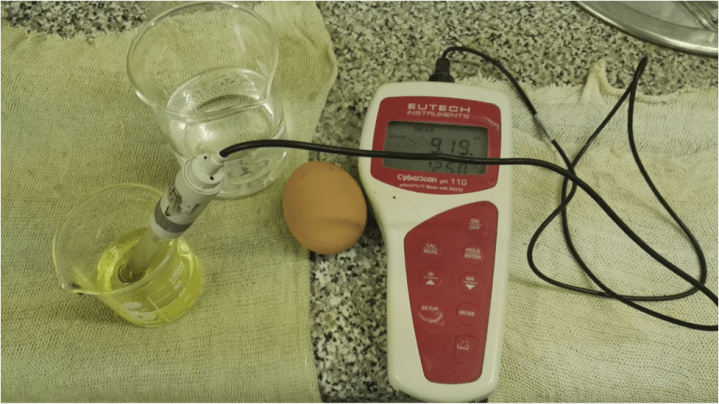 But with the birds in hand, I gritted my teeth and promised myself that I would make this work. To cut the long blog short, I’m now in the final week of my experimental study, doing data collection with a smile on my face. The moral of the blog is that through tolerance and perseverance there is great reward. And the perseverance is not usually something that you can show – it’s often simply a process of being patient, and trying to not scream in frustration or pull out your hair. Even though my Masters didn’t go the way that I planned but I am still grateful for the opportunity that University of Fore Hare and ARC warded me. What most people would consider as chaos in their eyes is simply well orchestrated organized chaos from the almighty in mine.
In a nutshell, be aware that your PhD or MSc won’t go according to your plans. But plan anyway; at least plan on getting some sleep and time to de-stress! The reward will be great, and hopefully you did not burn too many bridges when your plans go belly-up.


 SAYAS BLOG