Don’t judge a fish by how it rides a bicycle

Today at the ripe age of 26, I learnt how to ride a bike. It was an embarrassing process. Let me first say that I can’t blame my parents for my lack of cycling skills: When I was 5, I got my first bike. I had fairy wheels and a steep hill to kill myself on but my riding days ended right there. I was far more interested in science and the world of Roald Dahl than anything that mobile death trap could offer me.

So, how many degrees does it take to learn to ride a bike? Nearly 4, it seems.

Today’s lesson started out with a valiant effort from my boyfriend holding on to the back of the bike. He tried giving me tons of useful information but naturally I ignored him. I kept insisting that, “I know how a gyroscope works thank you very much.” But maybe for the first time in my life, I just didn’t trust the science. I insisted that if those wheels managed to keep me up it was sorcery and all the billions of people who had learnt to ride a bike previously were aliens.

I was surprised at how quickly I turned on physics just because I was failing. Was I one of one of those people that only believed in science when it was convenient? After giving myself a pep talk, I tackled the problem head on. Quite literally actually – I headed straight for a wall, followed by colliding with my long-suffering significant other. This experience has taught me several important lessons:

1) Sometimes it’s embarrassing to learn new things, but what’s worse is never learning them.

2) There is nothing wrong with being a well – rounded human AND scientist; in fact it’s the only way to live. I used to think that if I did anything other than science I would be a bad researcher. But embracing the world around you is the reason we are here- to live life and be fascinated by it.

3) Trust in science. It is, in its purest form, un-opinionated and unassuming. I was wrong to doubt you, Physics.

4) Be kind to your loved ones. You never know when you might seriously maim them when you are unable to operate a break on a mountain bike.

5) Let go of the labels that define you. I was the nerdy, sarcastic, smart person who was incompetent at any physical activity. Except I’m not – I can ride a bike well(ish). I used to be a disaster in the kitchen but it was only because I told myself I was. Now I cook all the time and do it pretty darn well. Who knows, maybe I’ll be Tour de Francing one day.

6) Be kind to yourself. That spills over into your PhD too. Don’t kill yourself trying to reinvent the wheel. Stand on the shoulders of giants, then get a little taller and let others stand on yours.

7) Life is for the living. Being a scientist means always seeking out new things and interrogating them. While many scientists do this in their work life they don’t always do it away from the pipette. Try to be the kind of person who fully embraces their life, even when it’s hard and little children mock you. Remember that you can drive a car and don’t rely on mom to chaperone.

Ultimately it didn’t matter how many degrees I had. It didn’t matter that I’m accomplished in many areas of my life. Don’t judge a fish by its ability to ride a bicycle. This is the proverbial fish signing off.

Attending conferences as a post-graduate student

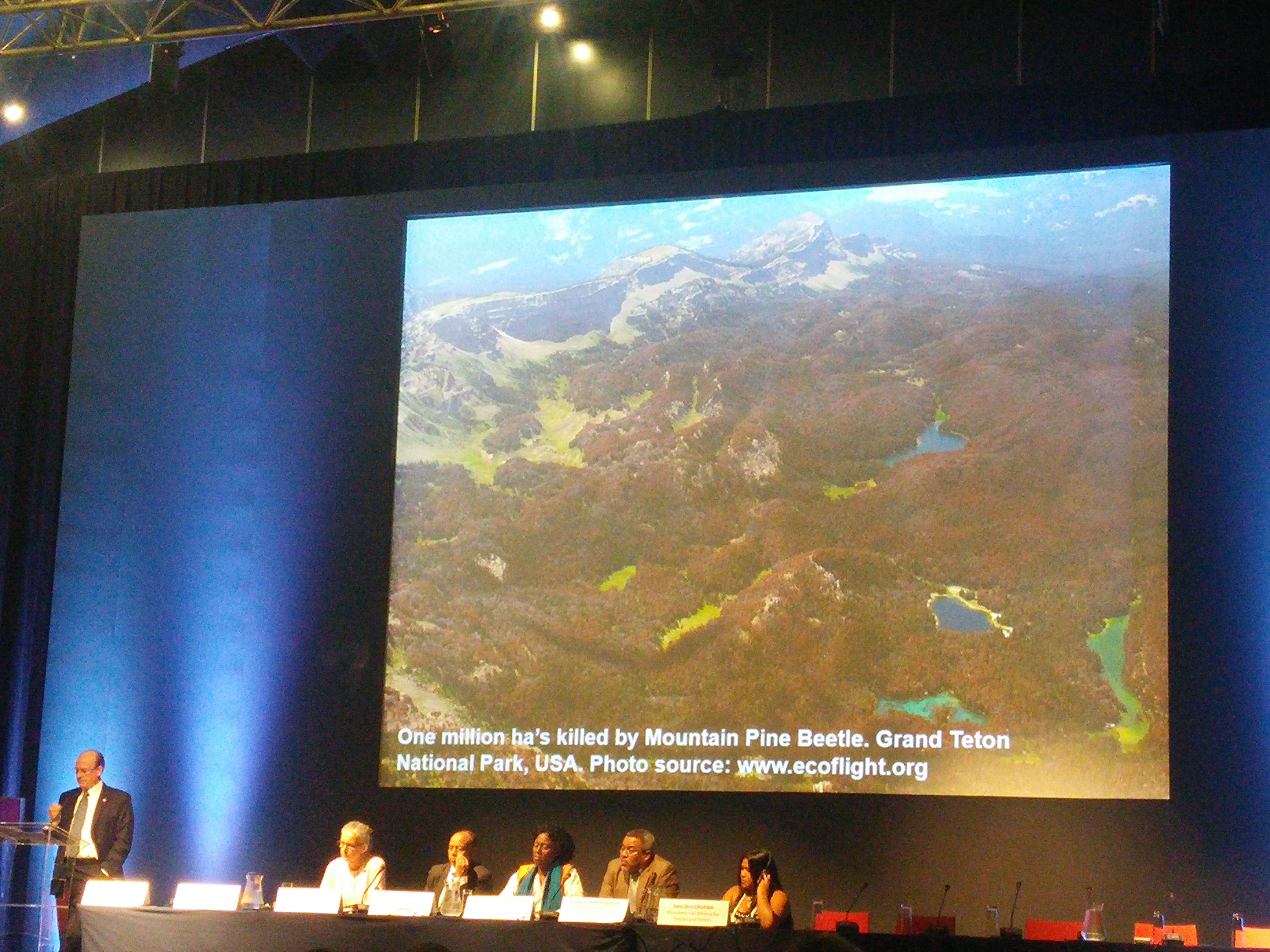
Conferences are more important for networking than they are for sharing or learning when you are a post-graduate student.

dsc_2338_15415498314_o

A conference without networking is just a proceeding of abstracts or papers. You may disagree, especially if you are shy, but depending on who you meet, attending a conference could change your life.

0907151058d_21186207076_o

The reason I am here writing this for you is because I met my current advisor at a conference.

0907151717a_21293742762_o

So what is the point of networking? Is it only useful if you are looking forward? Why drum up the courage to talk to the Prof or even the Minister of Science?


Even if you are not looking for anything, every meeting can still be beneficial. Below are some questions that you can ask any scientist. Even if you study biology and they study astronomy, or if you study plants and they study marine mammals, such conversations could be beneficial to you.

  • ask for advice (e.g. how does a young, South African scientist get ahead in the world?)
  • ask what they would’ve done differently,
  • ask about an experience they recommend (for an international student in SA for example)
  • ask about their personal story (what inspired you to become a scientist?)


The timing of conferences is certainly relevant to the pants you wear, but even if you are far from transitioning to a new degree or job, meet as many people as you can. If you meet someone outside of your field or someone irrelevant to your mission, ask if they recommend anyone at the conference that you should to speak to.

0906151953c_21184985022_o

Meet people that aren’t immediately relevant to your project, maybe they will inspire you to shift specializations, or alternatively, bolster your current interest. Conversations with strangers will help you find out more about yourself.


There is a positive linear relationship between the importance of networking and the time spent on your current degree, assuming you want to continue learning and pursuing science further after you finish. If you are close to finishing, and you want to continue on the path of advancing knowledge, treat every conference as a career fair, update your CV and make some business cards.


Perhaps the best advice I can give is to contact people ahead of time, especially for bigger conferences. Look through the schedule of presentations, take note of the talks relevant to your interests, and send those individuals emails. Introduce yourself and attached your CV. Then, when you meet them at the conference, you can say: “My name is… I contacted you a few weeks ago”.


Here are some suggestions for taking the next step to actually meet strangers:

  • Follow up with questions. Perhaps the most obvious is to approach people after their talks. This is generally well accepted and usually expected.
  • Eat with strangers. Less obvious but even more casual is to use meal opportunities. Pick a random table and sit next to someone you don’t know to eat your food. Then, start or join a random conversation.
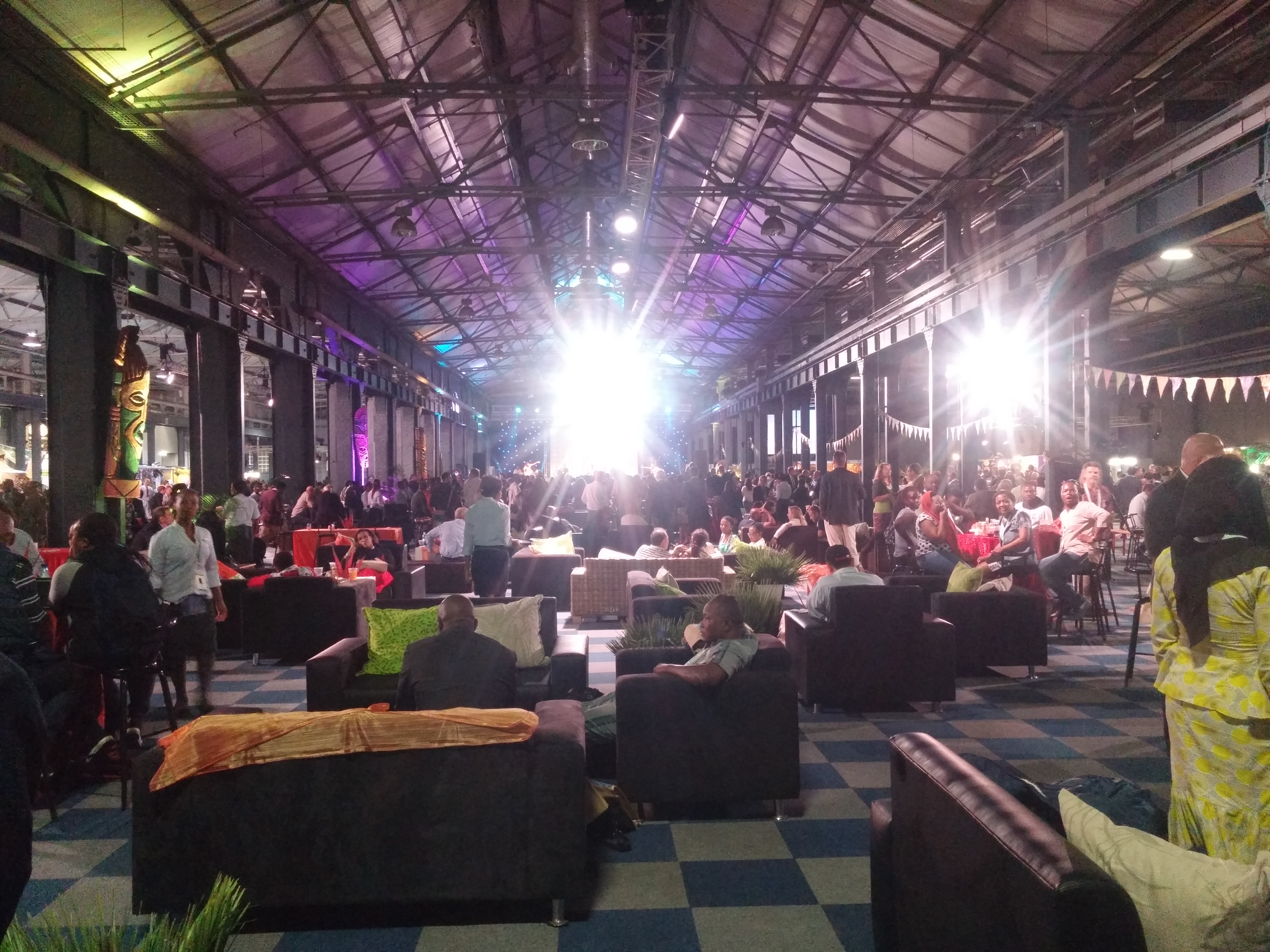
  • Attend social events. Many conferences also arrange social events, generally providing liquid lubricant to alleviate the awkwardness of scientists. Never miss a social event at a conference.
  • Use your poster as a conversation starter or activity. Stand by your poster more often than the actual designated poster session, check back occasionally to see if anyone is perusing it. Also, use your poster as a tool to explain your interests and current research, ask people if you can show them your poster and arrange a time or walk to it with them.
  • Meet people through twitter. Twitter is an incredible tool to participate in discussions centered on conferences. You can shamelessly promote yourself or your poster, or you can use it to have conversations, summarize a main point, add your perspective to discussions or talks, and set up meetings. “Hey I am at this conference too! Come by my poster tomorrow”

0908151051b_21293759452_o

There is enormous variation in science persona, but I am yet to meet a scientist unwilling to entertain a short introduction. Use these opportunities to ‘pick their brains’. Avoid the comfort of your friends and put yourself out there for one or two nights to maximize your conference experiences.