Rabies babies

By Keafon Jumbam
“Batties, batties! – we’ve just come across another dead batty.” For the past couple of months, this has been an almost daily radio call. In the beginning it was mostly unknown foxes on the growing obituary list, but our own have also joined the ranks… Ernie was the first to depart, followed by Bentley and then Bertha – the one and only project mom (gasp; there goes my existing link to maternal care studies!). To say we have been under immense stress would be an understatement. We live in constant fear of who will be next.

Initially, we couldn’t make sense of why batties were dropping dead like flies all over the reserve. An onsite vet dissected the carcasses but the cause of death remained unclear. Samples of the brain, lungs and heart were sent to laboratories for further investigation and the results came back positive for rabies. Then our panic really intensified because of the extremely high risk to ourselves. Rabies is often fatal in humans too, and I hadn’t taken any rabies shots yet, thanks to the public hospital policy in Phuthaditjhaba that wouldn’t administer vaccines unless the patient had been bitten and tested positive for rabies. I panicked even more as I reflected on a few instances in the past when I had been nipped in the leg by naughty batties demanding for more raisins. Was I already infected?

It turns out I wasn’t alone; some of my team-mates were also losing their minds over the outbreak and needed rabies shots and boosters. Orders for vaccines were hurriedly put through and although they arrived within a few days, it felt like months of waiting.

Newly collared and vaccinated foxes

The vaccines weren’t our only concern; we needed to attend to the batties too. It is the start of breeding season and we need to keep track of them as they disperse in search of mates. Thanks to issues with our suppliers, most of our batties lacked radio collars. What is more, the mate-search and pairing up process comes with fierce scuffles and territorial fights that further increase the spread of rabies in our population. And batties are so cute you don’t realize they can be deadly. Baine for instance, had wandered off to a neighboring farm in search of a mate, but was sent packing with bloodshot eyes and half of his head mauled to a pulp. The vets couldn’t have come at a better time – they attended to their injuries, vaccinated them against rabies and then collared them.

Alas it was too late for Bentley who was found dead upon the vets’ arrival. His badly injured brother Baine was by his side on the night he was found dead. The deceased’s partner – Catelyn – was in no mood to play the grieving wife; she had already found solace in the paws of another fox.

His brother's keeper: Ben and Baine used to be inseparable
His brother’s keeper: Ben and Baine used to be inseparable

And so we took our cue from Cat, stopped moping, and ended the stressful weeks with a party themed Rabies Babies, in honour of the lives we’d lost. Dressed up as doctors and nurses in white lab coats and dissecting aprons, we danced our sorrows away. And you know the party wouldn’t be complete without some shots right? 🙂
Poo-rification

By Keafon Jumbam

I recently attended three weeks of intensive laboratory training on fecal hormone assays – okay, let’s be honest: poop analysis. If you’re thinking- eeuw, you are not alone. Before embarking on this PhD degree, collecting poop didn’t cross my mind. I mean, who thinks about poop, right? Except, hard-core dieters and maybe crazy scientists? And now I’m one of them, patiently waiting on batties to – em – crap so I can scoop it up, much to the surprise of the batties themselves. But guess what, there’s plenty of power in poo. Let me explain.

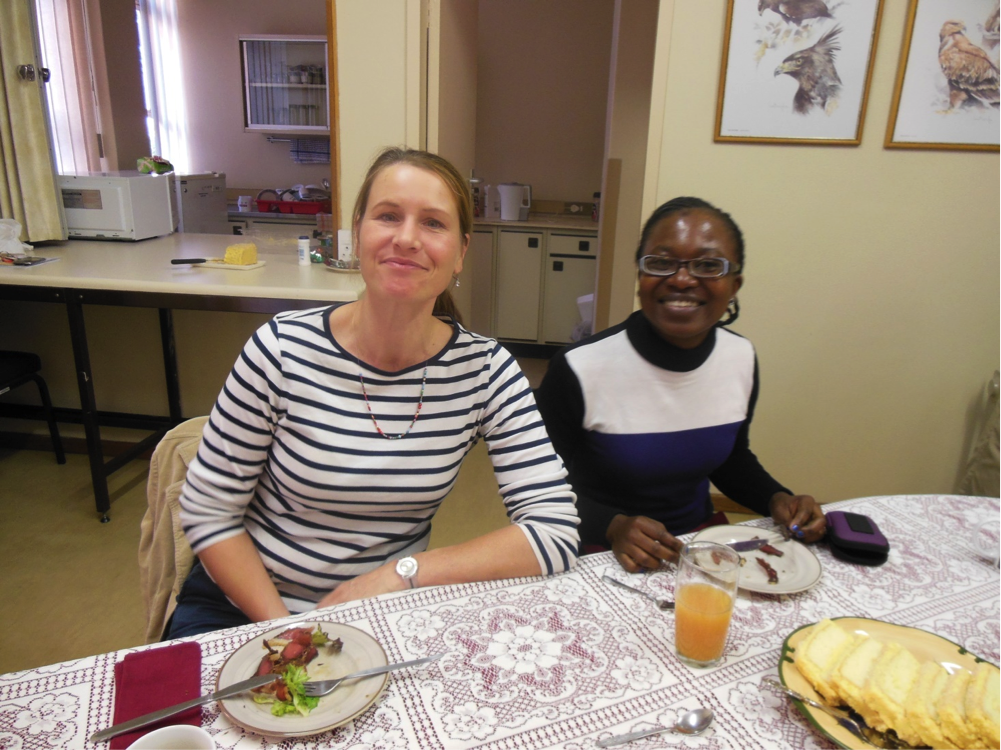
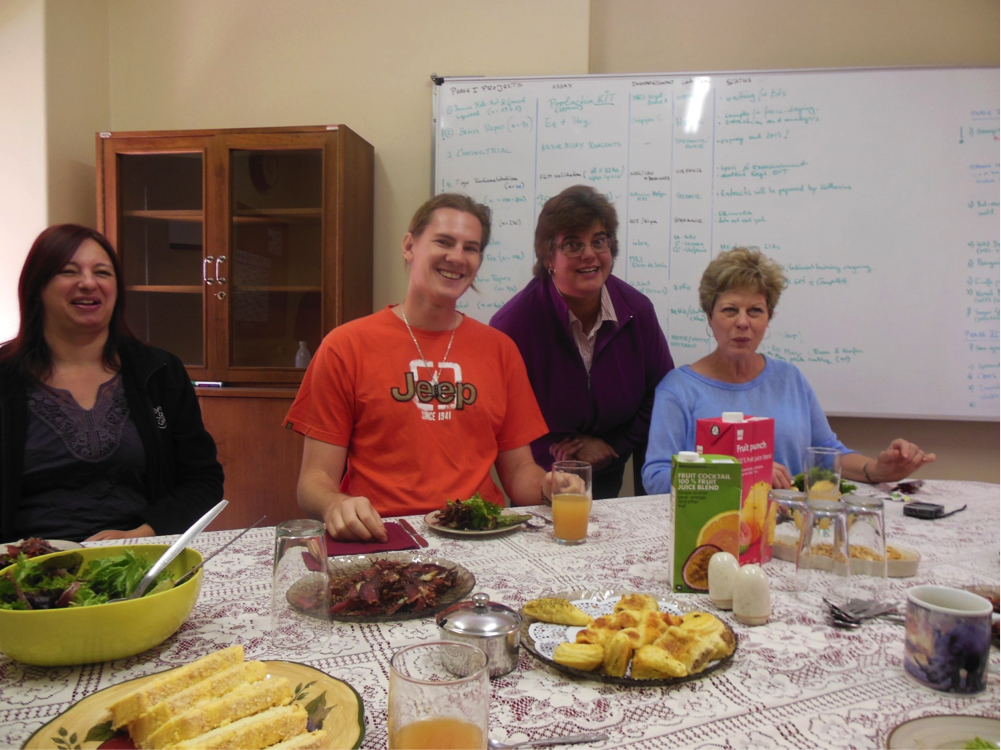
Lab work involves eating, naturally.

When stressed, an animal releases stress hormones into its system, which is commonly measured through blood extraction. But therein lies the catch: the very act of capturing and drawing blood from an animal is not only cumbersome but could contribute to further stress. And that’s not all; licensed personnel and strict ethical requirements are needed to carry out such operations. Thanks to recent advances in science, you can avoid all the above logistics by simply collecting poop. All you need do is wait for the animal to do its business – which in my case is pretty easy, since we spend time with them daily collecting behavioural data. The best part is that it’s a non-invasive and simple method of collecting scientific data without interrupting the animal’s normal activities. Once collected, it is crucial to freeze the samples immediately to prevent hormonal degradation.

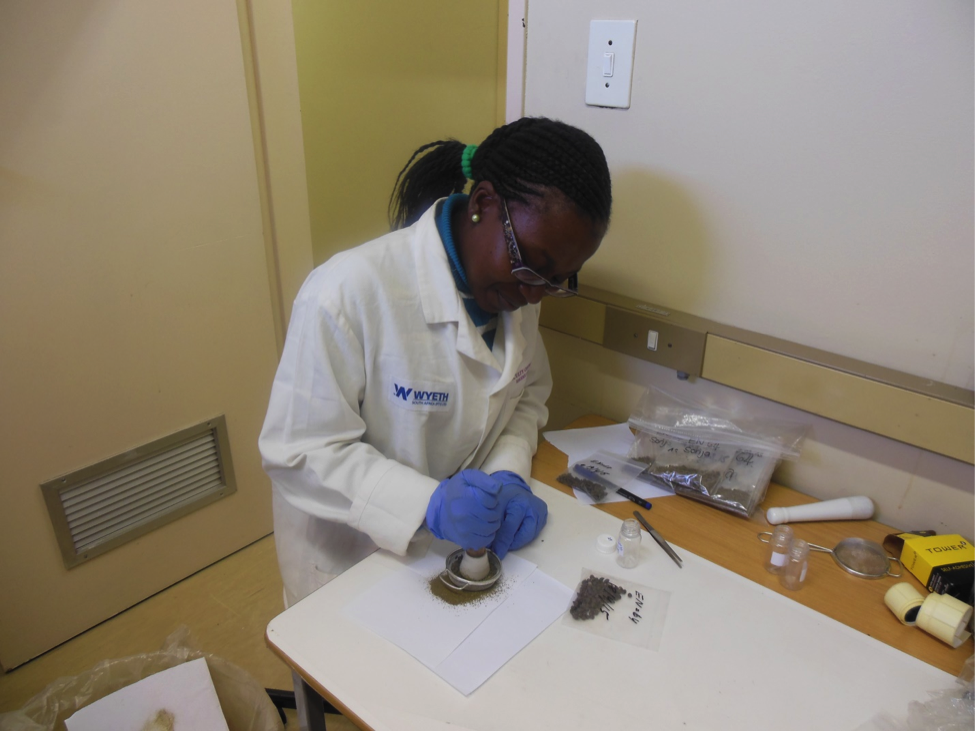
Poop pulverization
Poop pulverization

The fun begins in the lab when we play around with chemical solutions and extract hormones from the samples. Firstly, you freeze-dry the samples and then crush them before extracting the hormones. So now you have your hormone extract – yippee, but how much of it is in your sample? Caution: plenty of calculations and pipetting involved!

Practice makes perfect

A colleague and I had some pretty embarrassing moments as we quickly reached out for our cell phones when asked to do simple calculations and unit conversions. “You may be PhD students out there but in here, you are elementary level” a staff member joked. It didn’t help that our pipetting skills got worse as the weeks progressed – the harder we focused, the worse we got. “When you focus too hard, you tense up and make more errors. You need to relax and get into a rhythm that works for you” was the advice we got from the experts. We’re tough field biologists – who knew transferring liquids in a controlled environment could be so tricky?!

Stephanie, our patient poop tutor

Despite our failures, the exposure and experience we gained were invaluable. It was also comforting to know that it took the professionals several months of trial and error to master their art; we couldn’t possibly get it right in just three weeks. I must admit I have new respect for the challenges of a lab environment – it’s not all as straightforward as I’d thought. I went home in high spirits, looking forward to my next lab visit to perfect my skills. After all, practice makes perfect, or in this case, poo-fect!