Although many people want to know how long it takes to finish a PhD, the more important question is “What does it take to finish a PhD?” Perhaps the most significant characteristic of successful post-graduate researchers is grit. Sticking to it when everything comes undone. And sometimes, picking up the pieces and starting again.
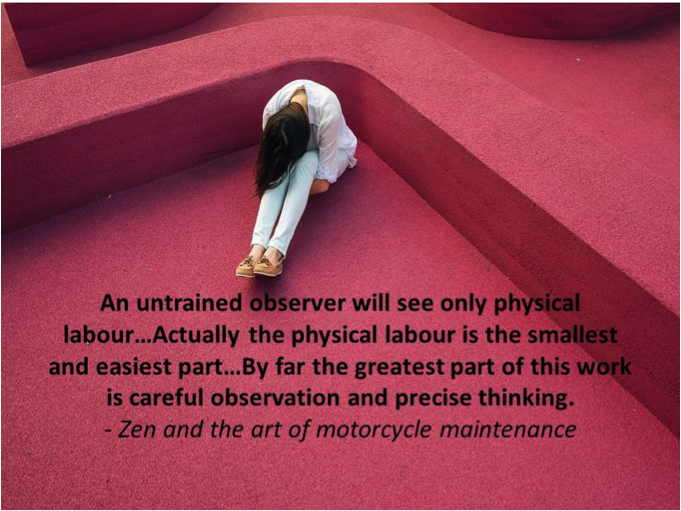
Two years into my PhD and the only word that accurately described my research to date was “abysmal”. As I’ve mentioned before, I’m not a microbiologist. I knew the project would be mostly microbiology but it sounded like an exciting challenge! The novelty wore off very quickly and what looked exciting 12 months before became an insurmountable mountain of work.
The theory eluded me. I could barely frame research questions because my fundamental knowledge was lacking. I would read the introduction of an article and feel so overwhelmed by everything I didn’t know that I obsessively downloaded every reference in the article, which in turn led me to download even more articles until I had folders in folders of unread articles that were labelled NB, Must read and Very Important.
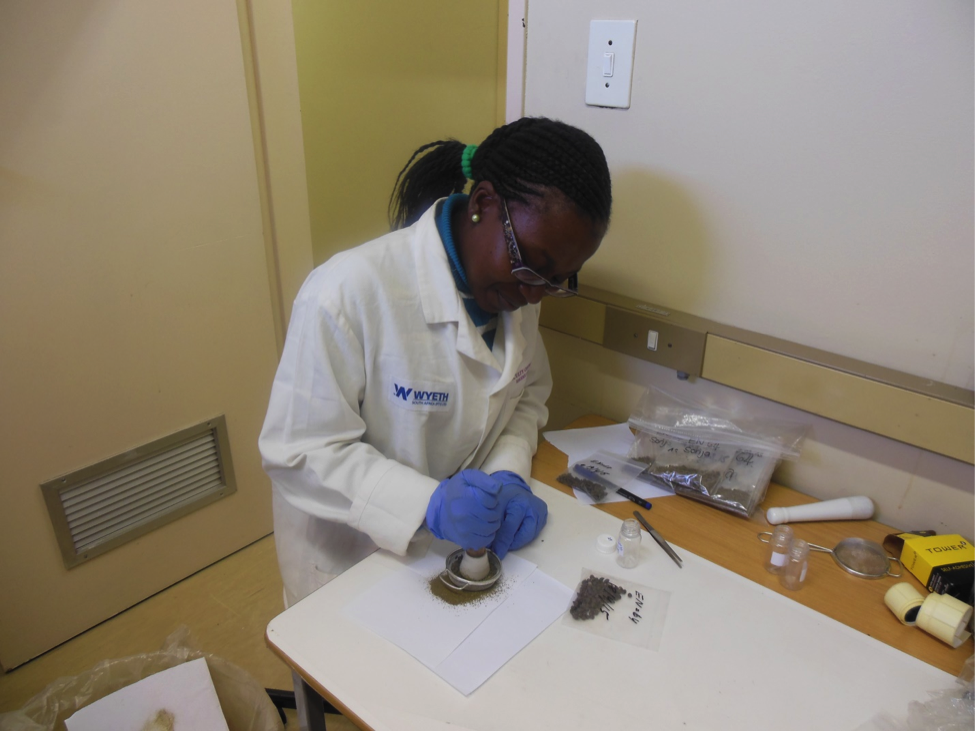
The practical work intimidated me. Never before was I concerned about a sterile workbench. I was so paranoid I used to mark a 20cm ring around my gas flame with masking tape so that I wouldn’t accidentally move outside The Clean Zone (but since I had two left-hands it didn’t help much). I melted a couple of latex gloves onto my fingers that year.
Days became months with no progress, months became semesters and each passing calendar page made me realise: I can’t do this. I prepared to give up.
Leaving my (dis)comfort zone

Then, at the end of Year Two, one of my supervisor’s collaborators invited me to visit his laboratory at Ryerson University. I would work closely with a post-doc to learn advanced microscopic techniques which were vital for my research. I was just married and had no desire to leave my new happiness behind but I had no alternatives for my ongoing academic despair so I boarded a plane to Toronto, Canada, for the two-week visit.
Reflecting on the experience three years later reveals how valuable it really was. I established great relationships (scientific and social). The post-doc (now a close friend) taught me with great patience how to use a fancy microscope and more importantly how to do the very basics I had struggled with for so long. There are things that books and articles can’t teach you – an encouraging, open-minded mentor is the only way.
Zen and the art of biofilm analysis
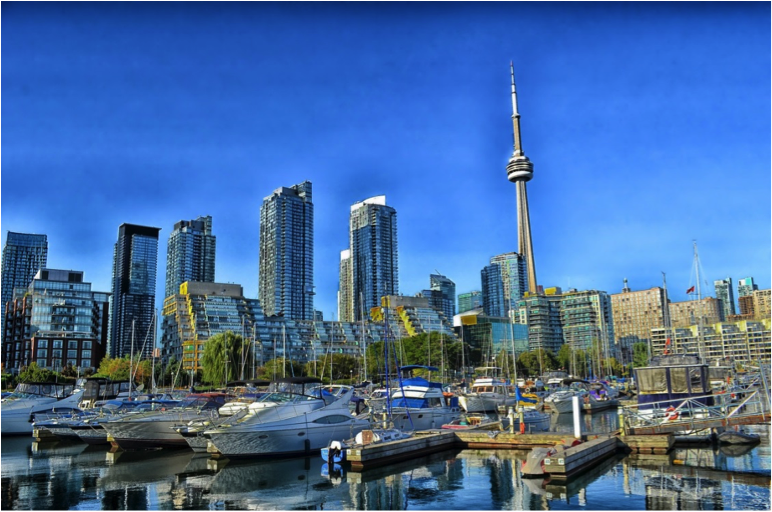
Every evening I strolled through the unfamiliar city. One night I found “The World’s Biggest Book Store” and bought a book that changed my scientific career in the most unexpected ways. Zen and the Art of Motorcycle Maintenance crossed my path at exactly the right moment. This book’s explanation of the philosophy of science, using a motorcycle as metaphor, stirred a passion in me that had been lost in the years of “I can’t do this.”
The solutions all are simple… after you have arrived at them. But they’re simple only when you know already what they are”
On my last night in Toronto I wrote a letter to myself titled: You almost quit your PhD. I wrote down all the things that scared me about the PhD. I wrote down all the things I couldn’t do. I wrote down all the fears of failure. I returned to Cape Town and handed the sealed envelope to my husband.
“Give this to me on the day I graduate, okay?”
I will read it at the end of this year.

 SAYAS BLOG