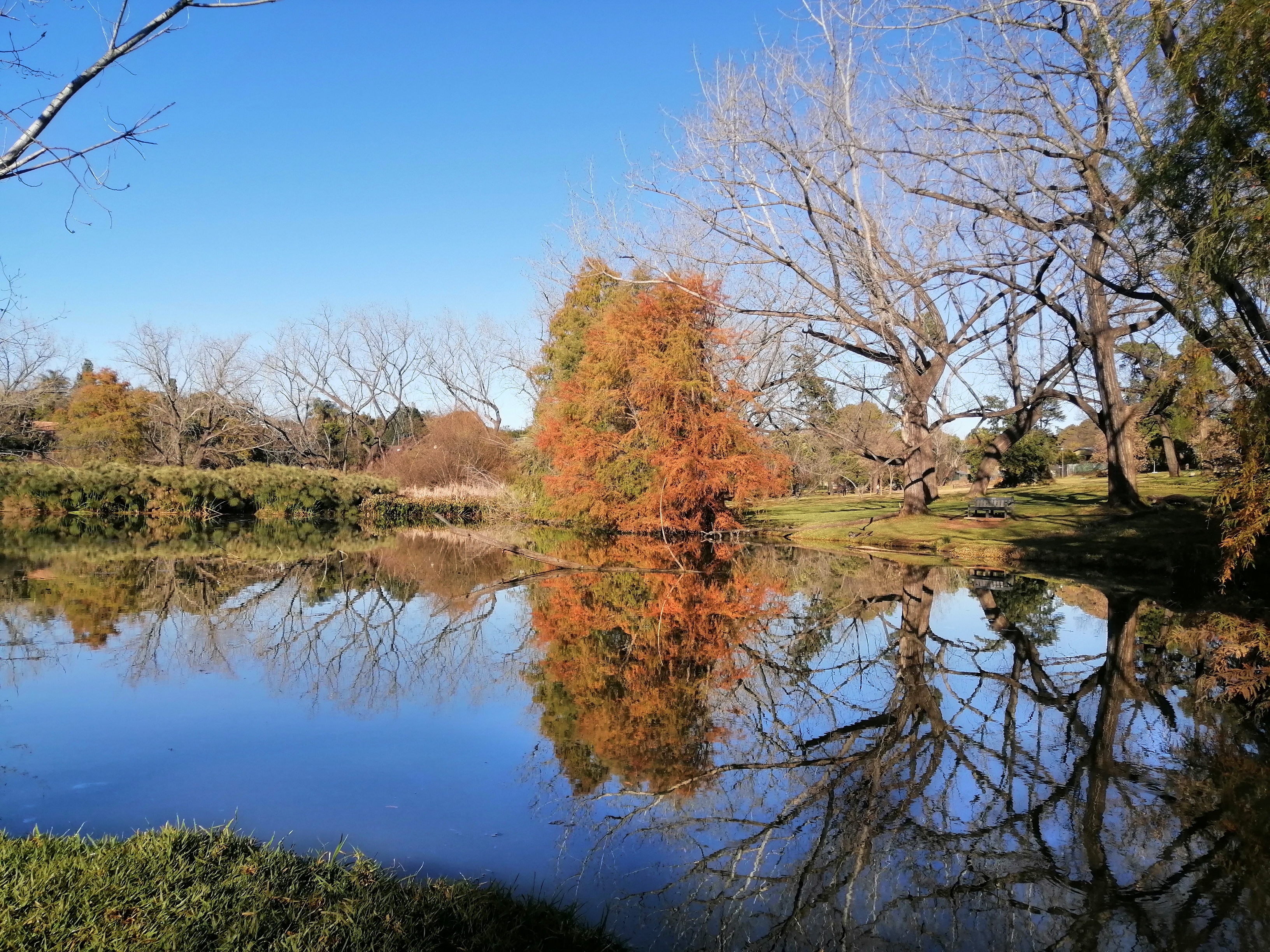
Where I look, there I am: in the water or the window, or as the person I engage with.
Reflection has punctuated many moments throughout 2023 while writing as a blogger for the South African Young Academy of Science. More than just offering moments for reflection, this opportunity at blog writing has gifted me moments of visualization; moments of resistance; improved listening; learned knowledges and peace. These moments, on a continuum, have become the variety of power tools in my life-skills toolbox.
Communication is a skill that requires training. All the styles, methods and tones of communication have appropriateness for certain settings over others. This, too, is a soft skill that requires practice. Here are some ways that I’ve been refining that skill to become a stronger, more assured communicator this year:
Words are my reflective tools. As a scientist, I have consistently remained curious; often unphased by asking the “wrong” questions or clarifying what someone means if it does not align with my identity politics or views. My responsiveness and inquisition have not always been well received. This has created tensions – some subtle, others palpable. It’s okay to make mistakes. Write, read, edit, rewrite. Whether journalling as a daily practice; expanding on research for a thesis; speaking out; or creating a monthly blog, when I use words the world around me becomes a mirror.
Resistance met me along my path many times. When I was told that we will have to create not one but two vlogs as part of our series this year, I felt resistant to express myself through audiovisual media. I had never been challenged in this way (as I am far more comfortable behind the camera than in front of it), but in softening my resistance I realized that I have a passion for communicating this way, too. I thought it may even be fun to try make one science communication YouTube video every month. Though the “YouTuber” life was short-lived, my friend and I decided to start a neuroscience podcast! Keep an eye out for that – it’s called WENA.
I have BIG dreams, and vast interests. Dreaming, though not necessarily an external form of communication, is my tool for visualization. This experience as a blogger has allowed me to ponder and daydream outside of my current project. Oh, I have so many delicious plans for myself! Keeping these dreams vivid propels me into my future. I really, really like state-of-consciousness neuroscience – from active learning, to sleep; psychosis; seizures; dreaming; neuroethics… This is what I imagine researching in the years to come.
I have learned what peace means, to me. Peace is not simply conflict avoidance, but conflict resolution. Learning how to foster my own sense of inner and outer peace in academia is a direct result of blogging; engaging; sharing thoughts. Connection and community are things that I must stoke and kindle to feel supported. In academia, this sense of kinship isn’t a priority for everyone. Make peace with that. Communicate with compassion. Sometimes, just leave things be.
Lastly, blogging has reminded me to engage with knowledges (credit to The Academic Citizen for teaching me about knowledges in their plurality) wholeheartedly. Engagement amplifies knowledges. My life as a neuroscientist, a science communicator, an activist and a student is enriched with all the knowledges that surround me: from National Science Week trips to Venda, to JEDI in science and art exhibitions. Interaction is both auditory and perceptive. When we are attentive and acknowledge the knowledges (and their sources) that are being shared with us, we are savouring the ripest fruits.
I am tremendously appreciative to my fellow bloggers for their pieces and the work that they are doing “on-the-ground”. In parallel, I am exceptionally enamoured with our editor’s warm and concise style of leadership. I have listened actively and learned so much from the 2023 SAYAS blogging team. Thank you, Lonwabo, Ijeoma, Mukhtaar, and Prof. Jen! In working with you, my expression has felt affirmed, supported, and authentic. To the people on the other side of the screen who read my blogs – whether in full enjoyment or slight dislike – thank you for receiving me as I am.
Feel free to reach out! a.neuro.jo@gmail.com or @johanne_marais

 SAYAS BLOG