Walk the talk

By Davide Gaglio

It’s time for the 2nd World seabird conference! I am very excited to be a part of it and luckily it happens to taking place in Cape Town this year. An international conference is an important step for a PhD student, and I get to meet my heroes in seabird research! Researchers from institutes all of the world will be gathering this week at the CTICC in Cape Town.

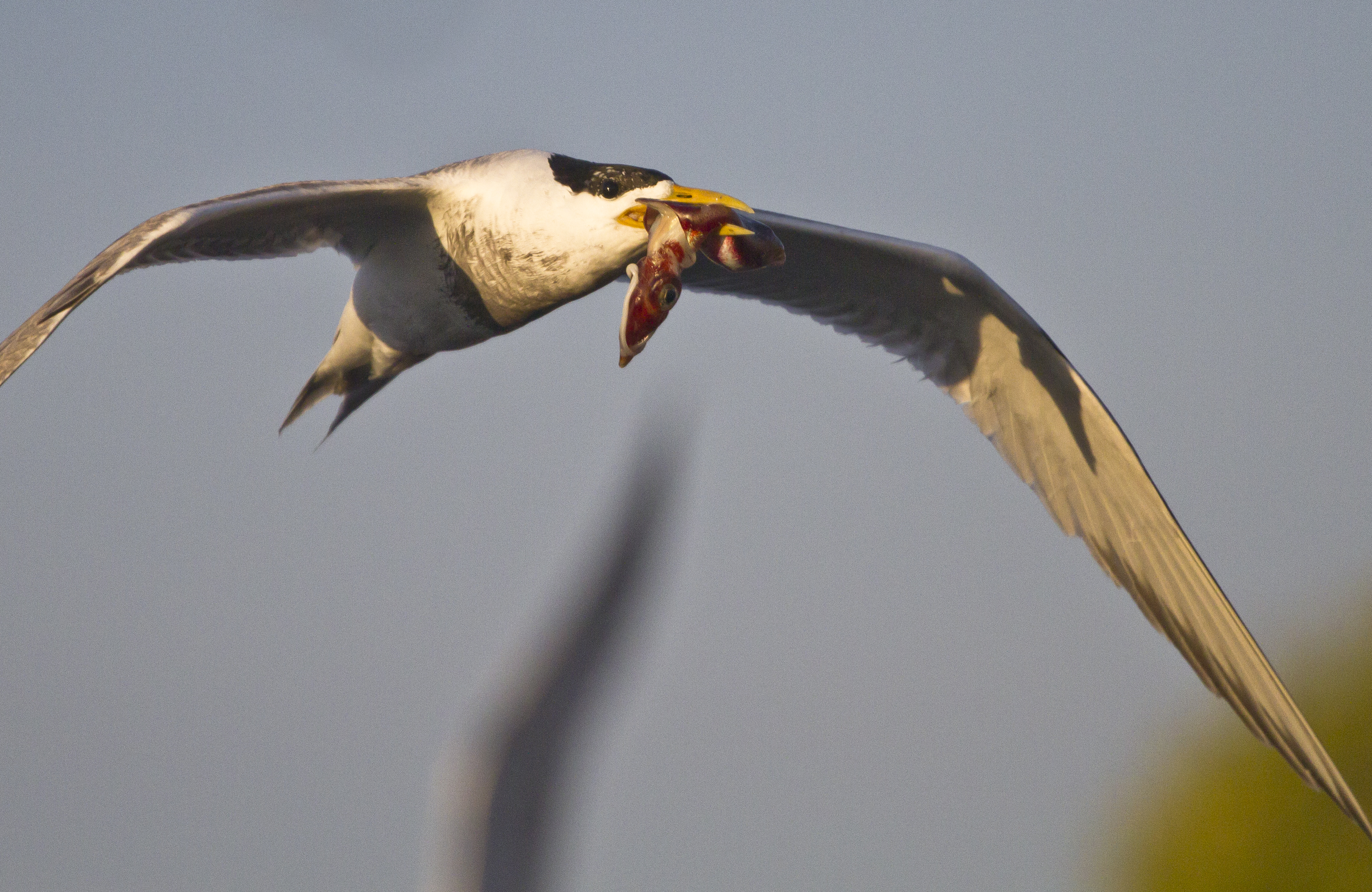
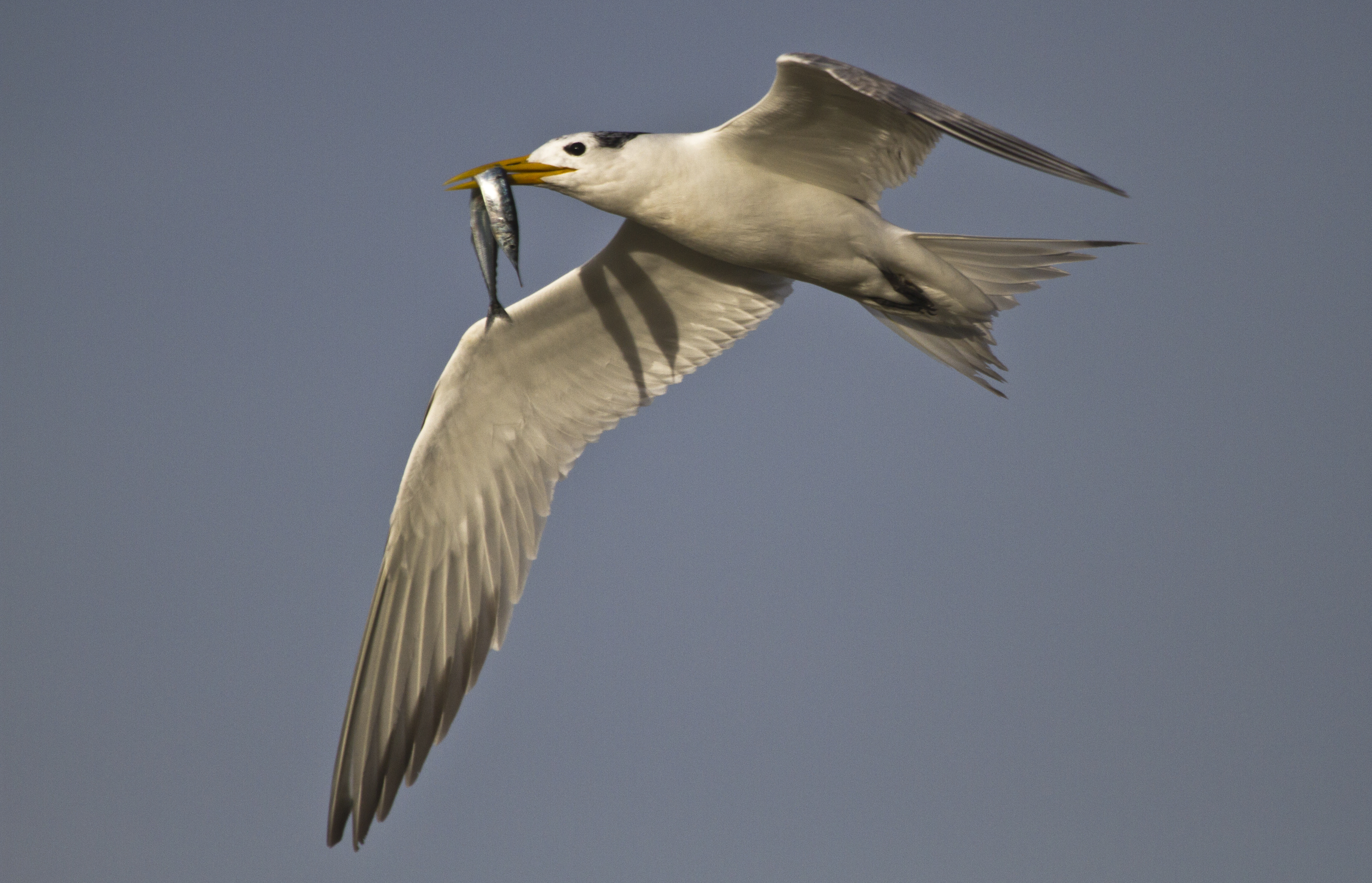
This conference will give me the chance to make a lasting impression that could make a huge difference to my project and my future career. It will give me the opportunity to showcase my PhD and in particular follow up on my mission to convince everyone that “not only penguins are cute… but also Swift Terns!” (But maybe I’m shooting myself in the foot with this mission — recently I won in the Oceans of Life Photographic Competition with a cute penguin photo…) It’s probably the most important international photo competition on the marine environment, so to be one of the winners makes me feel very privileged and super-excited! And I can’t wait to see my picture displayed at the conference!
I’m starting out right with the photo, but I’m a bit stressed about my talk… So I thought I’d share some suggestions, which I found helpful.

1) Be yourself

Figure out what my “natural” presentation style is, is crucial. Ok, English is not my first language…but I always try to find a way to entertain my audience! I will start my talk with an old Italian say “Tell me what you eat and I will tell you who you are!”… good intro to show a dietary study, right?

you are what you eat

2) Preparing slides

I’ve been told that when it comes to slides, less is more. There is not point to rush through 50 slides in 10 minutes. The bulk of my talk will be 5 or 6 slides, which will be focused on the results. I mean, that’s the interesting stuff, really – who cares about the boring background detail?

3) Be clear and concise

My goal will be to make the audience remember my focal points, trying to highlight my primary message more clearly. I want a broad audience, not just experts in my field, to be able to understand my results. So I won’t ramble and I won’t use overly complicated language.

4) Engage your audience with illustrations

… “I DON’T WORRY ABOUT THAT!” I have plenty of photos!

5) Handling the Q&A

For me, the most nerve-wracking part of a presentation is that after I have delivered my talk and I will be waiting for unknown questions!!…hhmmm… It’s a bit intimidating! Well, people told me “Davide… You designed and implemented the study and conducted the analyses so no-one better than you, can answer the questions related to your project”…Yes, they are right! I should relax…

6) Practice makes perfect!

Perfection is my second name!! ha ha… Allow yourself enough time to practice your talk at least three times before going live on stage, focusing on transitions, eye contact, and rate of speech, which are often problematic when first giving a talk. Practice your talk in front of a diverse audience. Use your lab mates, who probably already know a lot about your research and can give detailed comments. It may also be useful to spend some time toying with any equipment you may use, such as a laser pointer or projector, so that you don’t waste time during your presentation to figure out how to use it. The more comfortable you feel during a talk, the clearer your message will be to the audience.
My preparation for my talk is going well, but I know I will get the most out of the conference once my talk is done. Then I will stop practicing in my head, and actually listen to the other presenters, too. And I am really looking forward to it, especially the numerous social events!! ☺ ☺
Fishy science for a great cause

By Davide Gaglio

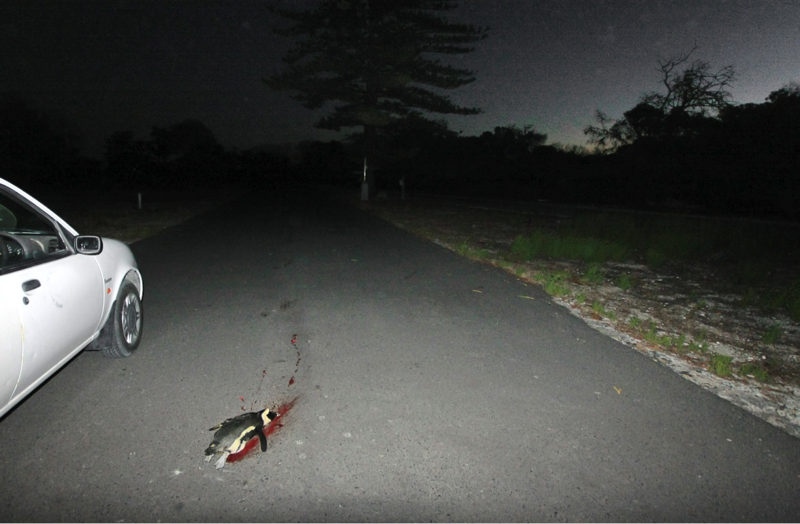
So, I am on Robben Island, it’s dark, I am alone, and in front of me… a dead African Penguin!

Penguin roadkill on Robben Island
My gruesome finding of penguin roadkill along one of Robben Island’s quiet roads

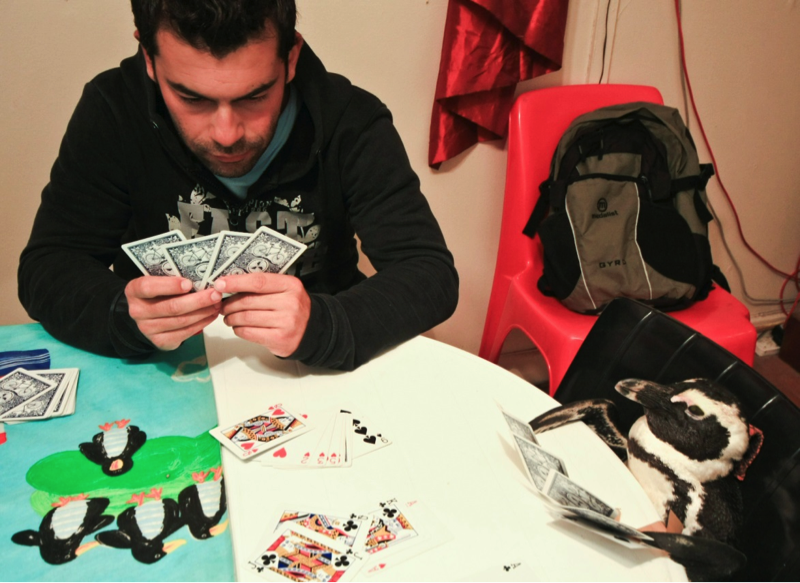
Let’s remain calm, I say to myself, thinking to get the best from this tragic experience. Well, you’d be surprised to see what happens to the penguin next! 🙂

Playing poker with my newly stuffed penguin...

I believe a sense of humour is important even for serious matters and is extremely crucial for scientists! Anyway, the day after I stumbled across the penguin carcass I was still traumatised but feeling ready to start my research. Things like that must not happen again, I kept saying to myself… From that day I promised I would get on top of my research and do all my best to share knowledge and education to those people who do not know/care about the importance of the ocean and its inhabitants. Being on Robben Island, I thought about a quote that Nelson Mandela shared about education in South Africa, “Education is the most powerful weapon which you can use to change the world”… and I knew that there was no better place for me to fulfil my promise.

That day I started at 6 am… yes my dream had come true. I was taking photos for my research and at the same time, I knew that those images would help me to communicate love for the ocean and its need to be protected. I would never imagine that very soon two of my photos would be selected as one of the top 50 of the International Photographic competition run by South Africa Birdlife “Ocean of life” 2013 and another one in 2014!

http://oceansoflife.co.za/gallery

http://oceansoflife.co.za/gallery/2014

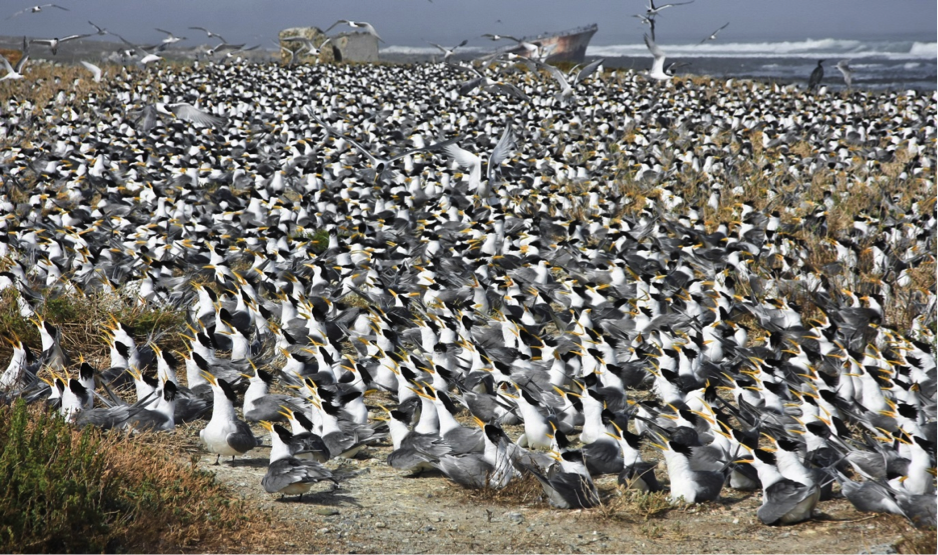
I have been amazed to discover how helpful my photographic skills have become in my scientific research! Did you know that in the last few years, between 6,000 and 10,000 Swift Tern pairs have bred on Robben Island every year? And understanding what’s going on is not always easy! I have been making full use of modern technology to help me out, especially DLSR cameras, camera-traps and

Try to remain sane in this chaotic crowd!

video cameras. Trust me, they are very useful tools in such noisy, smelly, crowded and chaotic colony such as this one.

So, let’s see if you could contribute to some fishy science… Let’s have a poll on this blog to see if you know your sharks from your sardines.

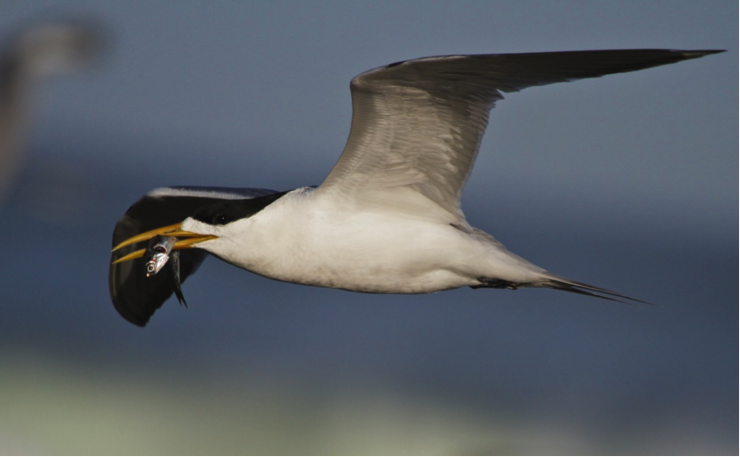
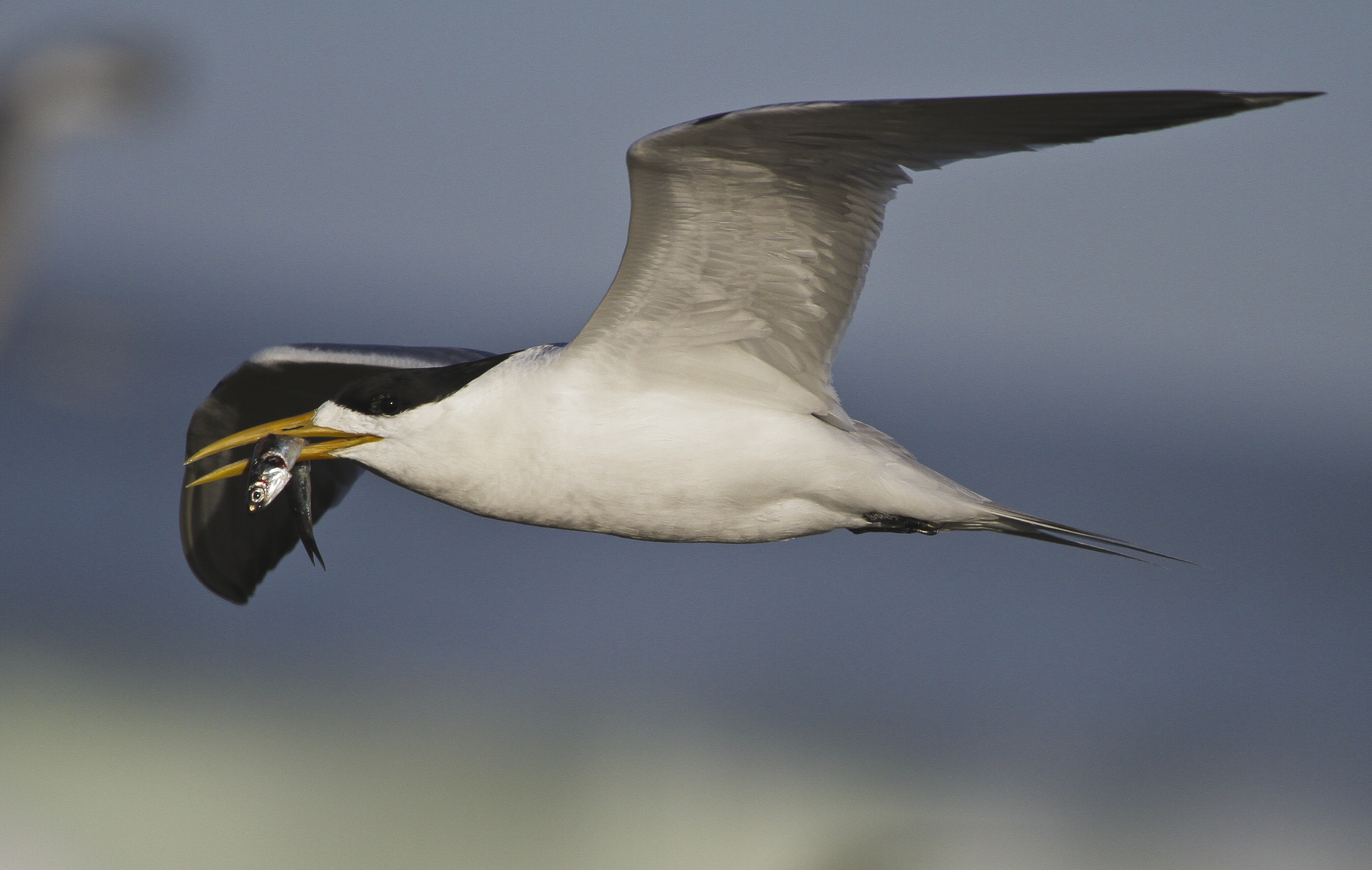
Early in the morning as the sun is coming up, my terns are already busy bringing food to their chicks. And I am busy there taking photos of them…the first photo is the most common species….do you know what species is this?

Fishy prey #1
Fishy prey #1

Right 🙂 , this is an anchovy….easy! What about this one?

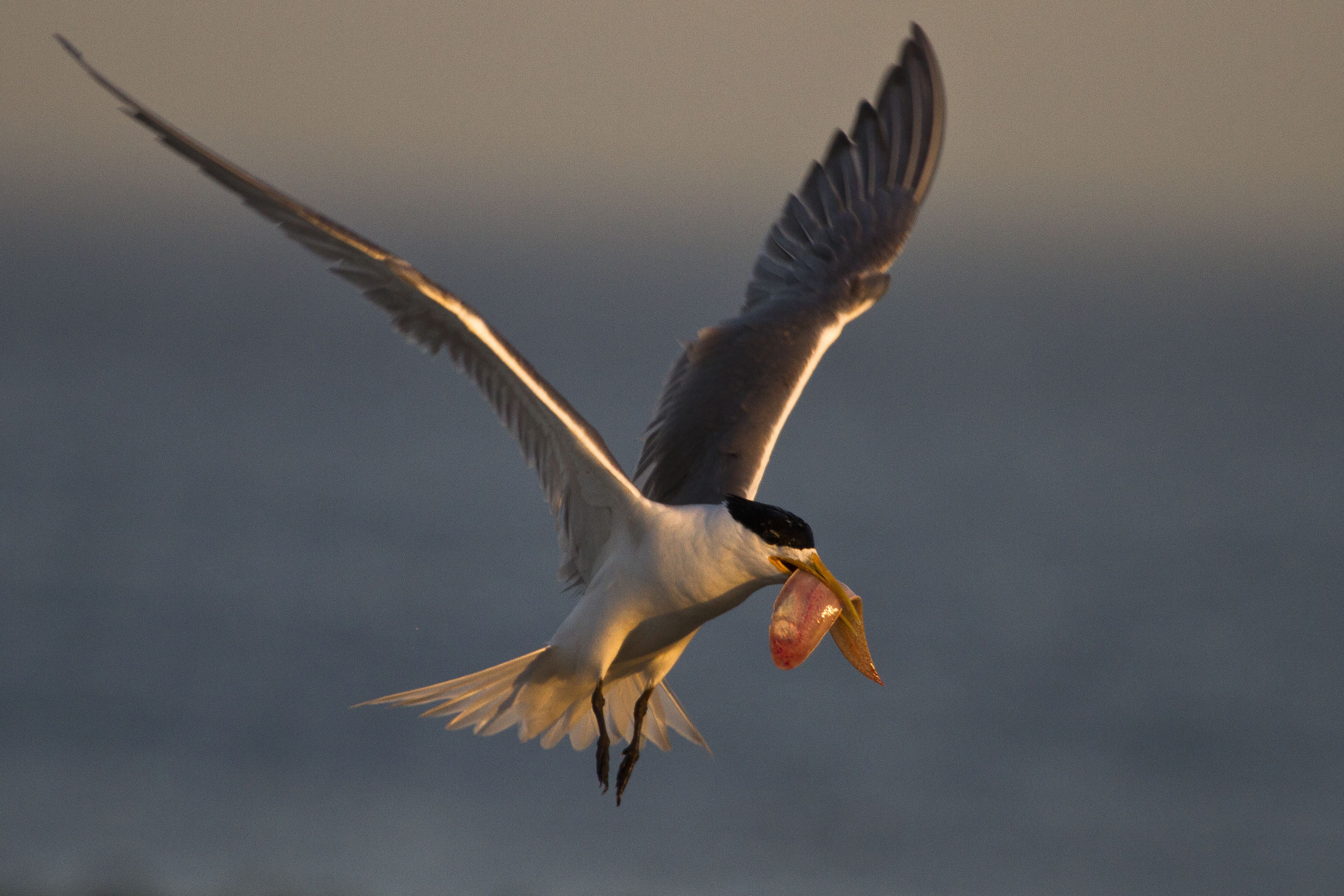
Fishy prey #2
Fishy prey #2 (Click on pic to enlarge)

…Ok I am not telling you 😉 Let’s see if you have the right answer in the comments and polls.

And some more for you…..

Fishy prey #3 (click pic to enlarge)


Fishy prey #4
Fishy prey #4


Fishy prey #5
Fishy prey #5


Fishy prey #6
Fishy prey #6


I promise to reveal the correct answers by next week Wednesday, in the comments section. At the moment, I am collecting many more photos and soon it will be time to identify new prey species, which I will publish on this blog. So, are you ready to join the challenge in trying to identify their prey and give me your comments? Whether you are a keen photographer, or knowledgeable on fish identification or you just like to know more about it, you are welcome to comment and vote, and let me know your thoughts.

I have found many prey species so far, and it’s exciting everyday, although sometimes it can be exhausting and challenging… but chicks must eat in the wind, rain, fog, well … anytime!

The ultimate goal of my research is to understand how Swift Terns cope with variable food availability and understand differences to other seabirds. I am investigating to what degree their behaviour flexibility underlies their success, in order to assess the impact of commercial fisheries on marine ecosystem dynamics. So there is a lot of stuff to learn, and I have many more adventures to tell you! Keep connected and don’t forget to complete the polls about the prey photos…. the more votes… the more photos 🙂 See you next time!