
What does a scientist nowadays look like?
When the word ‘scientist’ is mentioned, what image is painted in your mind? Is there a particular gender that comes to mind? Colour? If you referenced famous sci-fi blockbusters I’m certain you would conclude that scientists are white men with crazy hair.

Unfortunately, this imagery traverses to reality too (excluding the crazy hair?). If you browse through the physics Nobel Laureates and the NRF A-rated researchers you would be convinced that science has a preference when it comes to gender or race. A glimpse of hope was resurrected when I watched the film ‘Hidden figures’. We exist and our contributions are valid!
The Event Horizon Telescope captured the very first image of a black hole in April 2019. This was a huge milestone in the field of Astronomy and Physics and it was exciting to see that a female researcher was also at the forefront of this achievement. Katie Bouman was the lead computer scientist of the team that created the algorithm that made the breakthrough image possible.
Dr Hadiyah-Nicole Green was also in the news for pioneering the use of laser-activated nanoparticles for cancer treatment. This breakthrough method of treatment has been found to improve the pharmacokinetics and reduce the systemic toxicities of chemotherapies through the selective targeting and delivery of these anticancer drugs to tumour tissues.
Indeed, no longer shall we remain hidden figures. In the famous words of Zozibini Tunzi, current Miss Universe, ‘We are taking up space and cementing ourselves’. But how do we ensure that this movement is not only restricted to first world countries or big cities?
As of December 2015, the United Nations General Assembly resolved that the 11th of February would be recognized as the International Day of Women and Girls in Science. Initiatives like these are excellent tools for showcasing brilliant achievements of female scientists. In South Africa, we also have initiatives such as: Take a girl child to work, South African Women in Science and, L’Oreal-UNESCO For Women in science to name a few. These initiatives have done wonders in exposing young girls to science careers and acknowledging excellent female researchers, but is it enough?
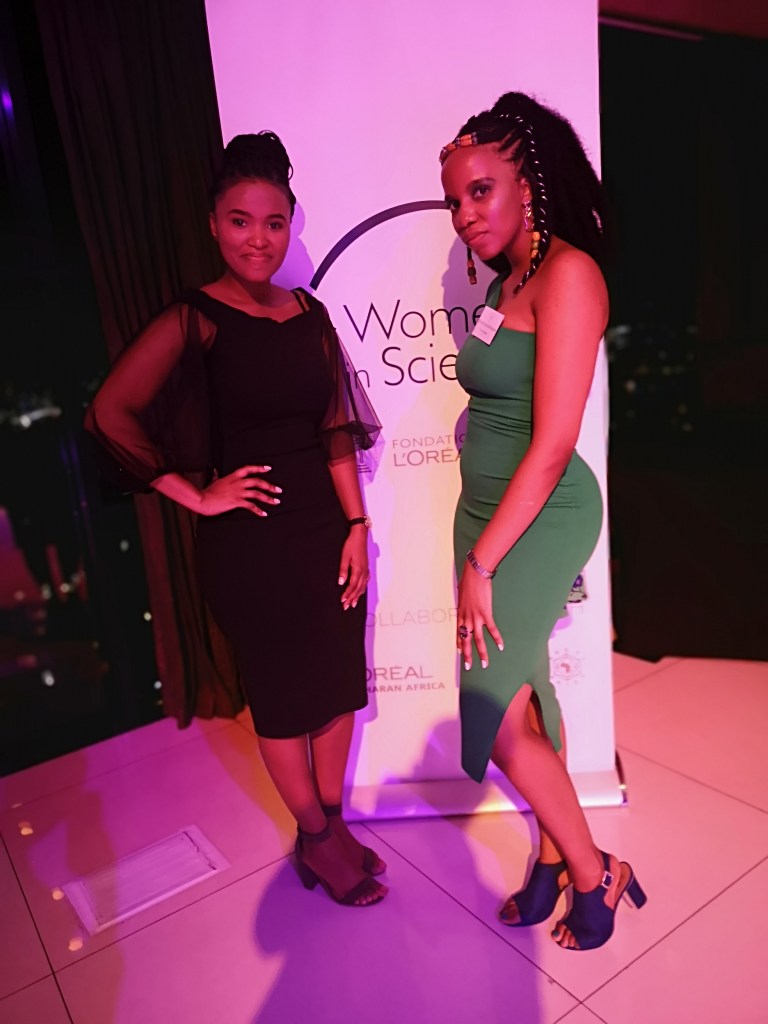
According to the United Nations reports still only 30% of researches worldwide are women. In South Africa, an impressive 40% of women are in STEMI fields. The NRF boasts itself for funding more than 50% of females researchers and postgrad and postdoctoral level. These are amazing statistics in comparison to other countries. However, the NRF also reports that approximately 6% of these female researchers are in senior technical or managerial positions. I believe that currently, this is the major challenge to transformation in the science field in South Africa. What makes female researchers leave academia? What hinders female research from being NRF-rated scientists? It is only when we are able to tackle these questions that we will achieve equal gender representation in all spheres.
From my personal academic journey and interactions with students through education outreach activities, these are some of the factors that stood out for me:
The most important factor is that one cannot become what their mind cannot conceive. Quality education for all is essential, we cannot be encouraging learners to be chemists when lab equipment is nothing but theory to them. In as much as South Africa has all these great initiatives they mostly target schools in urban areas, we need them to spread even to the most isolated schools in rural areas. It was promising to hear the minister of finance, in the 2020 budget speech, mention an allocated budget for introducing robotics at elementary school.
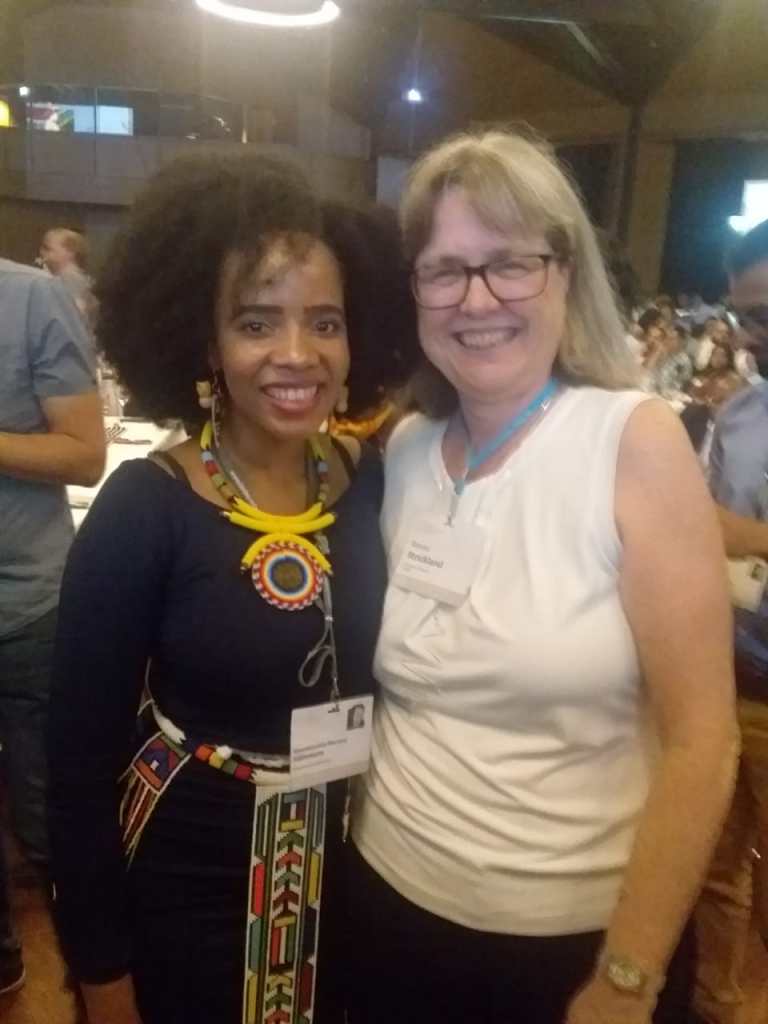
From a young age, we (especially girls) are taught to fear science (I still tremble at the memory of my High School physics teacher). Most high school students I interact with hate Maths and Physics, mainly because of how they are taught in school. Our society often tells girls that science ‘is not for them’. We need to change the stigma around science. Science is a fun, inclusive and creative subject, it is as cool as art, and hence it should be portrayed as such.
As a country, we need to be intentional when it comes to transformation. Women need to be in key decision making positions, drive policies that will lead to change. It is only women that know what is best for women. However, it is also essential that male colleagues are part of the dialogue. If we want to make academic spaces safe spaces for women, men need to be aware of the required behavioural changes and to be conscious of how diversity is not a threat but a conducive environment for success.
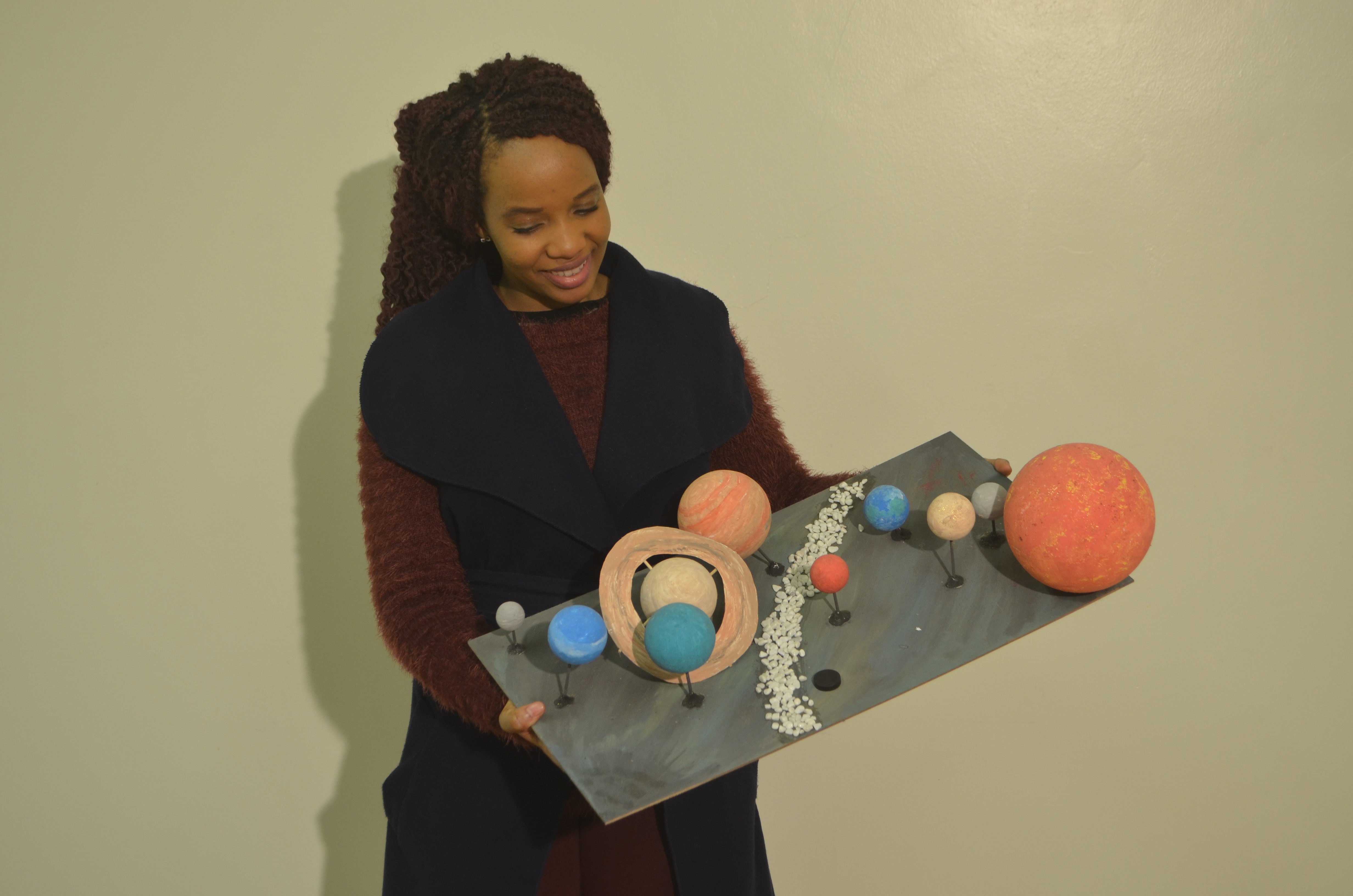


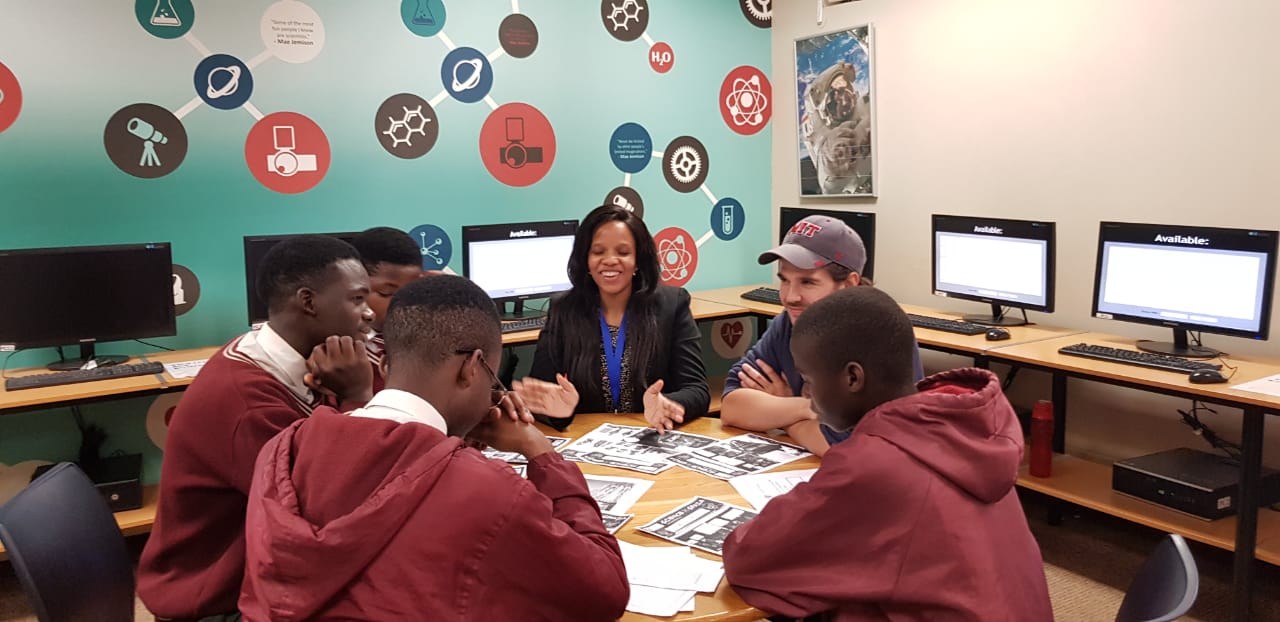 When I finally attain that ‘Dr’ tittle, I would like to establish a mentorship programme that guides young girls that are science enthusiasts. I have also personally encountered that no matter how brilliant your science is unless communicated effectively, it will never make a great impact. This led me to the idea of technical science writing retreats for postgrad students; it is a dream I intend to fulfil in the near future.
 SAYAS BLOG