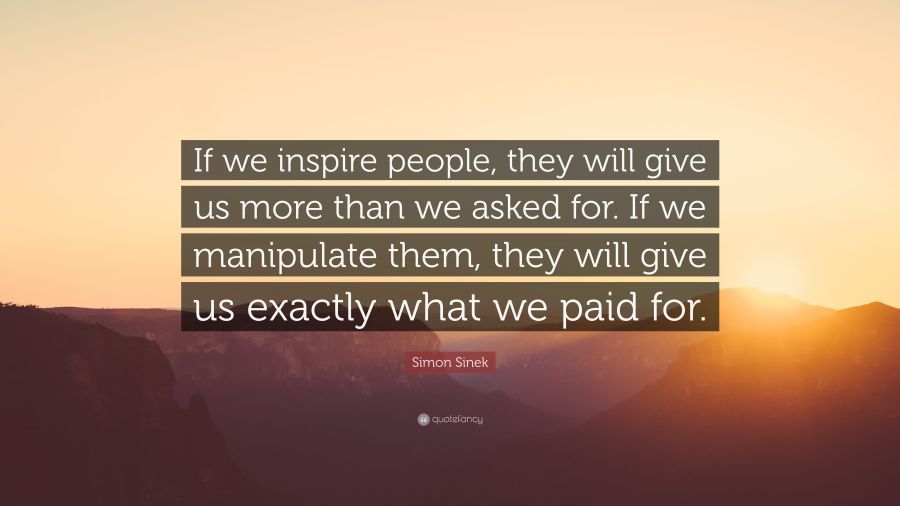
I was walking with my dog this morning and listening to one of Simon Sinek’s podcasts. Among the amazing things he usually says, he described the most profound thing. When he was on a mission worrying about himself and only him, concerned about his challenges and aspirations only, he was always stressed and tensed and anxiety was taking over. Based on some observations, he decided to change his own narrative and see things from another perspective: every task, action he takes and thought should be for the benefit of the team, or the group, or the family or the society overall. That was when he found a sense of calmness of purpose and meaning in his life…and in a sense, happiness.
“Hey that’s me” I thought, and almost started chatting with my dog….

Going back and looking at my involvement with “my acronyms”, I feel that the turning point was when my dear friend Prof Aliza Le Roux asked me to take over the Editor’s position at the SAYAS blog. Until then, my fixed mindset directed me to only be involved in things that will beneficial for ME and MY career. I had never thought of helping with the blog before for two main reasons: 1) to my mind (wrongly…), an editor needs to be a language expert, and 2) selfishly (and wrongly again…) what was in it for me? I could contribute with my blogs every now and then, what more?
But when the offer was made during one of our AGM’s breaks at Fort Hare University, I had a revelation similar to Simon Sinek’s. I went back to the initial reasons I decided to get involved with SAYAS: to work on providing a voice to young scientists and students. Here was my chance to do so and I grabbed it. Admittedly, I had no idea at the time what I was getting into (as with most of the things I decided to take on later on in my journey in SAYAS and GYA), but Aliza’s mentorship and assistance in the beginning made me stronger.
So, what did I give in my years as a SAYAS Blog editor? I gave time, positive energy and direction – that was all the blogging teams needed from my side. But the multiplier effect was present in this case and I am giving over the Blog to Prof Jennifer Fitchet being a “richer” person (the only thing that could not be retuned multiplied was time…oh well…)
I worked with three teams of bloggers, and I must say I learned many things from all of them, due to their diversity of backgrounds, visions, cultures and demographics. They all helped me develop soft skills like team, time and project management.
I have changed as a mentor by:
- Firstly, listening to them, even before they put things on “paper”: the things that concern PhD students in South Africa, the challenges they face, the way they think about current societal topics, how they see the future of their science, what they appreciate, and what they expect from their mentors and supervisors and others. They managed to give me a holistic picture of a postgraduate student today, and in doing so they helped me with how I work with the students I supervise.
- Secondly, helping them edit their pieces and strengthen their arguments, I realized what things I should change in the way I write blogs and papers.
- Thirdly, learning the relevant ways on how to give feedback, many times I used the famous PPCO approach (Pluses Potentials Concerns Opportunities) without they even realizing I was doing so, and other times, just by asking them questions.
I have managed to identify and succeed some of my objectives as an academic citizen of the world working with the team of the SAYAS blog:
- Through the blog, we as SAYAS fulfil our role as an organization that provides a safe platform to young academics and students to express themselves. We did that during the 2016 #feesmustfall protests and the 2020 #blacklivesmatter and #covid19pandemic, as just some of the examples. Indeed, we have given a voice to the youth.
- We have started preparing the next generation of scientists to be open-minded and change the way science communication is viewed by older generations of scientists. A generation that will further inspire more, not only through their research but also through their communication skills, and developing into the role models of the future (the multiplier effect in action here again).
- We have raised important issues to education and science policymakers – not that they did not know, but formalizing the voice made the difference.
- We have created a community and a feeling of belonging for students in South Africa while highlighting the common challenges and happy moments they all face making others feel that they are not alone.

The SAYAS blog does not stop with me of course and it is indeed hard to let go. It is hard and emotional as when a child leaves their parents’ house. It is time for it to take the next step to the future and evolve as it always does. And although it is generally believed that only parents give to their kids, I am the living example that the child has taught me a lot and changed me so much. Would I do it again? Without a doubt, YES!!!
Certainly, the most important lesson is that it is more important to do things for the greater good, it is more rewarding and the multiplier effect kicks in -maybe not immediately- but in the long run, even the personal benefits are immense.
So, goodbye….for now….
And remember, the more you contribute, the more you benefit 😉

 SAYAS BLOG