The big bye-bye from the brain science blogger

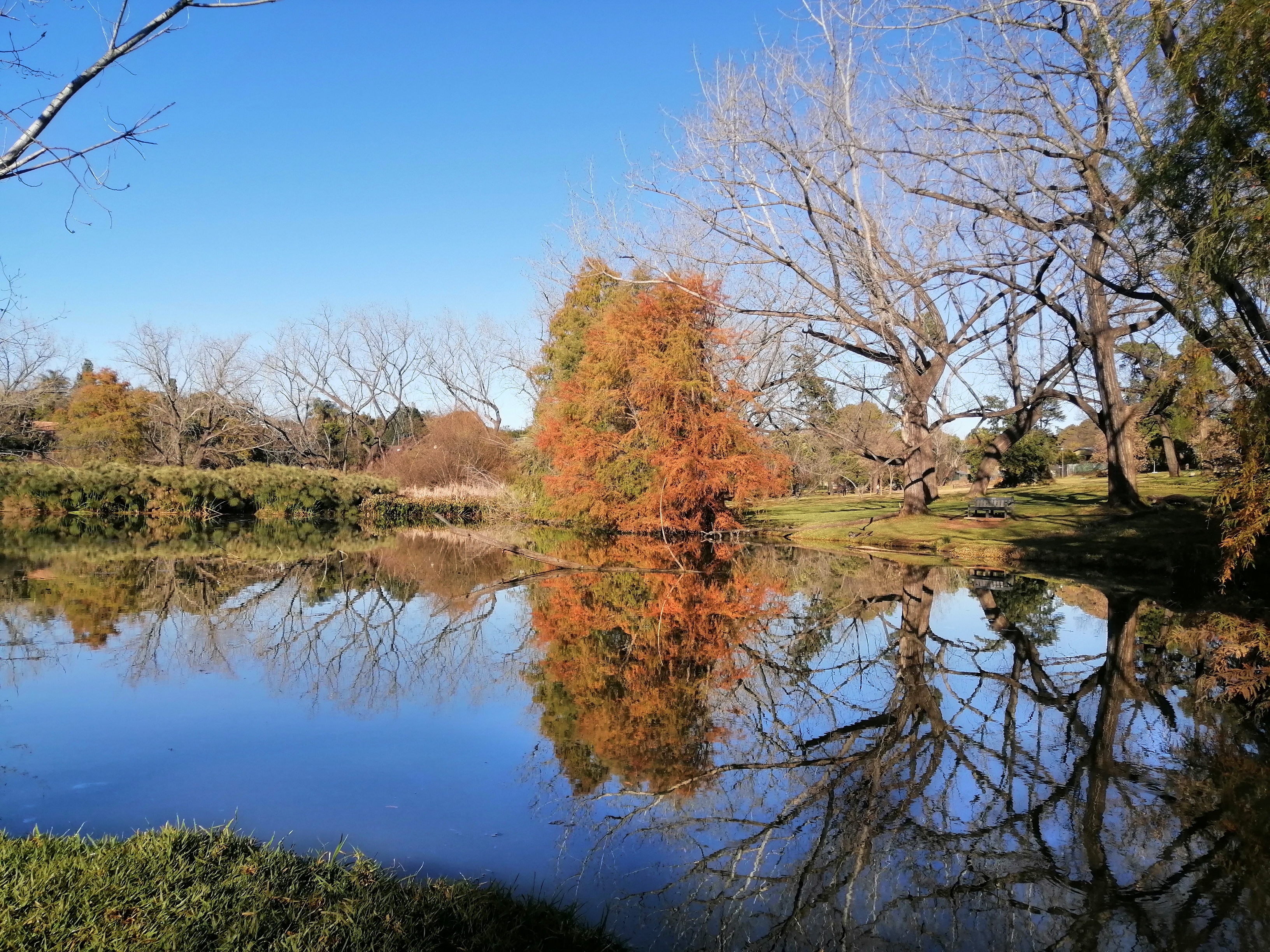
Where I look, there I am: in the water or the window, or as the person I engage with.

Reflection has punctuated many moments throughout 2023 while writing as a blogger for the South African Young Academy of Science. More than just offering moments for reflection, this opportunity at blog writing has gifted me moments of visualization; moments of resistance; improved listening; learned knowledges and peace. These moments, on a continuum, have become the variety of power tools in my life-skills toolbox.

Communication is a skill that requires training. All the styles, methods and tones of communication have appropriateness for certain settings over others. This, too, is a soft skill that requires practice. Here are some ways that I’ve been refining that skill to become a stronger, more assured communicator this year:

Words are my reflective tools. As a scientist, I have consistently remained curious; often unphased by asking the “wrong” questions or clarifying what someone means if it does not align with my identity politics or views. My responsiveness and inquisition have not always been well received. This has created tensions – some subtle, others palpable. It’s okay to make mistakes. Write, read, edit, rewrite. Whether journalling as a daily practice; expanding on research for a thesis; speaking out; or creating a monthly blog, when I use words the world around me becomes a mirror.
Resistance met me along my path many times. When I was told that we will have to create not one but two vlogs as part of our series this year, I felt resistant to express myself through audiovisual media. I had never been challenged in this way (as I am far more comfortable behind the camera than in front of it), but in softening my resistance I realized that I have a passion for communicating this way, too. I thought it may even be fun to try make one science communication YouTube video every month. Though the “YouTuber” life was short-lived, my friend and I decided to start a neuroscience podcast! Keep an eye out for that – it’s called WENA.

I have BIG dreams, and vast interests. Dreaming, though not necessarily an external form of communication, is my tool for visualization. This experience as a blogger has allowed me to ponder and daydream outside of my current project. Oh, I have so many delicious plans for myself! Keeping these dreams vivid propels me into my future. I really, really like state-of-consciousness neuroscience – from active learning, to sleep; psychosis; seizures; dreaming; neuroethics… This is what I imagine researching in the years to come.

I have learned what peace means, to me. Peace is not simply conflict avoidance, but conflict resolution. Learning how to foster my own sense of inner and outer peace in academia is a direct result of blogging; engaging; sharing thoughts. Connection and community are things that I must stoke and kindle to feel supported. In academia, this sense of kinship isn’t a priority for everyone. Make peace with that. Communicate with compassion. Sometimes, just leave things be.

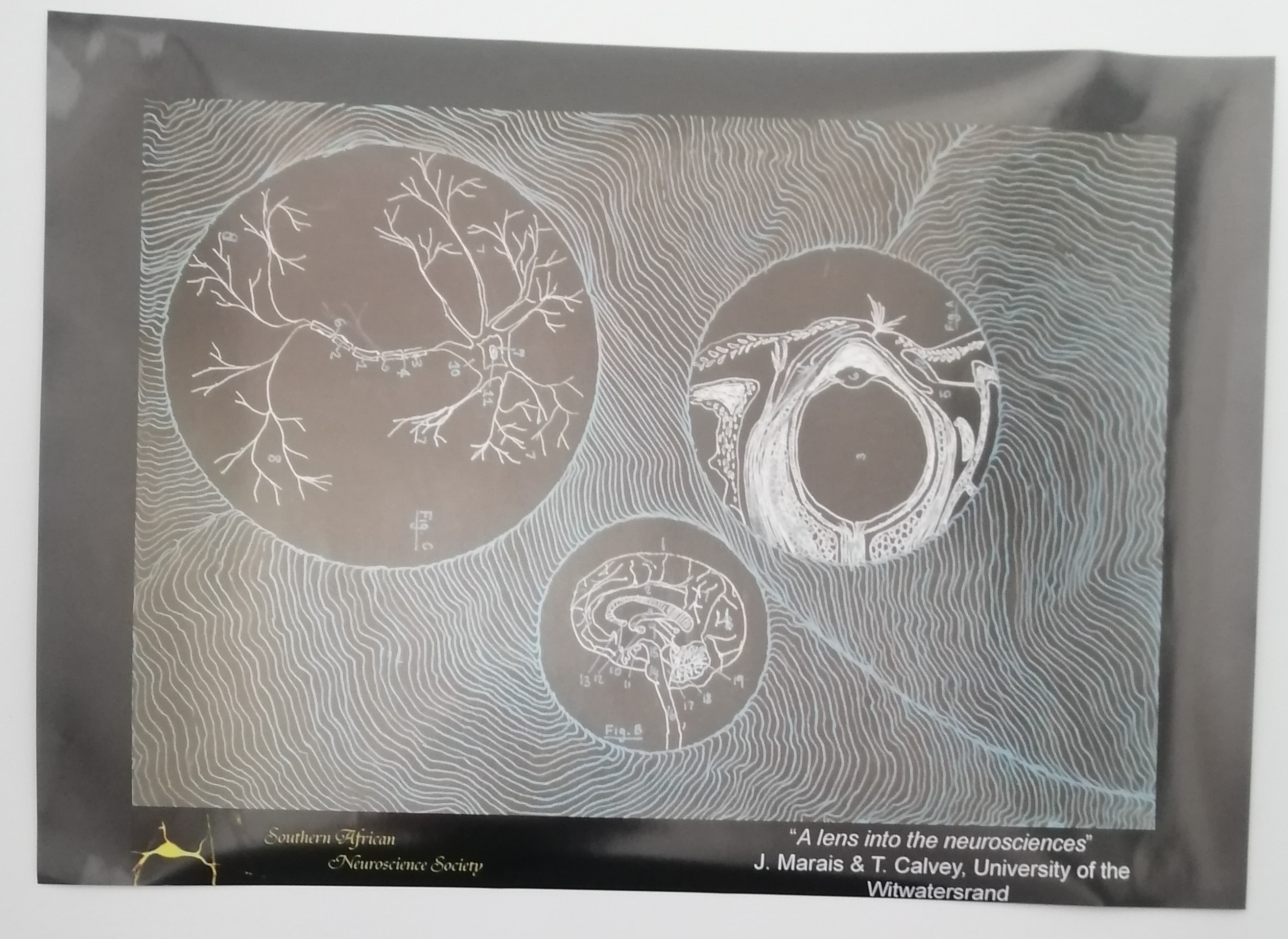
Lastly, blogging has reminded me to engage with knowledges (credit to The Academic Citizen for teaching me about knowledges in their plurality) wholeheartedly. Engagement amplifies knowledges. My life as a neuroscientist, a science communicator, an activist and a student is enriched with all the knowledges that surround me: from National Science Week trips to Venda, to JEDI in science and art exhibitions. Interaction is both auditory and perceptive. When we are attentive and acknowledge the knowledges (and their sources) that are being shared with us, we are savouring the ripest fruits.

I am tremendously appreciative to my fellow bloggers for their pieces and the work that they are doing “on-the-ground”. In parallel, I am exceptionally enamoured with our editor’s warm and concise style of leadership. I have listened actively and learned so much from the 2023 SAYAS blogging team. Thank you, Lonwabo, Ijeoma, Mukhtaar, and Prof. Jen! In working with you, my expression has felt affirmed, supported, and authentic. To the people on the other side of the screen who read my blogs – whether in full enjoyment or slight dislike – thank you for receiving me as I am.

Feel free to reach out! a.neuro.jo@gmail.com or @johanne_marais
“If the brain does not work, the rest does not matter” –

Professor Alfred K. Njamnshi, founder of Brain Research Africa Initiative

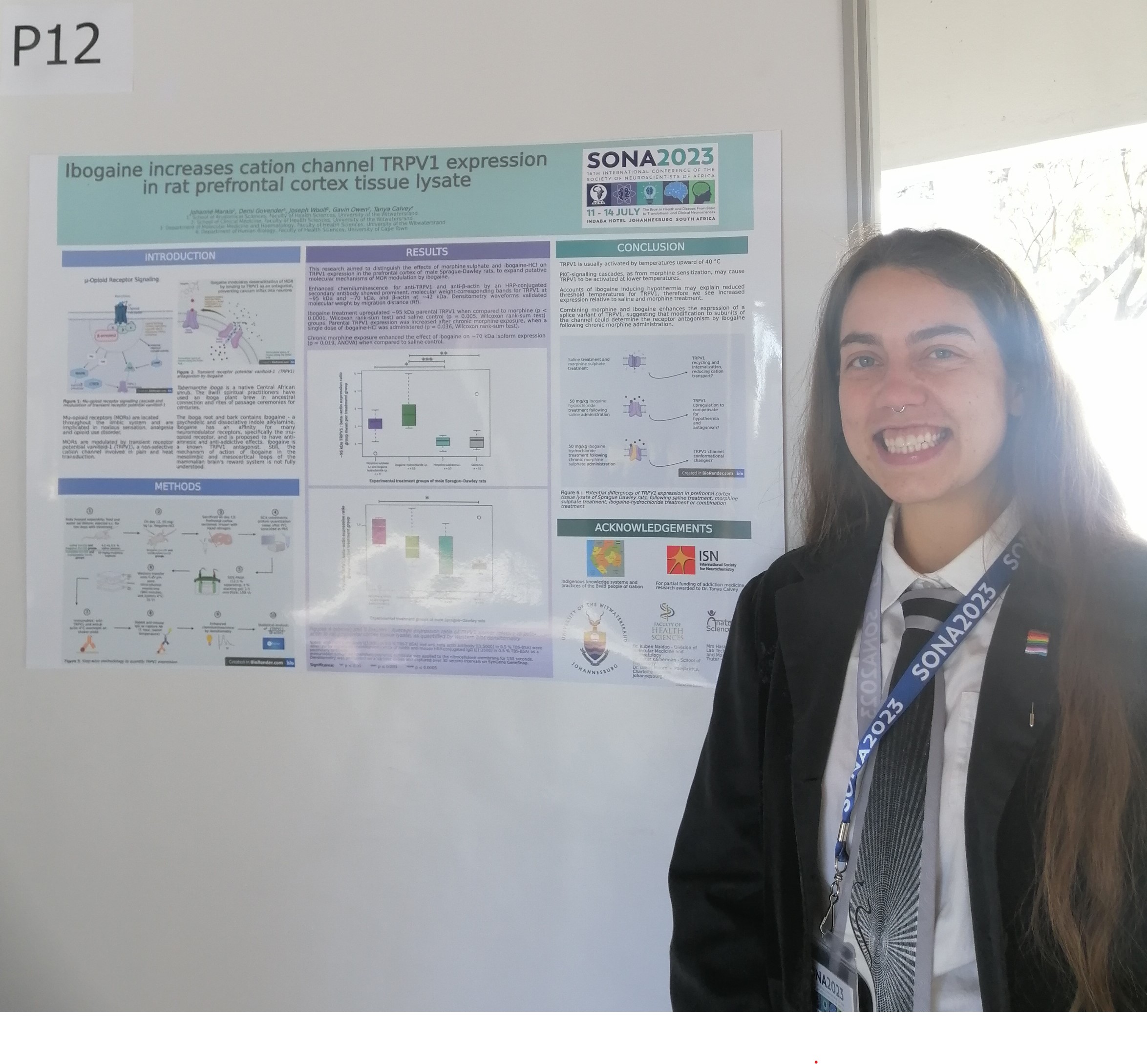
During a daily email scan on some day in May, I read that my research project had been accepted for a poster presentation at a conference I had applied to. Imagine that! For specialists, early career researchers, graduate students, and established professors alike, conferences offer an opportunity to touch base with current prospects (and persons) of a particular field.

Many anticipatory weeks and several hours of design later, I made my way to the venue – printed poster proudly in hand. Being socially anxious yet outspoken and opinionated (read: awkward), I felt a little uneasy about how the week would play out. Most of this was settled when I met a Twitter™ friend, Arish. We sat in the sun, exchanging warm parcels of chit-chat some hours before the first plenary speaker, Prof. Njamnshi, officially opened the conference.

My recounting of the conference is cherished in journal pages and short-hand notes. I could probably write a Master’s thesis on my experience. Though, in the absence of 150 pages available for my storytelling, I will offer you the abstract:

Introduction: Some 30-odd years ago, in Kenya’s city of Nairobi, the Society of Neuroscientists of Africa was registered. What began as a handful of African neuroscientists coming together to amplify African neuroscientific research has now grown so vastly that nearly 300 keen delegates are affiliated members of the society. Some of these delegates from 19 African countries – and 34 countries worldwide – congregated at the 16th Biennial International Conference of the Society of Neuroscientists of Africa (SONA), held in Johannesburg in the middle of July.

Aims: According to the society’s webpage, SONA aims “to promote research, teaching and advocacy in neuroscience in Africa…”. I arrived at the conference with my own aims, though. I intended to remain humble but secure in my knowledge basis, while being receptive to learning new topics unfamiliar to me. I sought to meet and engage with as many neuroscience enthusiasts from the continent as what my social capacity would permit, to begin forming my own “neural network” for collaborations and research support.

Methodologies: An array of symposia, workshops, poster presentations and communal meals gave attendees the opportunity to ask questions, share their work, rub shoulders with giants and shake hands with mentors and friends. The theme, “The Brain in Health and Disease: From Basic to Translational and Clinical Neurosciences”, stimulated provocative and challenging conversations across the multidisciplinary niches. Notebooks embellished with SONA aesthetics sat back-to-back with a printed program in each person’s complimentary tote bag, so that they could plan their preferences over the four days.

Results: From cell culture to measuring protein expression; patient-facing clinical research to data sharing… Neurosciences are diverse and expansive! The underlying message which unified all the sessions was the importance of shifting focus to research that was locally relevant but internationally applicable. Formal neuroscientific teaching now spans 70 % of the 54 African countries, and there was a conference-wide encouragement for teaching centres to continue boasting investigations by Africans, for Africans.

A broad contribution was made by researchers studying neurodegenerative diseases like Alzheimer’s; similarly, by those who work at the intersection of neurosciences and the immune system. Some important buzz terms that permeated the air were “neurodiplomacy”, “FAIR (findable, accessible, interoperable and reusable) brain data” and “neuroethics”.

Conclusion: As a postgraduate researcher, I have days where I feel in limbo: neither entirely a student nor a staff member. At the SONA conference, this felt different. Most people were less phased by using titles or the accolades that follow their name than they were about actively engaging with other attendees. By the final day, I was so diversely besotted with the neurosciences (and the neuroscientists) of the continent that the thought of following just one path to the future was entirely unsatisfying.

In the absence of clarity for the “what” question of research, I found myself re-establishing my answers to how; why and where. As Prof. Njamnshi implored, good science comes not from publishing papers but rather from having strong vision, acting on accomplishable goals, living with passion and creating a purpose. The aims of SONA – and my own – had been surpassed.