 Things don’t always go according to plan; but that does not mean you should not plan at all, otherwise you might end up frustrated and moving in circles. Even the Bible says in Proverbs 29:18 “Where there is no vision, the people perish.”
It was all planned out perfectly
According to the proposed timeline I presented in the beginning (2013) of my PhD journey, I should be submitting a complete thesis this month. Well, I really wish I could, but it’s not going to happen. I am not there yet. See, at the time all seemed easy and doable until I faced hurdles on the ground and had to revise my approach, which also meant finding other resources to reach the goal. Trust me, I am not making up excuses…
The revised plan
After the proposal, literature review and really useful preliminary studies we ran, the core of the project was done this year. Yup! It’s been such a hectic year that I even find it hard to travel the 320 km to go home; I don’t even go for shopping. This is when the PhD pressure really sunk in- can’t even remember the last time I was bored, wondering what am I doing with my time.
I am currently writing up my chapters, step by step. Beginning of last month, I was asked to write down and submit a realistic roadmap to follow till the finish line. I’ve been doing my best to stick to it. Though the pace is sometimes not as I would have planned, I’ve found it to be really helpful for my progress.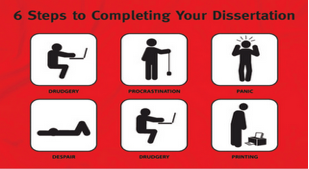
So far, I have progressed up to about 60% of the thesis. As anticipated, writing about my own work (experimental chapters) has been more interesting and fun, compared to the review. I must say though, the review is helpful as a reference point for the paper writing. And, after completing my first experimental paper, I went back and revised the review script 🙂 , finally.
The mean part
There is just one beast that sometimes has the power to put you down: Statistical analysis of my data. I used to think numbers were my thing until I came across statistics. The data collection for Chapter 2 was my favourite. And, then all the fun vanished as the statistical output was just not coming out right, over and over again.
I used to nail maths in high school, but nobody really taught me how to think analytically, like a statistician. It’s a whole different ball game. But I am learning, thanks to Lizwells’ assistance — a good friend with great stats expertise. I hear it’s not even that hard. Well Yah! It’s great when your hypotheses are supported. I’m learning that doing stats requires practice. You can read all the stats books you want, but nothing prepares you for throwing your own data at statistical tools.
I’m starting to see that a PhD is not just following a clever plan; there’s a lot of battling with schedules and drafts and strange numbers. It’s a learning curve, is it not… As Albert Einstein said, “Learning is experience. Everything else is just information.”

 SAYAS BLOG