“If the brain does not work, the rest does not matter” –

Professor Alfred K. Njamnshi, founder of Brain Research Africa Initiative
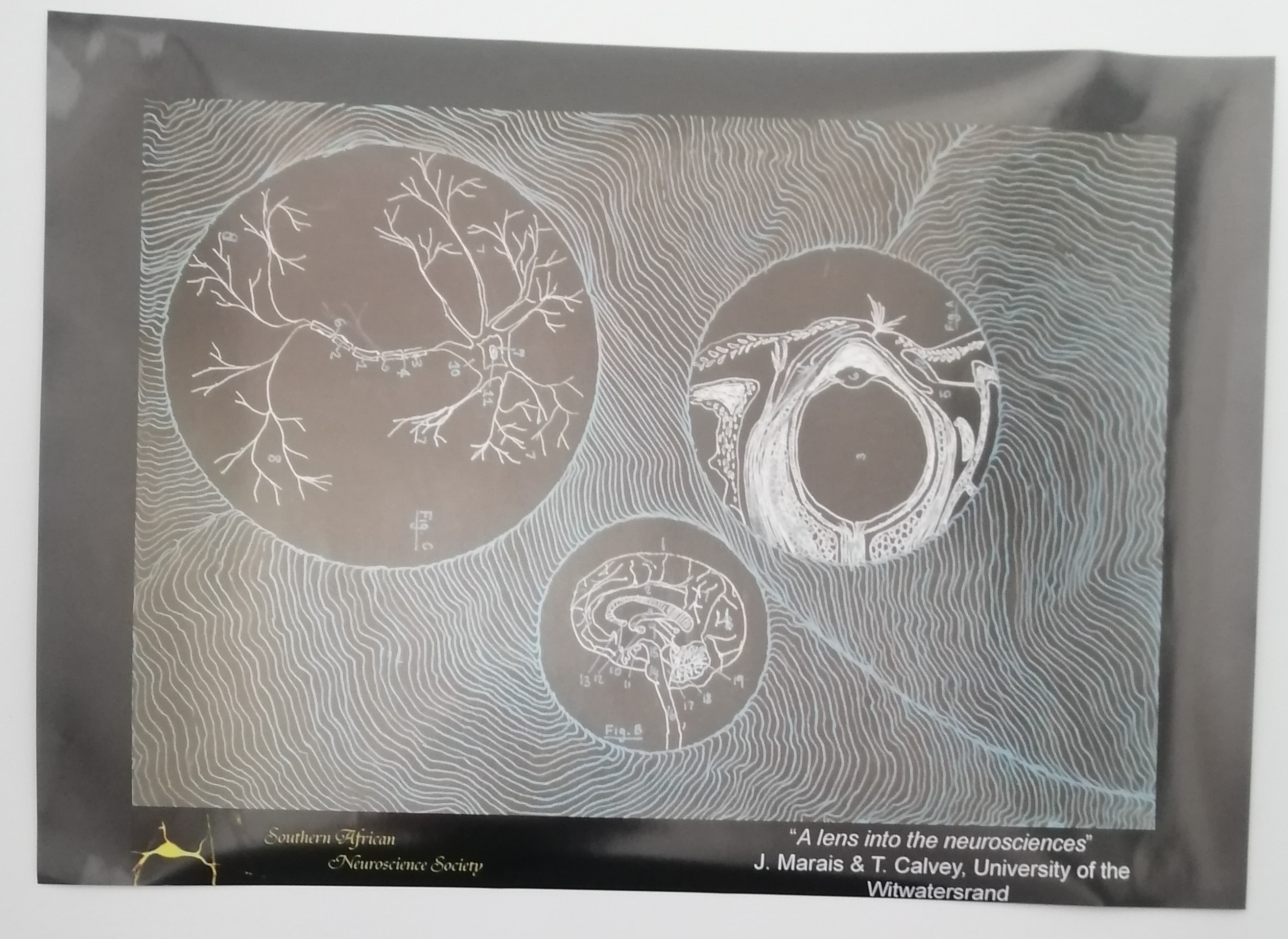
During a daily email scan on some day in May, I read that my research project had been accepted for a poster presentation at a conference I had applied to. Imagine that! For specialists, early career researchers, graduate students, and established professors alike, conferences offer an opportunity to touch base with current prospects (and persons) of a particular field.

Many anticipatory weeks and several hours of design later, I made my way to the venue – printed poster proudly in hand. Being socially anxious yet outspoken and opinionated (read: awkward), I felt a little uneasy about how the week would play out. Most of this was settled when I met a Twitter™ friend, Arish. We sat in the sun, exchanging warm parcels of chit-chat some hours before the first plenary speaker, Prof. Njamnshi, officially opened the conference.
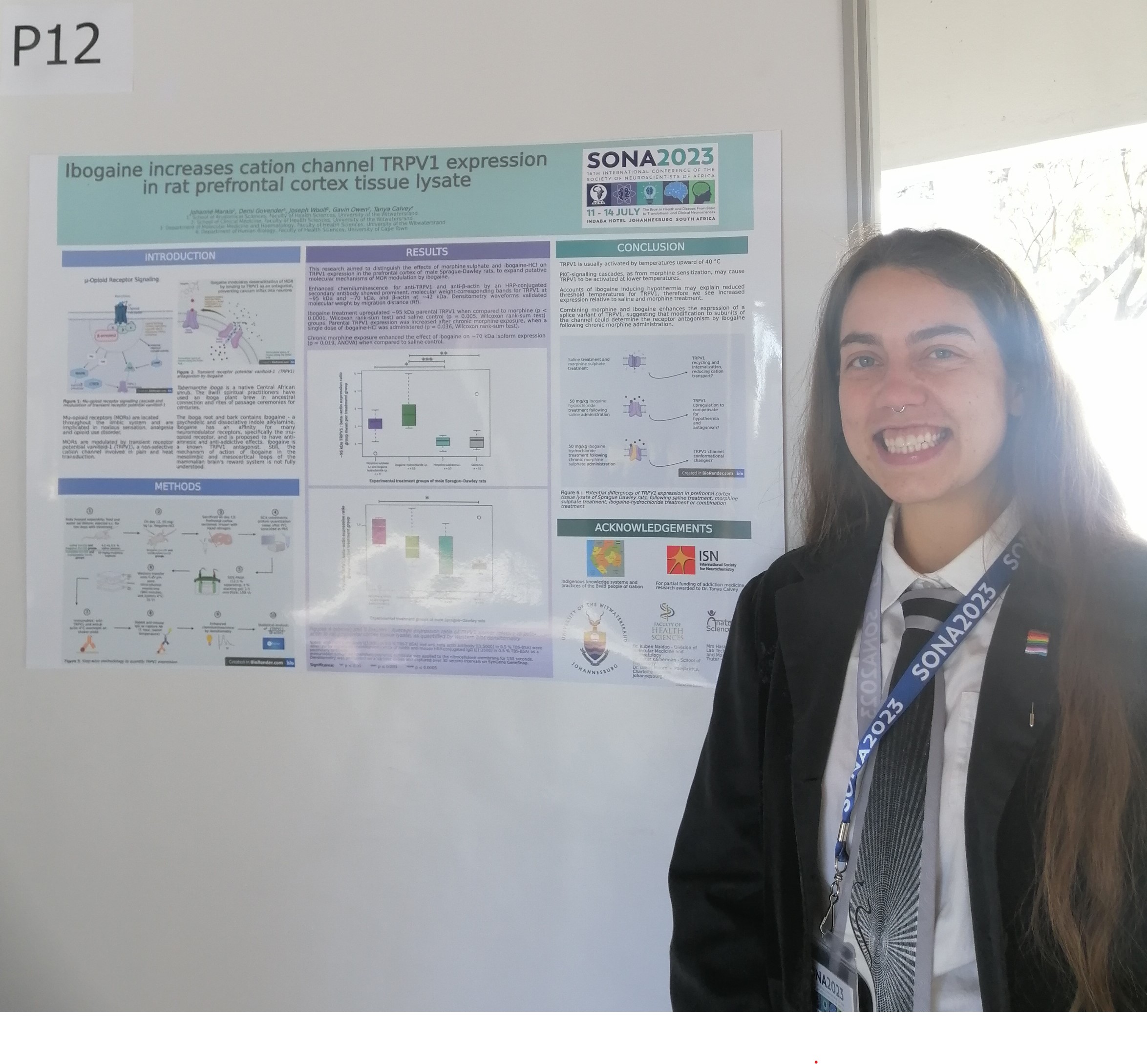
My recounting of the conference is cherished in journal pages and short-hand notes. I could probably write a Master’s thesis on my experience. Though, in the absence of 150 pages available for my storytelling, I will offer you the abstract:

Introduction: Some 30-odd years ago, in Kenya’s city of Nairobi, the Society of Neuroscientists of Africa was registered. What began as a handful of African neuroscientists coming together to amplify African neuroscientific research has now grown so vastly that nearly 300 keen delegates are affiliated members of the society. Some of these delegates from 19 African countries – and 34 countries worldwide – congregated at the 16th Biennial International Conference of the Society of Neuroscientists of Africa (SONA), held in Johannesburg in the middle of July.

Aims: According to the society’s webpage, SONA aims “to promote research, teaching and advocacy in neuroscience in Africa…”. I arrived at the conference with my own aims, though. I intended to remain humble but secure in my knowledge basis, while being receptive to learning new topics unfamiliar to me. I sought to meet and engage with as many neuroscience enthusiasts from the continent as what my social capacity would permit, to begin forming my own “neural network” for collaborations and research support.

Methodologies: An array of symposia, workshops, poster presentations and communal meals gave attendees the opportunity to ask questions, share their work, rub shoulders with giants and shake hands with mentors and friends. The theme, “The Brain in Health and Disease: From Basic to Translational and Clinical Neurosciences”, stimulated provocative and challenging conversations across the multidisciplinary niches. Notebooks embellished with SONA aesthetics sat back-to-back with a printed program in each person’s complimentary tote bag, so that they could plan their preferences over the four days.

Results: From cell culture to measuring protein expression; patient-facing clinical research to data sharing… Neurosciences are diverse and expansive! The underlying message which unified all the sessions was the importance of shifting focus to research that was locally relevant but internationally applicable. Formal neuroscientific teaching now spans 70 % of the 54 African countries, and there was a conference-wide encouragement for teaching centres to continue boasting investigations by Africans, for Africans.

A broad contribution was made by researchers studying neurodegenerative diseases like Alzheimer’s; similarly, by those who work at the intersection of neurosciences and the immune system. Some important buzz terms that permeated the air were “neurodiplomacy”, “FAIR (findable, accessible, interoperable and reusable) brain data” and “neuroethics”.

Conclusion: As a postgraduate researcher, I have days where I feel in limbo: neither entirely a student nor a staff member. At the SONA conference, this felt different. Most people were less phased by using titles or the accolades that follow their name than they were about actively engaging with other attendees. By the final day, I was so diversely besotted with the neurosciences (and the neuroscientists) of the continent that the thought of following just one path to the future was entirely unsatisfying.

In the absence of clarity for the “what” question of research, I found myself re-establishing my answers to how; why and where. As Prof. Njamnshi implored, good science comes not from publishing papers but rather from having strong vision, acting on accomplishable goals, living with passion and creating a purpose. The aims of SONA – and my own – had been surpassed.  

What I love about Winter

Well, the first semester is done and dusted. Though much of it is a blur, the temperatures are now beginning to drop, colours fading, trees becoming bare, the air crisp, and nature is hitting a pause on growth; I thought to do the same, and upon a bit of reflecting, I realise that I have had a disproportionate amount of Winter over the last 12 months. Having left for the U.S. in August and returning to South Africa in May means that I left just as Winter ended, lived in the U.S. all through the Winter, only to return to South Africa as Winter started again. Something about that seems poetic, so shall I compare thee to Winter?

First, many of my blog posts on the PhD/research journey have been quite sombre. And though I acknowledge the winter blues and all its stressful and anxiety-enhancing oddities, I have decided to dig a little deeper today and explore the magnificence of the little light we see in Winter. So, what exactly is it that I love about Winter? Let’s get to it.

Travelling

Once winter break hits, most of us travel home, and if not, we travel somewhere with family and friends. Similarly, one of the best perks of being a researcher is the opportunity to travel. If not to collect your data, you are attending conferences, and workshops, taking up visiting research positions all around the globe. What’s even better is that research trips are often funded in a way that allows travel costs to be taken care of. Travelling brings many benefits, such as exploring different cultures, alleviating stress and anxiety, drawing inspiration, and creating unforgettable memories.

Eating steamy stews

Conceptualising your research ideas resembles the making of an excellent steamy stew in the sense that when making a heavy bottom stew, you add your many ingredients to the hot oil, the cuts of meat are tough and need a significant length of time to break down – it takes time to develop great flavour; therefore, the heat must be slow and gradual, never fully reaching boiling point, and occasionally removing the soup from the heat. This process may be long-drawn-out, but nothing warms us up like a steamy stew on a wintery evening; it fills your heart with warmth and is soothing to the chill of Winter. So, give yourself time to do your thing, but be sure to get cosy and enjoy the result!

Layering all your favourite clothes into one outfit

It’s hardly possible to predict Winter forecasts at times. It could be rainy on one day, freezing the next and warmer than average temperatures the next. This sometimes makes dressing for the weather difficult. However, reminiscent of choosing suitable theories to support your research, selecting the appropriate inner layers for your outfit is essential. The delicate and fun nature of layering means you must be sure to layer the clothes both fashionably and functionally. You can experiment and play with garments in your closet and allow your creativity to shine through. So, give yourself the leeway to experiment with various colours, patterns, and textures for infinite possibilities.

Days off!

With research, life can often become a go go go, as we get wrapped up in the stresses. But this can take a toll on your brain, body, and spirit. Without a doubt, we are all wrestling with this realisation and having to decide whether it would be wise to take a break. This reminds me of the extreme weather conditions this time of the year, particularly in the Eastern Cape, where driving conditions are less than ideal due to heavy snowfall, which leads to a closure of the mountain Pass. These extreme weather conditions forcefully assign a day off to many. Therefore, feel free to take a break on those rainy, snowy days and whenever needed. Sometimes, cosying up to a hot beverage, snacks, and Netflix is just what you need.

Planning your spring

There naturally comes a time, usually towards the beginning of July when I start daydreaming about spring and the new semester. Granted, as a PhD student I don’t have an explicit winter break, but due to habit and emptiness of campus around this time, I feel prompted to take some time off and start planning for the new semester – looking forward to the newness and bloom of spring gives my spirit a boost. Having something to look forward to, can make the world’s difference, so start making those warm-weather plans now!

Ultimately, the winter season brings forth colder months and shorter days. And although the best part of nature is going to sleep due to frost in the air and the low temperatures, the colours of the dying leaves are magnificent.

‘If winter has the courage to turn into spring, who says I can’t bloom just the same’ Sian Wilmot.